
Last Updated: April 2026
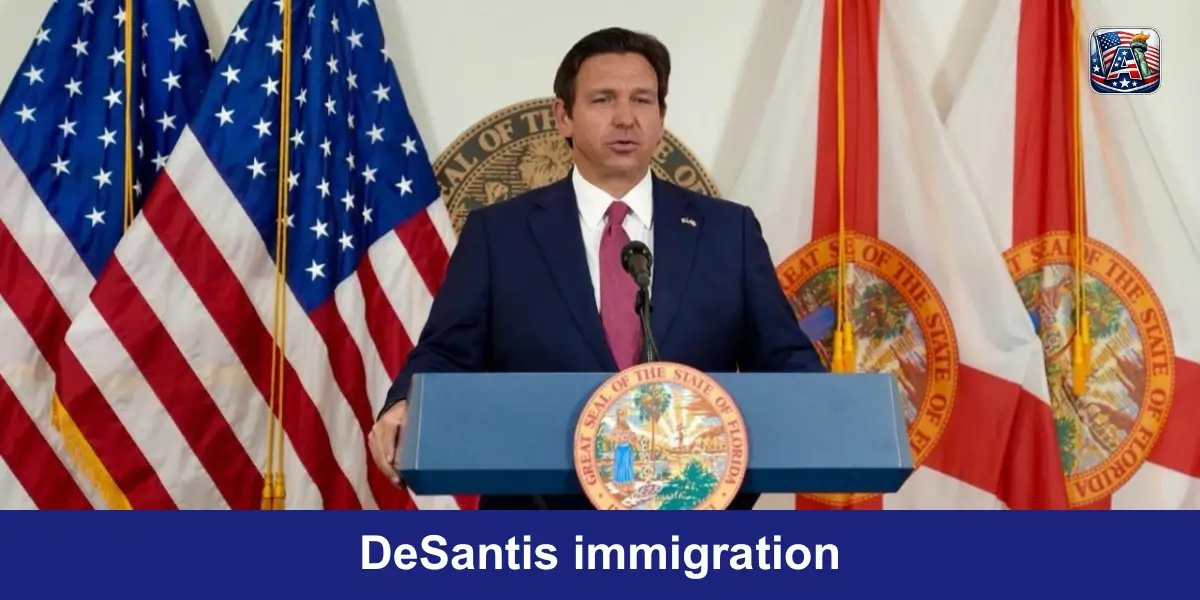
Florida has emerged as one of the most aggressive states in the United States when it comes to immigration policy. Under the leadership of Ron DeSantis, immigration is no longer treated as a distant federal issue. Instead, it has become a central part of how the state governs law enforcement, public institutions, and workforce decisions.
In 2026, Florida’s approach has drawn national attention due to a combination of strict enforcement actions, major financial investment, and controversial policy changes. From large-scale arrest operations to restrictions on employment visas, the state is actively shaping the direction of immigration policy in the country. This article provides a complete breakdown of the latest developments, explains their real-world impact, and explores what may happen next.
Florida’s Immigration Crackdown: A New Phase of Enforcement
One of the most significant developments in Florida’s immigration strategy is the expansion of coordinated enforcement operations between state and federal agencies. Through partnerships with federal authorities, Florida has intensified its role in identifying and detaining individuals who are in the country without legal status.
A major operation often referred to as “Operation Tidal Wave” has reportedly resulted in more than 10,000 arrests since its launch. This effort involves cooperation between local police departments, state agencies, and federal immigration authorities. The scale and coordination of this operation make it one of the largest enforcement efforts seen at the state level in recent years.
The primary focus of these actions has been on individuals with final deportation orders or those accused of serious criminal offenses. Officials argue that this approach is designed to improve public safety while ensuring that immigration laws are enforced more effectively.
The Financial Cost: $573 Million in Immigration Enforcement
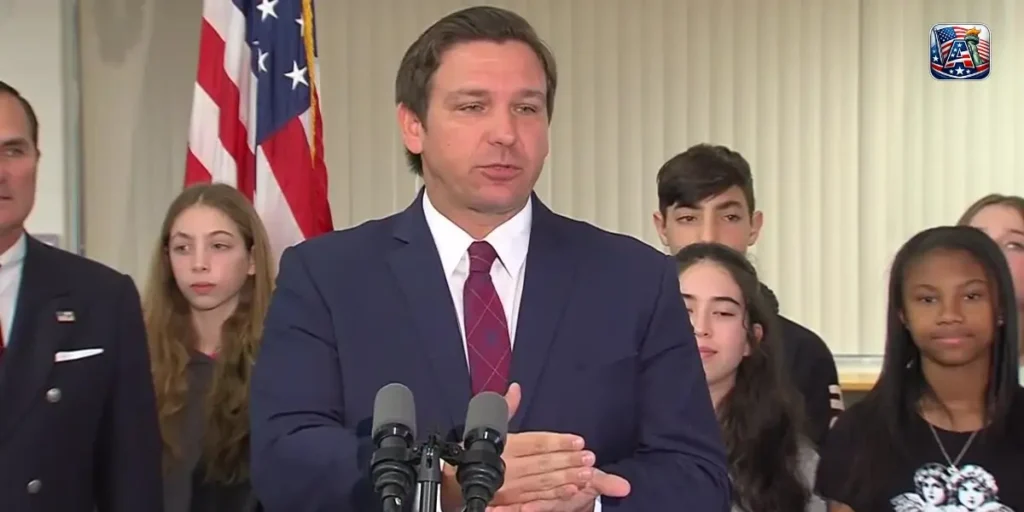
Florida’s immigration policy is not only strict but also expensive. Reports indicate that the state has spent more than $573 million on immigration-related enforcement efforts. This spending covers a wide range of activities, including law enforcement coordination, surveillance systems, detention facilities, and logistical support for large-scale operations.
A key concern raised by critics is that the federal government may not fully reimburse these expenses. If that happens, the financial burden could fall on state taxpayers. This has sparked an ongoing debate about whether such a high level of spending is sustainable in the long term.
Supporters of the policy argue that the cost is justified if it leads to improved public safety and stronger law enforcement. Critics, however, question whether the benefits outweigh the financial and social consequences.
H-1B Visa Restrictions and Their Impact on Universities
In addition to law enforcement measures, Florida has also taken steps to review employment-based immigration, particularly the use of H-1B visas. These visas are commonly used by universities and organizations to hire skilled foreign professionals.
The state has proposed or implemented measures to pause or restrict new H-1B hiring in public universities while officials review how the program is being used. This decision has significant implications for higher education institutions that rely on international talent for research and teaching.
Supporters of the move believe it will help prioritize local workers and ensure fair wage practices. Critics argue that it could harm the quality of education and reduce the ability of universities to compete globally. Many experts warn that limiting access to international talent may have long-term consequences for innovation and research output.
What This Means for Immigrants, Students, and Workers
The real impact of these policies becomes clearer when looking at how they affect different groups of people.
For immigrants, the increased enforcement means a higher risk of detention and deportation. The presence of joint operations and expanded law enforcement authority creates an environment where individuals without clear legal status may face greater uncertainty.
International students are also affected, particularly those who hope to stay and work in the United States after completing their education. Restrictions on H-1B visas could limit their opportunities, making Florida a less attractive destination for higher education.
Skilled workers who depend on employment-based visas may experience reduced job opportunities within the state. As a result, many professionals may choose to move to other states where immigration policies are less restrictive.
Why Florida’s Strategy Stands Out
Florida’s approach is different from many other states because of its close coordination with federal authorities. Rather than acting independently, the state has built a system that allows it to expand its enforcement capabilities through formal agreements and shared responsibilities.
This model enables Florida to play a more active role in immigration enforcement while remaining aligned with federal law. It also allows the state to act more quickly and efficiently compared to states that rely solely on federal action.
Because of these factors, Florida is increasingly being viewed as a model that other states may follow, especially those with similar political priorities.
Support and Criticism: A Divided Response
The response to Florida’s immigration policies has been deeply divided. Supporters argue that the state is taking necessary steps to enforce the law, protect communities, and reduce illegal immigration. They believe that strong enforcement sends a clear message and helps maintain order.
Critics, on the other hand, raise concerns about the broader impact of these policies. They argue that aggressive enforcement may create fear within communities, reduce trust in law enforcement, and negatively affect the economy. Concerns have also been raised about the potential impact on education, particularly in universities that depend on international talent.
This debate reflects a larger national conversation about the role of states in immigration policy and the balance between enforcement and opportunity.
Long-Term Impact: Economy, Education, and Society
Beyond immediate enforcement outcomes, Florida’s immigration strategy may have deeper long-term effects. Economically, industries that rely on immigrant labor or skilled foreign professionals could face challenges in maintaining their workforce.
In the education sector, restrictions on hiring international faculty may reduce research output and limit academic collaboration. Universities could struggle to maintain their global competitiveness if access to talent becomes restricted.
Socially, increased enforcement may lead to changes in how communities interact with law enforcement and government institutions. These effects may take years to fully understand but are likely to shape the future of the state.
What Could Happen Next
Looking ahead, Florida’s immigration policies are likely to continue evolving. If current strategies prove effective in achieving their goals, other states may adopt similar approaches. This could lead to a broader shift in how immigration is handled at the state level across the United States.
At the same time, legal challenges and political debates may influence how these policies develop. Decisions regarding funding, enforcement authority, and visa restrictions will play a key role in shaping the next phase of immigration policy.
Florida’s actions are already influencing the national conversation, and their long-term impact will be closely watched.
Conclusion
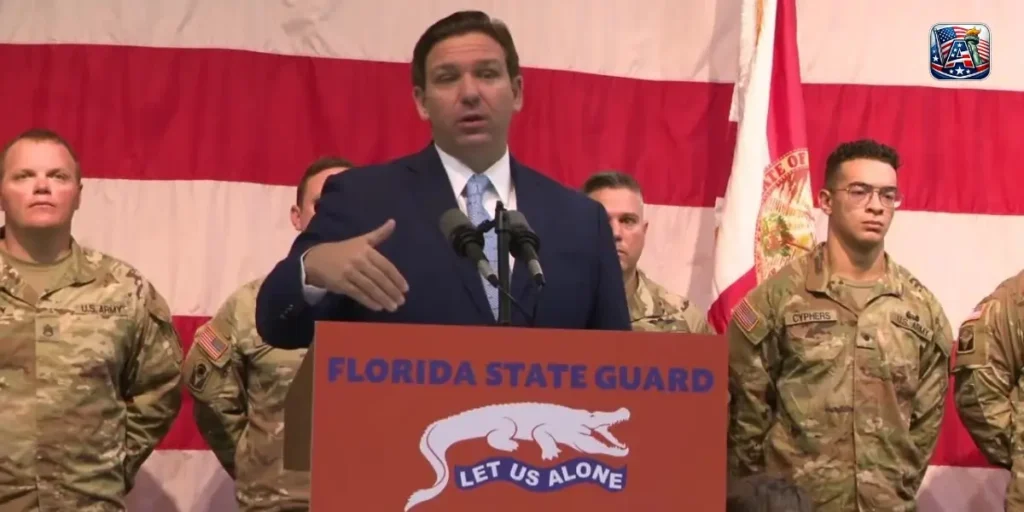
Ron DeSantis has transformed immigration policy in Florida into a central element of state governance. Through large-scale enforcement operations, significant financial investment, and changes to employment-based immigration, the state has taken a leading role in shaping immigration policy in the United States.
While supporters see these measures as necessary and effective, critics warn of potential long-term consequences. What is clear is that Florida’s approach is not just affecting policy but also influencing lives, opportunities, and the future direction of immigration in America.
As the situation continues to develop, Florida will remain a key focus in the ongoing debate over immigration and the role of state authority in addressing it.
FAQs
What is Ron DeSantis immigration policy in 2026?
It refers to Florida’s strict immigration enforcement approach, including cooperation with federal agencies, large-scale arrests, and policy changes affecting workers and students.
What is Operation Tidal Wave in Florida?
Operation Tidal Wave is a coordinated immigration enforcement effort between state and federal authorities that has led to thousands of arrests across Florida.
How many arrests were made under Florida immigration operations?
Reports suggest more than 10,000 arrests have been made as part of joint immigration enforcement operations in Florida.
How much has Florida spent on immigration enforcement?
Florida has reportedly spent over $573 million on immigration-related enforcement, including operations, logistics, and detention support.
What is the impact of Florida’s immigration policy on students?
International students may face fewer job opportunities after graduation due to restrictions on employment-based visas like H-1B.
What changes are happening to H-1B visas in Florida?
Florida is reviewing and potentially restricting H-1B visa hiring in public universities to prioritize local workers and evaluate wage practices.
Who is most affected by Florida’s immigration crackdown?
Immigrants without legal status, international students, and skilled foreign workers are the most affected groups.
Why is Florida’s immigration policy controversial?
It is controversial because supporters see it as strong law enforcement, while critics argue it may harm education, economy, and international talent access.