
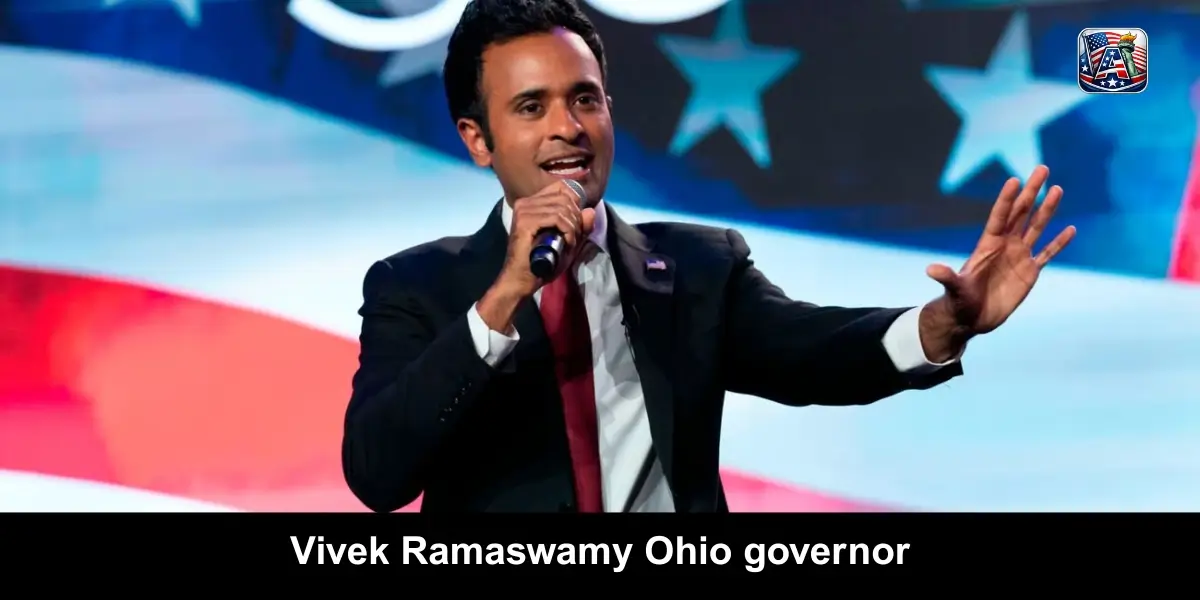
Ohio doesn’t usually grab this much national attention in a governor race. But this time it has. The Vivek Ramaswamy Ohio governor campaign of 2026 changed that almost immediately after it started.
The reason is simple. He is not a typical state politician. He already had national visibility from business and his 2024 presidential run. That changes how voters, media, and even party leaders react to his campaign. Some people see a fresh outsider. Others see someone still new to state-level politics. That tension is shaping the entire race right now.
A quick reality check on Vivek Ramaswamy’s biography
Vivek Ramaswamy built his career in business first. He worked in biotech and launched companies, which helped him get early recognition. Over time, he also became active in public discussions around politics, economics, and culture. His real national visibility came during the 2024 presidential race. He didn’t win, but he became a well-known Republican voice and gained strong support within conservative politics.
Now that background is playing a role in the Vivek Ramaswamy Ohio gubernatorial race. His name is already familiar to many voters, which helps in getting attention. But state politics. Local issues like jobs, education, and daily costs still matter more to voters on the ground.
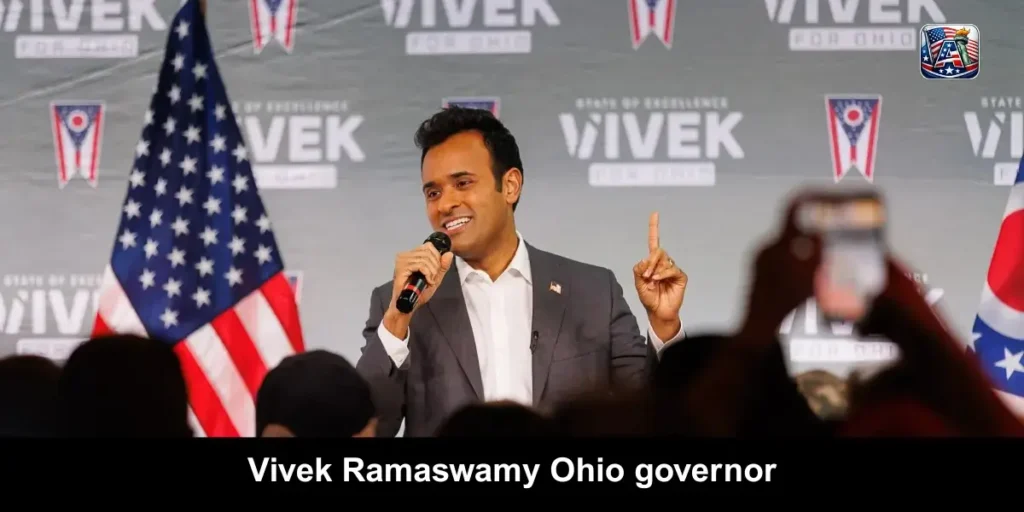
The 2026 governor’s race is getting unusual attention
The Ohio governor election of 2026 is not behaving like a normal state race. Usually, these elections stay local. This one didn’t. The Buckeye State is important because it often reflects how working-class and suburban voters think. That’s why US state elections in 2026 are being watched closely this year.
Now people are asking basic but important questions:
- Who is running for Ohio governor 2026
- Is Ramaswamy really leading the race
- What issues matter most to voters here
These questions are driving daily news updates.
Vivek Ramaswamy campaign update from the ground
The Vivek Ramaswamy campaign update shows a fast-moving operation across the state. He is focusing heavily on cities with strong industrial backgrounds like manufacturing regions and suburban areas.
His message is simple:
- Bring jobs back
- Lower taxes
- Support business growth
- Improve education system
It’s not complicated language. That helps with voter reach. But Ohio voters are not all the same. Urban, suburban, and rural groups think differently.
Why election campaign strategy in the USA is changing
The election campaign strategy in the USA is clearly shifting, and this race shows it.
Instead of only local political networks, campaigns now rely on:
- Social media visibility
- National media interviews
- Digital ads everywhere
- Large rally events
Ramaswamy fits this style naturally because he already has national exposure. But here’s the thing. In this state, local presence. Door-to-door and community engagement still influence turnout.
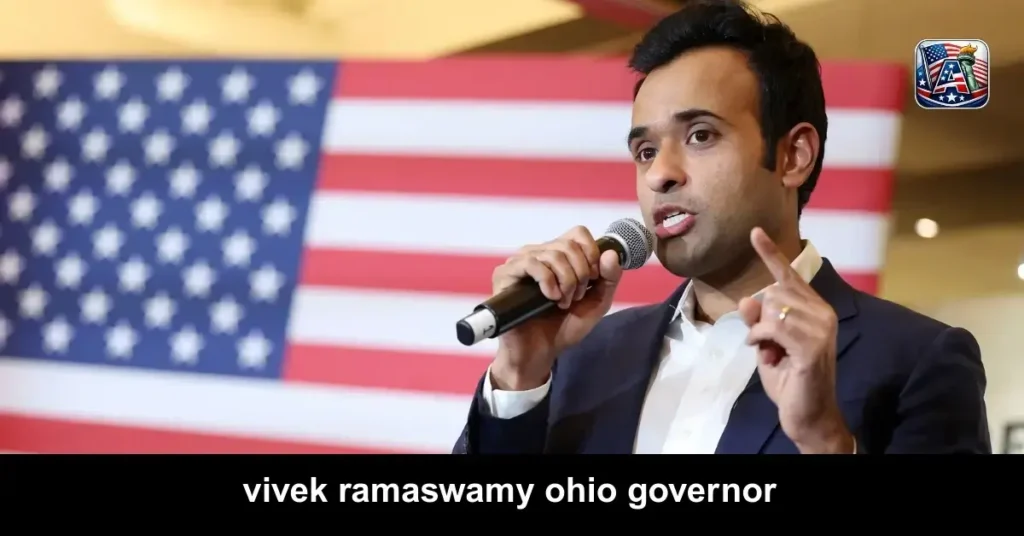
Political fundraising for the Ohio 2026 race is active early
Money is already moving fast in the political fundraising Ohio 2026 race.
His campaign is spending early on:
- TV advertising
- Online campaign ads
- Ground staff
- State travel events
The campaign advertising for the governor’s race is already visible across households statewide. Early spending usually means one thing: both sides expect a tough fight.
Democratic opposition in the Ohio race is building slowly
On the other side, the Democratic opposition Ohio race is led by Amy Action.
Her Amy Acton Ohio campaign focuses more on the following:
- Healthcare access
- School funding
- Cost of living issues
Her strategy is different. Less business talk. More everyday concerns. That creates a clear contrast in the election.
Political polling Ohio 2026 shows a tight race
The political polling Ohio 2026 situation is not stable yet.
Early numbers move up and down depending on:
- Economy concerns
- National political mood
- Candidate visibility
- Debate performances
Right now, no side has full control of the race.
That is why analysts are cautious in predictions.
Vivek Ramaswamy Ohio governor policies explained simply
The Vivek Ramaswamy for Governor policies explained in simple terms focus on the following:
- Lower taxes for businesses and individuals
- Expanding manufacturing jobs
- Education system reform
- Reducing state-level regulation
- Encouraging private investment
Supporters believe this helps job creation. Critics worry about funding for public services. That debate is central to this election.
Why Ohio election 2026 is important nationally
The question of why the Ohio election of 2026 is important nationally is simple. Ohio often shows how middle America is voting.
So this race signals the following:
- Republican voter strength
- Democratic suburban support
- Economic pressure’s impact on voters
That’s why political news USA 2026 coverage is increasing fast.
Political analysis: Ohio governor race perspective
From a political analysis of the Ohio governor race, this is no longer just a state election.
It is a mix of:
- Local governance issues
- National political identity
- Media-driven campaign influence
That combination makes it harder to predict than usual.
Latest USA election updates and trends
The latest USA election updates show one clear shift. State elections are becoming national stories faster than before. This is part of US election trends in 2026. Candidates with national profiles now enter state races and immediately reshape them. Ramaswamy is a clear example of that change.
Ohio political leaders and voter reaction
Ohio has many experienced Ohio political leaders with deep local roots. Ramaswamy comes from outside that system. Some voters see that as a fresh approach. Others see it as a lack of state experience. That divide is real on the ground.
Breaking political news in the USA and voter mood
The breaking political news coverage in the USA around Ohio is increasing week by week.
Voter mood is split:
- Some want change
- Some want stability
- Some are still undecided
That undecided group may decide the election.
Simple comparison view
| Area | Ramaswamy | Democrats |
| Focus | Economy, taxes | Healthcare, education |
| Strength | National profile | Local service message |
| Campaign style | Media + digital | Ground + community |
| Base | GOP voters | Suburban + moderates |
Final thoughts
The Vivek Ramaswamy Ohio gubernatorial campaign of 2026 is still developing. Nothing is fixed yet. The race is open, and Ohio voters are still forming opinions.
What happens next depends on debates, voter turnout, and economic concerns inside the state. For now, it stays one of the most closely watched governor races in the country, and it doesn’t look like that attention will slow down anytime soon.
FAQs
Who is Vivek Ramaswamy in the Ohio governor’s race?
Vivek Ramaswamy is a businessman and political figure running for governor of the Buckeye State in 2026. He gained national attention from his 2024 presidential campaign.
Why is he running for governor?
He says the state needs stronger economic growth, lower taxes, and more business investment. His campaign focuses on jobs and statewide development.
Is he leading the polls?
Early political polling for the race shows things are close. No candidate has a strong long-term lead yet.
What are his main policies?
His platform includes tax cuts, manufacturing growth, education reform, and reducing regulations to support local business growth.
Who is his main opponent in the race?
The Democratic opposition is led by Amy Acton, who focuses on healthcare, education, and cost of living issues.
Why is this governor’s race getting national attention?
Because it’s a key swing state in US politics, and Ramaswamy already has national political recognition.
Did Donald Trump support Vivek Ramaswamy?
Yes, Donald Trump’s endorsement helped boost his campaign among Republican voters and strengthened party support.
What makes this race different?
It’s different because it mixes national politics with state-level issues, making it one of the most watched elections in political news in the USA in 2026.