
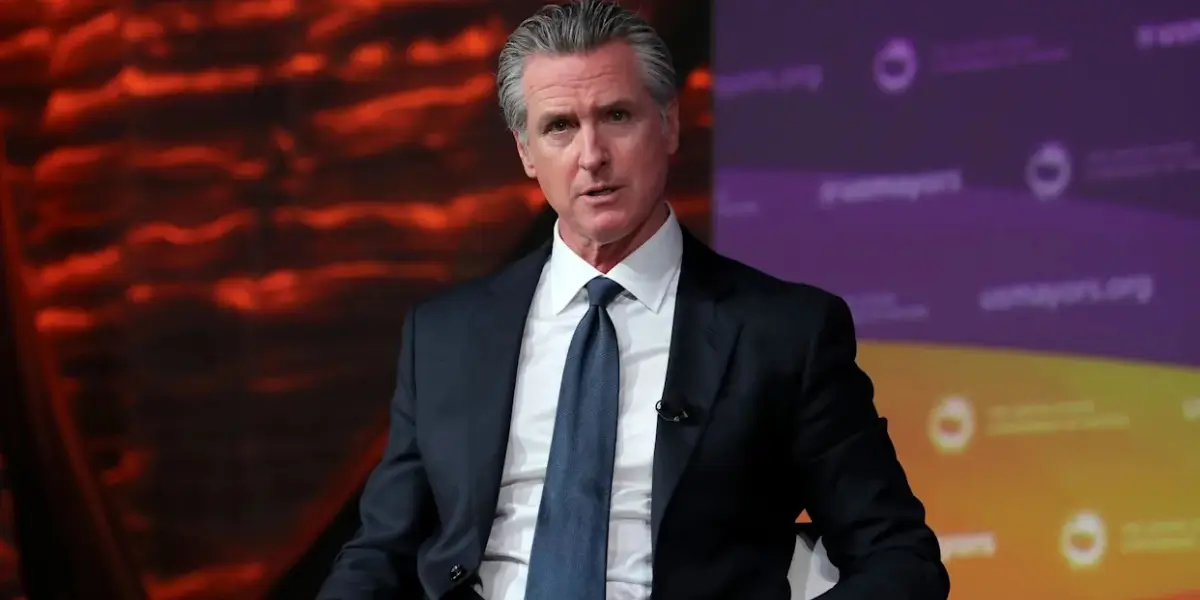
The Gavin Newsom approval rating in 2026 reflects a politically stable but increasingly divided environment in California. Recent polling does not show a collapse in support, but it does highlight a narrowing gap between approval and disapproval as voters respond to economic pressure, housing challenges, and growing national attention on California’s leadership. Across multiple surveys, Newsom remains one of the most closely watched governors in the United States, not only for his role in California politics but also because of his potential influence on future national elections.
Latest Gavin Newsom Approval Rating 2026 Overview
Current polling data across California shows a relatively tight approval structure. Most surveys place approval between the mid-40s and low-50s range, while disapproval generally stays within a similar bracket.
In California:
Approval: approximately 46% to 52%
Disapproval: approximately 47% to 50%
On the national level:
Approval: approximately 38% to 45%
Disapproval: approximately 50% to 55%
California, this clear gap between state and national perception highlights a consistent pattern in the Gavin Newsom approval rating in California, wherein in-state voters remain more favorable compared to national audiences.
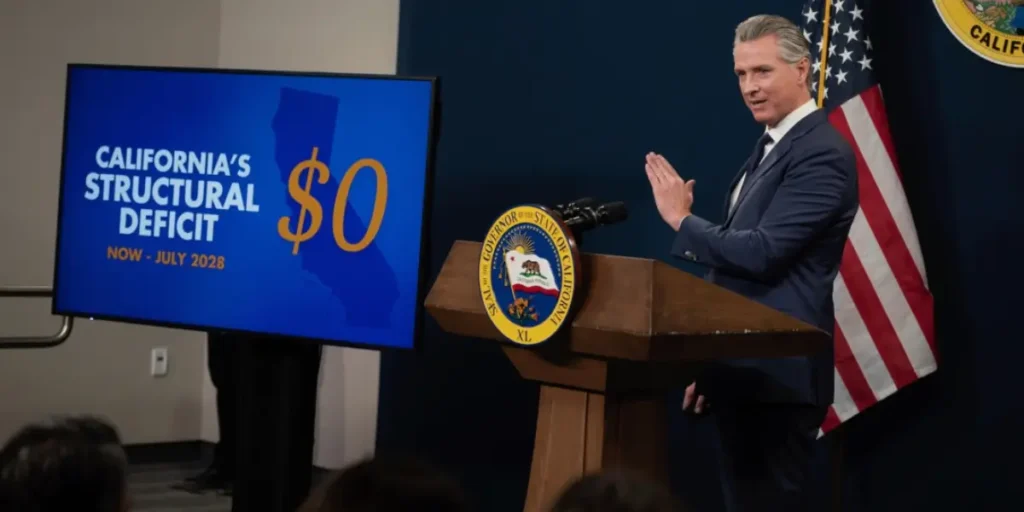
Why the Polling Gap Is Tightening in 2026
The tightening approval gap is not driven by a single event but by a combination of long-term structural pressures in California. One of the most influential factors is the cost of living. Housing affordability continues to dominate voter concerns, particularly in major metropolitan areas where rent and property prices remain significantly above the national average.
At the same time, inflation pressure and everyday expenses have made economic performance a central issue for voters. Another major factor is Newsom’s increasing national visibility. As his political profile rises outside California, voter responses become more polarized, especially among ideological groups.
Independent voters remain the most volatile segment, shifting their support depending on economic conditions and political messaging.
Methodology Behind Political Polls
on the following: Understanding the Gavin Newsom approval rating requires looking at how polling is conducted. Most approval ratings are based on samples of registered or likely voters, typically ranging from 800 to 2,000 respondents. These samples are then weighted based on the following:
- Age distribution
- Political party identification
- Ethnicity
- Education level
- Geographic region
Most polls also include a margin of error between ±3% and ±4%, meaning small changes often appear larger than they actually are.
This is important because short-term fluctuations can sometimes reflect statistical variation rather than real political movement.
Demographic Breakdown of Voter Sentiment
A deeper look into voter groups reveals why the approval rating remains tight rather than shifting dramatically. Among Democrats, approval remains very strong, often between 75% and 85%. Republicans, however, remain highly critical, with approval typically ranging between 10% and 20%. The most important group is independent voters, who generally fall between 42% and 48% approval depending on economic conditions.
Age also plays a significant role. Younger voters tend to be more supportive, particularly on climate and education policies. Middle-aged voters are more critical, especially regarding housing costs and taxes. Older voters tend to focus more on stability and cost-of-living concerns.
Regional Divide Within California
California’s internal political geography plays a major role in shaping overall approval trends. Urban regions such as Los Angeles, San Francisco, and San Diego generally show higher approval ratings due to alignment with progressive policies and economic priorities.
Suburban areas are more divided, often reacting strongly to housing affordability, taxation, and public safety concerns. Rural regions tend to show lower approval levels, reflecting different economic priorities and policy preferences. This geographic divide is a
Key Issues Driving Approval in 2026
Several major policy areas continue to shape public opinion. Housing affordability remains the most significant issue, with rising rent prices and limited housing supply continuing to influence voter sentiment. Wildfire management and climate policy also affect public perception, especially in regions directly impacted by environmental disasters.
Tax policy and business conditions remain another important factor, particularly among middle-income and business-oriented voters. Homelessness in major cities continues to be a visible issue influencing public confidence in state leadership.
Approval Rating Trend from 2024 to 2026
The long-term trend shows gradual tightening rather than sudden decline. In 2024, approval generally ranged between 48% and 55%, with relatively stronger public confidence. In 2025, independent voter shifts became more visible, narrowing approval closer to the 47% to 52% range.
By 2026, approval and disapproval levels are closely matched, typically staying within a narrow band depending on the poll source. This reflects a stable but highly polarized political environment rather than a downward collapse.
Polling Differences Across Major Sources
Different polling organizations often report slightly different results due to methodology variations. California-focused surveys such as PPIC tend to show stronger in-state approval, often around 48% to 52%.
National polls, including CNN-based samples, typically show lower approval in the 40% to 45% range.
Aggregated averages from sources like RealClearPolitics tend to smooth out these differences, placing overall approval in a mid-range stability zone. This is why the Gavin Newsom approval rating real-clear-politics average is often considered a more balanced indicator.

Issue-Based Support vs Overall Performance
One important factor often missed in general analysis is that voters separate policy approval from overall job performance. Newsom tends to perform strongly on climate-related initiatives and moderate on healthcare perception.
However, housing affordability and homelessness consistently drag down overall approval. This creates a situation where voters may support individual policies but still rate overall performance less favorably.
Favorability vs Poll Rating
Favorability ratings and approval ratings are closely related but not identical. Favorability measures personal perception, while approval measures job performance.
Newsom’s favorability typically ranges between 44% and 50%, while approval remains slightly higher in some state-level surveys. This gap indicates that voters may view him more positively as a person than as an executive decision-maker.
Independent Voters as the Key Swing Factor
Independent voters continue to be the most influential group in shaping the Gavin Newsom approval rating. Their responses are highly sensitive to economic changes, especially inflation and housing costs. Even small shifts of 2% to 3% within this group can significantly alter overall polling averages.
Comparison With National Political Figures
When compared to national leaders such as the U.S. president, Newsom’s approval pattern is more stable but similarly polarized. Unlike national figures who often experience wider approval swings, Newsom tends to remain within a narrower band of 45% to 52%. This suggests a more consistent voter base but also persistent ideological division.

Reelection and Political Standing Outlook
The Gavin Newsom reelection approval rating remains within a historically stable range for governors in large states. While approval is not overwhelmingly high, it remains sufficient to maintain competitive political standing. At the same time, Newsom’s national visibility continues to grow, fueling discussion about his long-term political ambitions beyond California.
Final Analysis
The Gavin Newsom approval rating in 2026 reflects a politically divided but structurally stable environment. There is no dramatic decline, but there is a clear tightening between approval and disapproval levels. Key drivers remain economic pressure, housing affordability, and voter perception of state governance.
Independent voters continue to decide the balance, making small shifts highly influential. Overall, Newsom’s approval trend represents steady polarization rather than political instability, shaped by long-term economic and social challenges in California.
FAQs
What is Gavin Newsom’s current poll rating in 2026?
In 2026, Gavin Newsom’s polling numbers generally range between 46% and 52% in California surveys, while national polls show lower support around 38% to 45% depending on the source.
Why is Gavin Newsom’s polling gap tightening in 2026?\
The gap is tightening mainly due to economic pressure, especially housing costs, inflation, and cost of living issues in California. These factors are shaping voter sentiment more than short-term political events.
Are Gavin Newsom’s poll numbers falling?
No major collapse is visible. Instead, the trend shows stability with a narrowing gap between support and disapproval, meaning voter opinion is becoming more balanced and polarized rather than declining sharply.
How do California voters differ from national voters in Newsom’s poll standing?
California voters generally show higher support because they directly experience state policies, while national voters are more critical, often showing lower numbers due to broader political polarization.
Which voter group matters most for Gavin Newsom’s overall poll standing?
Independent voters are the most important group. Their support usually falls between 42% and 48%, and even small changes in this group significantly impact overall polling numbers.
What issues affect Gavin Newsom’s poll numbers the most?
The biggest issues influencing public support are housing affordability, cost of living, homelessness, wildfire management, and state tax policies.
How have Gavin Newsom’s poll numbers changed from 2024 to 2026?
In 2024, public support was slightly stronger at around 48%–55%. By 2025 and 2026, the gap narrowed, with numbers stabilizing in the mid-40s to low-50s range, showing gradual tightening rather than decline.
Does Gavin Newsom’s poll standing affect his 2028 presidential chances?
Yes, it plays a role. A stable but divided poll standing keeps him in national discussion as a potential candidate, but broader national perception and independent voter support will be critical for any future presidential run.