
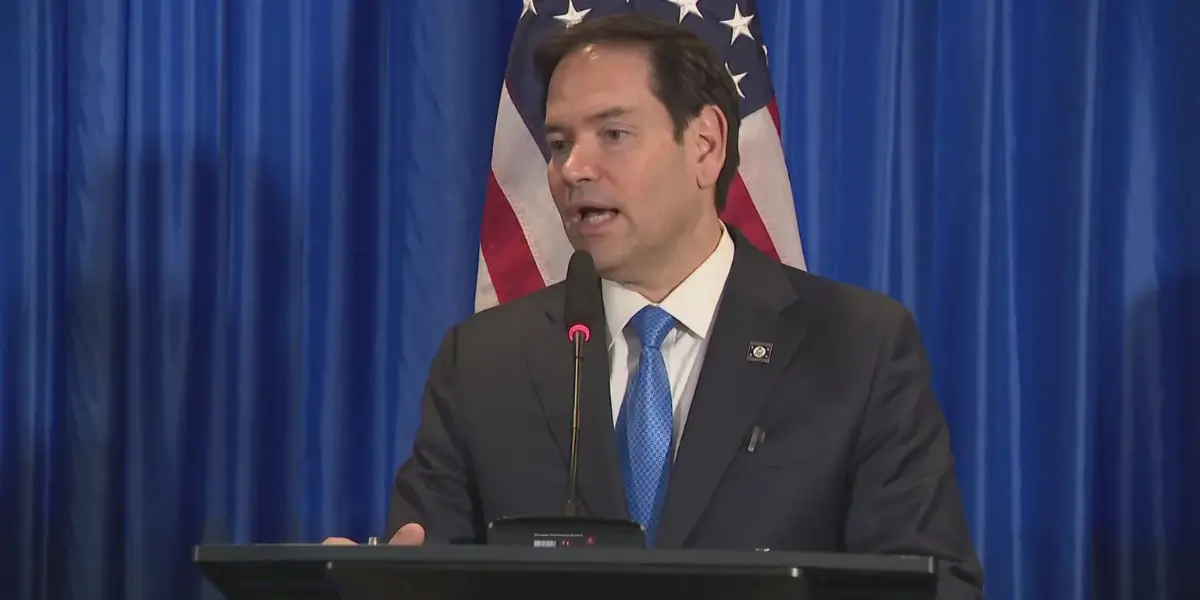
The discussion around Marco Rubio Venezuela Deportations 2026 has become one of the most sensitive immigration topics in the United States. It sits at the intersection of immigration enforcement, foreign policy toward Venezuela, and humanitarian protection programs such as Temporary Protected Status (TPS) and asylum. In 2026, thousands of Venezuelan migrants living in the United States are facing uncertainty about their legal future.
While many are currently protected under temporary programs, ongoing political debates, court cases, and policy reviews have raised questions about whether these protections will continue or change in the near future. Because Marco Rubio has long been associated with Venezuela-related policy discussions and represents Florida’s large Venezuelan-American population, his name is frequently connected to this national debate.
Venezuela Crisis and the Root of Mass Migration
The foundation of the Marco Rubio Venezuela Deportations 2026 issue is the long-standing crisis in Venezuela. Over the past decade, the country has experienced severe economic collapse, political instability, and widespread shortages of essential goods such as food, medicine, and basic services.
These conditions forced millions of Venezuelans to leave their homeland in search of safety and stability. Many first moved to neighboring countries in Latin America, while others eventually made their way to the United States.
This large-scale migration has become one of the most significant humanitarian displacement situations in recent modern history and continues to influence U.S. immigration policy decisions in 2026.
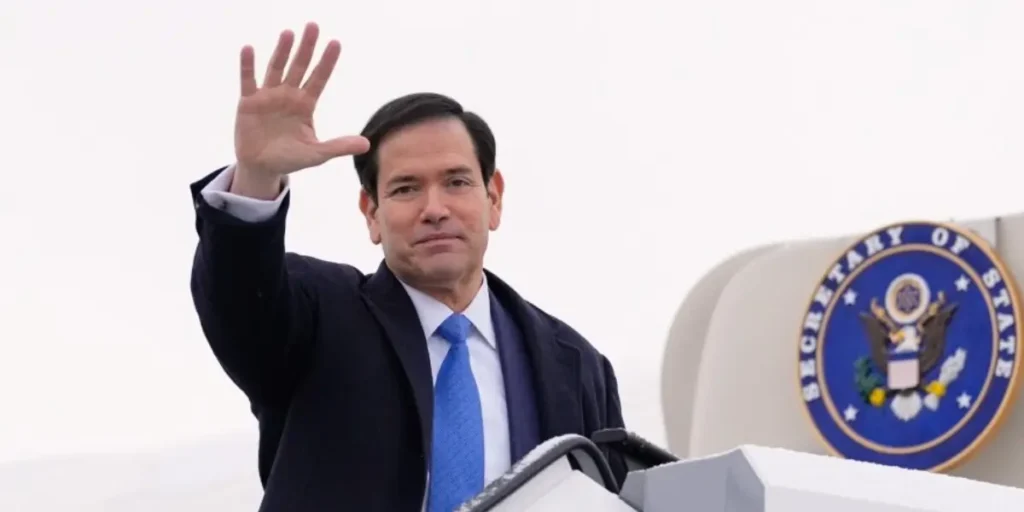
Venezuelan Migrants in the United States
Once in the United States, Venezuelan migrants have followed different legal pathways depending on their circumstances. Many applied for asylum, others entered under humanitarian parole programs, and a large portion rely on Temporary Protected Status (TPS) for legal stay and work authorization.
Over time, many Venezuelans have become deeply integrated into American society. They work in healthcare, construction, hospitality, logistics, and service industries. They also pay taxes, send their children to schools, and build long-term community ties. Because of this level of settlement, any discussion about Marco Rubio Venezuela Deportations 2026 affects not just recent arrivals but established families who have lived in the United States for years.
Temporary Protected Status and Its Importance
Temporary Protected Status (TPS) is one of the most important elements in understanding the Marco Rubio Venezuela Deportations 2026 debate. TPS is a humanitarian immigration program that allows eligible individuals from countries experiencing crisis to live and work legally in the United States.
For Venezuelans, TPS has provided temporary stability, allowing families to avoid deportation while their home country remains in crisis. However, TPS is not a permanent immigration status. It is periodically reviewed by the U.S. government, and its continuation depends on conditions in Venezuela.
This creates uncertainty because any decision to reduce or terminate TPS could directly affect thousands of Venezuelan migrants and potentially place them into deportation proceedings.
Marco Rubio’s Role in Immigration and Venezuela Policy
Marco Rubio has been involved in U.S. discussions about Venezuela for many years. His role in the Marco Rubio Venezuela Deportations 2026 conversation comes from both foreign policy positions and immigration enforcement debates.
He has consistently taken a strong stance against the Venezuelan government and has supported democratic transition efforts in the country. At the same time, he has also supported stricter immigration enforcement policies within the United States.
Because Rubio represents Florida, a state with one of the largest Venezuelan populations in the country, his political influence is closely watched. His statements and policy positions often become part of broader national immigration discussions, especially regarding Venezuelan migrants and TPS-related decisions.
Florida Political Pressure and Community Influence
Florida plays a critical role in shaping the Marco Rubio Venezuela Deportations 2026 debate. Cities such as Miami have large Venezuelan communities that are deeply involved in both economic and political life.
This community influences immigration policy discussions through voter participation, public advocacy, and economic contribution. Many Venezuelan-Americans strongly support continued TPS protections due to ongoing instability in Venezuela, while also engaging in broader U.S. political debates.
Because of this, immigration policy decisions are not only federal issues but also politically sensitive state-level concerns, particularly in Florida.
Rising Concerns in 2026
Concerns around Marco Rubio Venezuela Deportations 2026 have increased due to ongoing immigration policy reviews, court cases involving deportation authority, and debates over border security enforcement.
The uncertainty surrounding TPS renewals and asylum processing delays has created anxiety among Venezuelan families living in the United States. While some migrants remain protected under current programs, others fear that policy changes could alter their legal status in the near future.
Deportation Risk and Legal Status
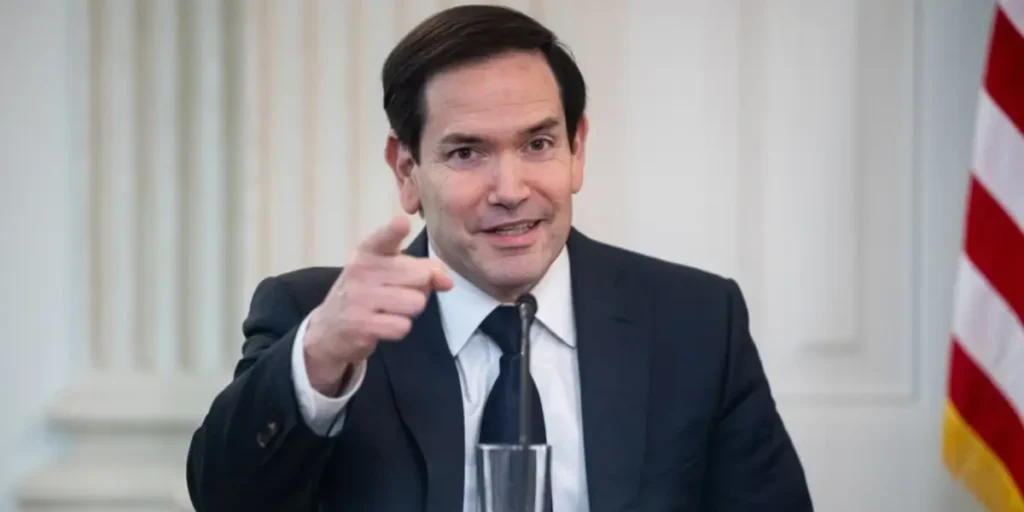
Whether Venezuelans can be deported in 2026 depends entirely on individual legal circumstances. In general, migrants with active TPS or approved asylum cases are not immediately at risk. However, those without valid legal protection or whose applications are denied may become subject to immigration court proceedings.
Deportation decisions are influenced by federal enforcement priorities, immigration court rulings, and eligibility under humanitarian protection programs. This makes the situation highly case-specific rather than uniform for all Venezuelan migrants.
Role of DHS and Immigration Enforcement
The Department of Homeland Security (DHS) plays a central role in implementing immigration policy related to the Marco Rubio Venezuela Deportations 2026 issue. DHS oversees deportation enforcement, TPS administration, asylum processing, and border security operations.
Any changes in DHS policy or enforcement priorities can directly affect Venezuelan migrants. This includes decisions on how strictly immigration laws are enforced and how humanitarian programs are administered.
TPS Extension and Termination Debate
A key issue in 2026 is whether TPS for Venezuelans should be extended or terminated. Supporters of termination argue that TPS is meant to be temporary and should not become a long-term immigration solution. They also emphasize the need for consistent enforcement of immigration laws.
On the other hand, supporters of extension argue that Venezuela continues to face serious instability and that returning migrants would not be safe. They also highlight that many Venezuelans have built stable lives in the United States and would face severe hardship if protections were removed. This ongoing debate remains central to the Marco Rubio Venezuela Deportations 2026 discussion.
Asylum System and Legal Challenges
Many Venezuelans are also applying for asylum, which adds another layer of complexity to the situation. Asylum requires individuals to prove that they face persecution or serious threats if returned to their home country.
However, the asylum system in the United States is facing significant challenges, including long processing delays, court backlogs, and limited administrative capacity. As a result, many applicants remain in legal uncertainty for extended periods while waiting for decisions.
Immigration Courts and Legal Process
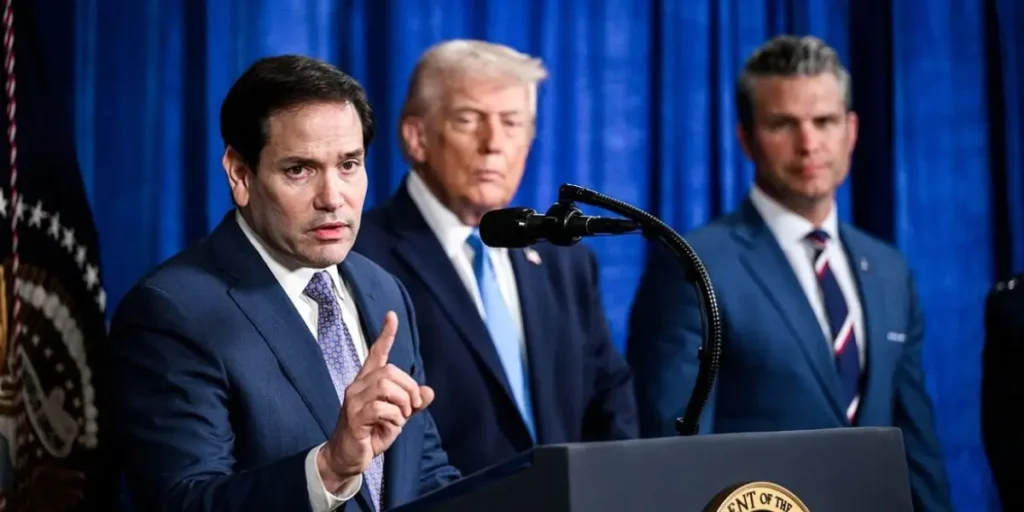
Immigration courts play an essential role in determining outcomes related to the Marco Rubio Venezuela Deportations 2026 issue. The legal process typically involves removal hearings, presentation of evidence, judicial decisions, and possible appeals.
While this system ensures due process, it often takes a long time to resolve individual cases, contributing to uncertainty for migrants and their families.
Economic Contribution of Venezuelan Migrants
Venezuelan migrants contribute significantly to the U.S. economy. They work across multiple sectors, including healthcare, construction, hospitality, logistics, and retail. Many also support local businesses and help fill labor shortages in essential industries.
Their economic contribution is an important factor in discussions about immigration policy, as any large-scale change in legal status could impact both workers and employers.
Human Impact and Social Reality
Beyond legal and political discussions, the Marco Rubio Venezuela Deportations 2026 issue has a deeply human impact. Many Venezuelan families in the United States have lived in the country for years, built stable homes, and raised children in American schools.
Uncertainty about immigration status creates emotional stress, financial pressure, and fear of family separation. This human dimension is one of the most important aspects of the ongoing debate.
Future Outlook for 2026
The future of Marco Rubio Venezuela Deportations 2026 will depend on several factors, including government policy decisions, court rulings, and immigration enforcement priorities. If TPS is extended, most Venezuelan migrants will continue living and working legally in the United States.
If it is reduced or terminated, some individuals may face legal proceedings and possible deportation review. At this stage, the situation remains fluid, and no final direction has been established.
Conclusion
The issue of Marco Rubio Venezuela Deportations 2026 represents a complex intersection of immigration law, foreign policy, humanitarian protection, and political debate. While current programs like TPS and asylum provide temporary protection for many Venezuelans, ongoing policy discussions and legal decisions will determine their long-term future in the United States.
As 2026 progresses, this issue remains one of the most important and closely watched immigration topics in American politics, directly affecting thousands of families and communities across the country.
FAQs
What is Marco Rubio Venezuela Deportations 2026?
It refers to the ongoing immigration debate in 2026 about whether Venezuelan migrants in the United States could face deportation changes due to policy updates, TPS decisions, and enforcement priorities, with Marco Rubio often linked to the discussion because of his immigration and Venezuela-related stance.
Can Venezuelans be deported from the United States in 2026?
Yes, but it depends on individual immigration status. Venezuelans with TPS or approved asylum are generally protected, while those without legal status or whose applications are denied may face deportation proceedings.
What is Temporary Protected Status (TPS) for Venezuelans?
TPS is a U.S. immigration program that allows eligible Venezuelans to live and work legally in the country temporarily due to unsafe conditions in Venezuela. It does not provide permanent residency.
Why is TPS important in the Marco Rubio Venezuela Deportations 2026 debate?
TPS is central because any extension or termination directly affects whether Venezuelan migrants can stay legally in the U.S. If TPS ends, many individuals could become vulnerable to deportation.
What role does Marco Rubio play in Venezuela immigration policy?
Marco Rubio is a U.S. senator from Florida who has long supported strong action against the Venezuelan government and stricter immigration enforcement policies, making his name part of the broader immigration debate.
What happens if TPS for Venezuelans is terminated?
If TPS is terminated, affected Venezuelans could lose work authorization and legal protection, which may lead to immigration court proceedings and possible deportation depending on their individual cases.
Are Venezuelan asylum seekers safe from deportation?
Asylum seekers are generally protected while their cases are pending, but final decisions depend on immigration courts. If asylum is denied, individuals may face removal proceedings.
Why is Venezuelan deportation policy a major issue in 2026?
It is a major issue due to ongoing U.S. immigration reforms, court cases, TPS reviews, political debates, and the large Venezuelan community living in the United States, especially in states like Florida.