

When I talk about GLP-1 Obesity Drug News Today, I’m not guessing. I look at real updates, FDA moves, clinical research, and new treatments hitting the U.S. market. This field is shifting fast. Drugs that were once cutting‑edge weeks ago are now older news. And what’s coming could change how doctors treat weight and metabolic health. I’ve been watching this space for years — watching trends, reading trials, listening to experts — and it’s more interesting now than ever.
Let’s walk through the most relevant news, what it means for people who are curious about GLP‑1 weight loss drugs, and how this could affect costs, availability, side effects, and what doctors are telling patients.
GLP-1 Obesity Drug News Today-What’s Actually Going On Right Now
If you’ve been keeping an eye on GLP‑1 Obesity Drug News Today, you probably feel it too. Things don’t slow down. One update comes in, then another right after. A new approval here. A fresh study there. Then suddenly everyone is talking about pricing again. It just keeps going.
I didn’t get into this space overnight. Been watching it for a while. Reading reports late at night. Skimming through trial data. Listening to what doctors actually say, not just headlines. And I’ll be honest… this shift feels different from what we used to see with weight loss trends.
These drugs—semaglutide, tirzepatide, others like them—weren’t even meant for weight loss at first. They were built for diabetes. That’s the base of it. Then people started noticing something. The weight drop wasn’t small. It was real. Noticeable. Enough to make doctors pay attention.
What GLP‑1 Drugs Are and Why They Matter
GLP‑1 receptor agonists help with hunger and blood sugar. They mimic a hormone the gut makes after we eat. This tells the brain that you are full and slows digestion. That’s why GLP‑1 weight loss drugs became so popular. They don’t just hit metabolism. They hit appetite too. That’s a big part of the success people see.
The devices that deliver these drugs were originally made for diabetes. People taking them noticed they also lost weight — a lot of weight. That’s how a new class of diabetes drugs for obesity came to be. Injectables like Ozempic, Wegovy and Mounjaro were the main options for years. Then pills came. That changed everything.

FDA Approvals: New Pills, New Options
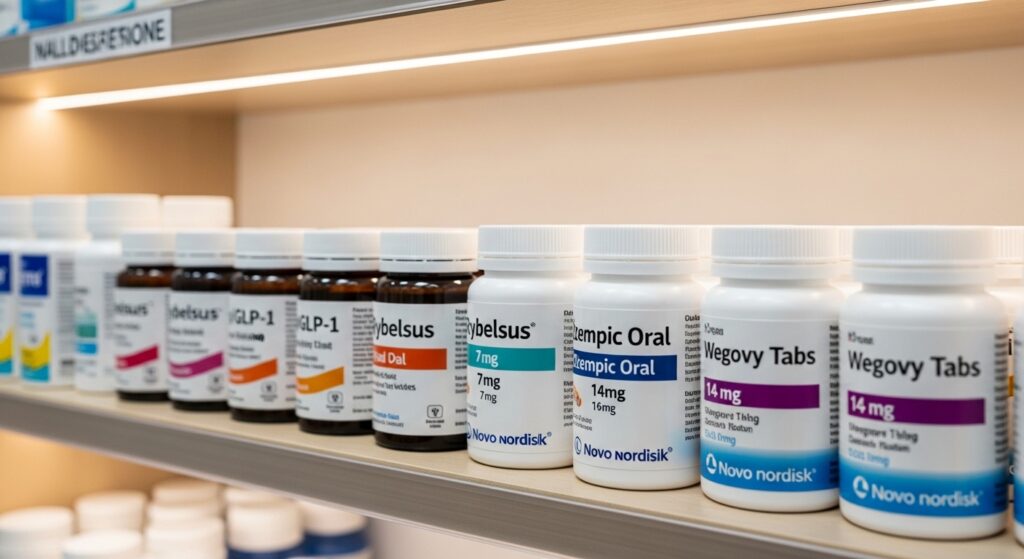
The biggest news right now is that oral pills are jumping center stage. The FDA approved a second oral GLP‑1 pill called Foundayo from Eli Lilly. Doctors can now prescribe it for weight loss, and it doesn’t need an injection. That matters for people afraid of needles or who want a simple daily routine.
And this isn’t just an idea — the pills are shipping now. Some plans list it between roughly $25 and $349 a month. That wide range depends on insurance, dose, and savings programs.
Before Foundayo, the first oral GLP‑1 pill was the Wegovy pill — a daily semaglutide tablet approved in late 2025. It was a big deal because it expanded access. Pills can be easier for many than weekly shots. Both pills work on the same gut hormone system as the injectables, just in a different form.
The Latest Trends in Weight Loss Medications 2026
This year feels like a turning point.
More Choices in the Market
There are more GLP‑1 pills now than ever before. Almost every major drugmaker is racing to get an oral version approved. Early use data suggests many people are choosing pills even if they never tried injectables.
Stronger Weight Loss Signals
Clinical studies show the newer, higher‑strength versions of semaglutide — especially in doses like Wegovy HD — produce more weight reduction than older formulations. Some trials reported big drops in body weight over time.
Real Cost and Coverage Shifts
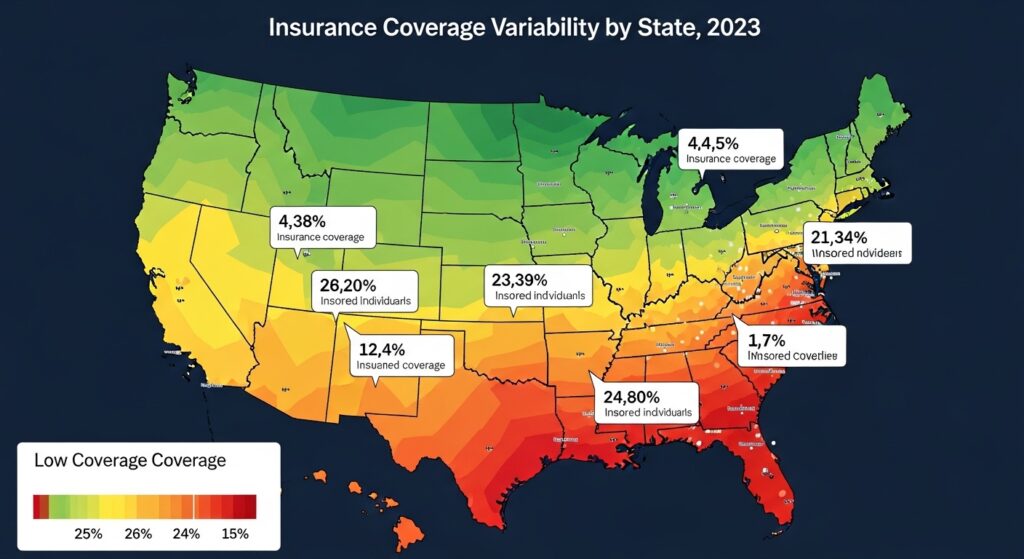
Deals between the government and drug makers to lower prices have made headlines over the past year. Some plans expanded coverage or started paying for these drugs more often. That helps more people get access. (There’s still variation by plan and state.)
How These Drugs Compare: Pills vs Injections vs Older Options
Let’s break this down simply.
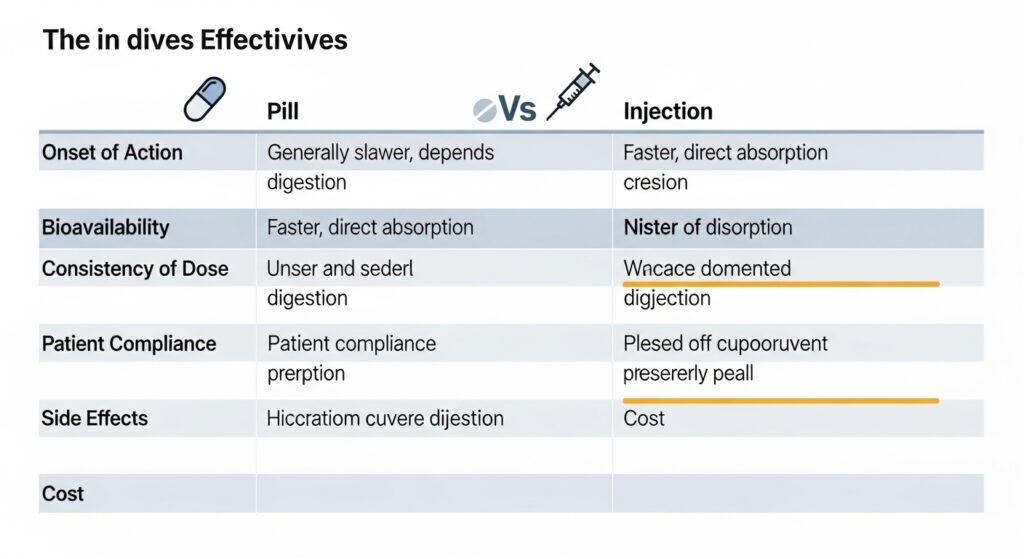
Pills vs Injectables
- Pills are easier to take for a lot of people.
- Some pills can be taken with food or any time of day.
- Shots still may produce stronger weight loss for many patients.
- Pills lower the barrier for people who hate needles.
GLP‑1 vs Other Weight Loss Drugs
Current data shows that drugs like tirzepatide (Zepbound) and high‑dose semaglutide options often produce more loss than traditional older drugs. That’s why they are now leading treatment.
What Trials and Real‑World Results Are Showing
The science keeps evolving.
Clinical Results
Many Phase 3 studies show meaningful weight loss with daily oral pills and weekly injections. Some of the new formulations produce average weight losses above what older options delivered.
But real world results can differ. A big study from Cleveland Clinic found that patients in everyday clinical settings don’t always lose as much weight as they did in controlled trials, often because of dose changes or stopping treatment early. Still, even smaller losses can have real health benefits like improved blood sugar and blood pressure.
Side Effects and Safety Concerns
GLP‑1 side effects are common, but not always serious. People often report nausea, vomiting, diarrhea, or constipation. These are usually worst at the start. Some online communities and research suggest there may be patterns of side effects beyond what trials show, like temperature shifts or menstrual changes, but these are early observations needing more study.
Doctors also watch for rarer issues like gallbladder problems or pancreatitis. Important point: pills can cause side effects similar to injectables. It’s not easier just because there’s no needle.
Costs, Insurance, Shortages, and Access
Cost is a big deal.
Price Bars and Insurance
Some people get coverage that brings monthly cost down to the $25–$50 range. Others without coverage can see costs jump over $300. This wide range can make treatment much easier or much harder to afford.
Medicare coverage of obesity drugs is still limited but pushing forward with new programs and negotiations. Some pilot programs aim to make more GLP‑1 drugs covered.
Availability and Shortages
Earlier in 2025 and 2026, shortages slowed some prescriptions. Many of those shortages are now cleared. That improved access. Still, some states reacted differently with coverage rules for Medicaid programs, making access uneven across the country.
Long‑Term Effects and Why This Matters
We are learning more about GLP‑1 long term effects every year. Experts increasingly view obesity as a chronic disease, not a short‑term problem that one pill can fix forever. This fits new guidelines from groups like WHO that suggest using GLP‑1 drugs alongside diet and activity changes for lasting benefits. People who stop GLP‑1 treatment sometimes regain weight. That’s why doctors discuss maintenance and lifestyle changes, not just pills.
Upside: What Patients Are Experiencing
Real reports from users show many people finally seeing shifts in appetite and weight after years of struggling. For some, oral pills opened a door they never walked through before. Others use these drugs as part of a broader plan of eating habits and exercise, which seems to help hold weight loss longer.
Tables That Matter Right Now
Here’s a simple table to compare older and newer options:
| Drug or Form | Route | Typical Weight Loss | Notes |
|---|---|---|---|
| Wegovy (injection) | Weekly | ~15–21% | Semaglutide |
| Wegovy Pill | Daily | ~14–17% | Oral semaglutide |
| Foundayo Pill | Daily | ~11–12% | Oral GLP‑1 |
| Zepbound (tirzepatide) | Weekly | ~20–22% | Dual hormone |
This isn’t perfect for everyone, but it helps visualize trends.
GLP‑1 Benefits and Risks Side‑By‑Side
- Benefits: appetite control, weight loss, blood sugar help.
- Risks: GI side effects, cost, insurance challenges, weight regain after stopping.
GLP‑1 Success Rate: What We See
Success isn’t always identical for everyone. Some people lose a lot. Some lose a little. Some get tired of side effects early. But many patients report enough progress that their overall health improves.
Tirzepatide drugs generally show slightly higher average reductions. Older semaglutide formulations are close behind. Pills may produce slightly less than injections — but they are easier for many people to take.
GLP‑1 Global Market Trends
The U.S. is not the only place this is happening. Globally, more countries are updating rules to treat obesity with GLP‑1 therapies. More competition is driving more research into even newer drugs.
Best GLP‑1 Drugs for Weight Loss (Right Now)
Based on recent data:
- Zepbound or Mounjaro – strong results
- Wegovy injection – well studied
- Wegovy pill – good daily option
- Foundayo – simpler but slightly smaller average loss
Different people, different needs.
FAQs
1. Do GLP‑1 pills work as well as injections?
They work, but injections often produce stronger weight loss.
2. Will insurance cover these drugs?
Some plans do; many people still pay out of pocket. Prices vary.
3. Are side effects common?
Yes. Nausea and stomach issues are most common.
4. Can people regain weight after stopping treatment?
Yes, weight often returns without ongoing support.
5. Are GLP‑1 drugs safe long term?
We have good short‑term safety data; long‑term research continues.