

Jail OJ Simpson
The story of Jail OJ Simpson continues to captivate the world decades after his infamous trials. From his rise as an NFL superstar to the shocking murders of Nicole Brown Simpson and Ron Goldman, and later his controversial Las Vegas robbery case, Simpson’s life has been a whirlwind of fame, crime, and legal drama. In this article, we bring you the latest news and updates on Jail OJ Simpson, exploring his prison years, parole, civil lawsuits, and the lasting impact his life has had on American culture and media. Whether you’re a true crime enthusiast or a fan of sports history, this comprehensive timeline and insider insights will give you a full picture of one of America’s most infamous figures.
Early Life and Football Stardom
O.J. Simpson was born on July 9, 1947, in San Francisco, California. Raised by a single mother in a working-class neighborhood, he quickly discovered a talent for sports. Football became his primary focus in high school, and his skill earned him a scholarship to the University of Southern California (USC). At USC, Simpson excelled as a running back, eventually winning the prestigious Heisman Trophy in 1968.
His college career paved the way for him to be drafted first overall by the Buffalo Bills in 1969, launching a legendary NFL career that included six Pro Bowl selections and a milestone 2,000-yard season in just 14 games.
Hollywood Fame and Brand Recognition
Simpson’s charisma and looks helped him transition into Hollywood. He appeared in major films like The Towering Inferno and Roots, and became widely loved for his comedic timing in The Naked Gun trilogy. Beyond acting, he endorsed brands like Royal Crown Cola, Hertz, and Chevrolet. His fame in both sports and entertainment made him one of the most recognizable figures in the country, which only intensified the public fascination with his personal and legal troubles.
Domestic Issues Before 1994
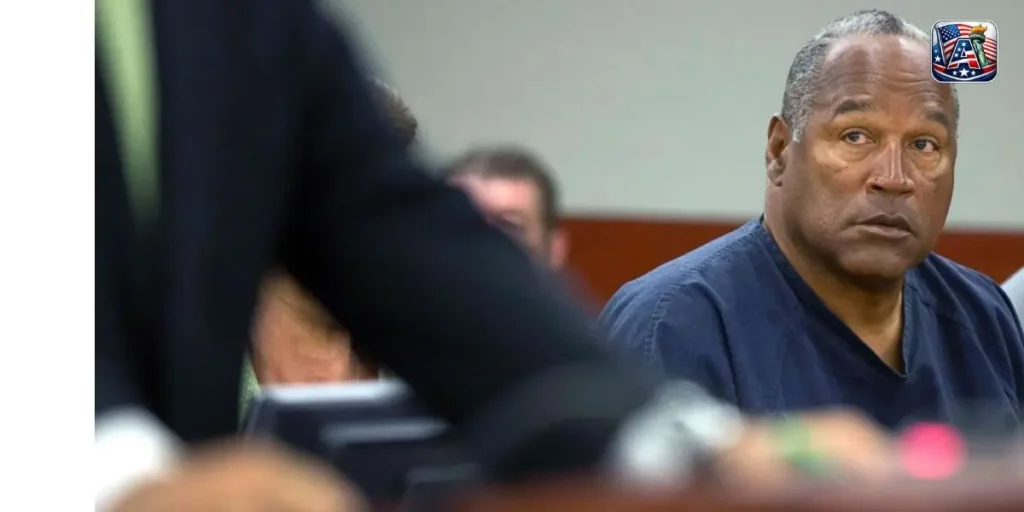
Behind the public image, Simpson’s personal life was troubled. His marriage to Nicole Brown Simpson was marred by domestic violence, with police being called to their home multiple times starting as early as 1989. Reports of physical abuse, including injuries to Nicole, foreshadowed the tragic events of 1994. These incidents, though widely documented, were often overshadowed by Simpson’s celebrity status, delaying public awareness of his personal problems.
The 1994 Murders of Nicole Brown Simpson and Ron Goldman
On June 12, 1994, Nicole Brown Simpson and her friend Ron Goldman were brutally murdered outside Nicole’s Brentwood home. The crime scene revealed blood evidence, gloves, and footprints linking Simpson to the murders. The shocking nature of the killings, combined with Simpson’s fame, made this case a national obsession. Dubbed the “Trial of the Century,” it captivated audiences and dominated headlines for years.
The White Bronco Chase
Five days after the murders, Simpson failed to surrender to authorities, resulting in the now-famous White Bronco police chase on June 17, 1994. Driven by his friend Al Cowlings, Simpson’s slow-speed pursuit was broadcast live on television, captivating millions and temporarily halting regular programming. This event intensified public attention and made Simpson a household name for reasons beyond football or acting.
The Criminal Trial of 1995
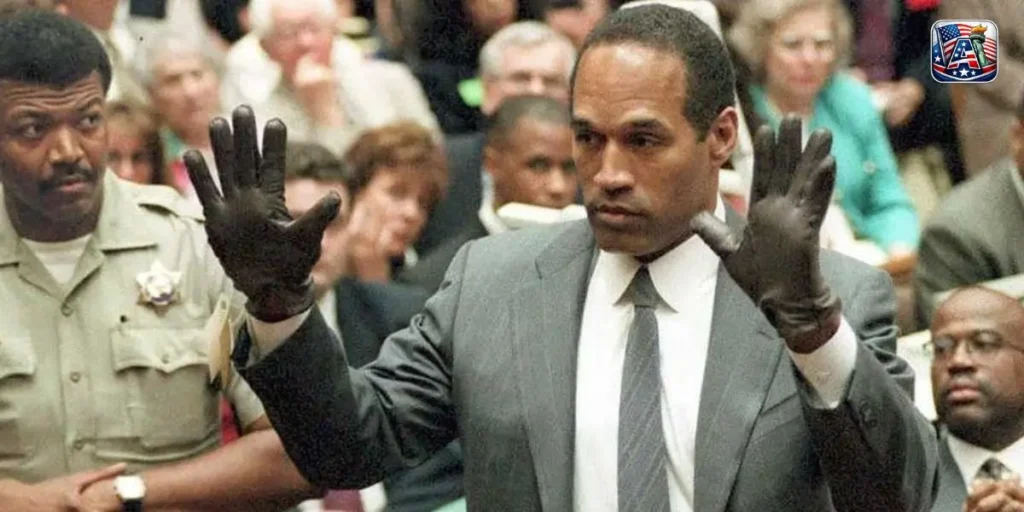
The 1995 trial pitted Simpson’s “Dream Team” of high-profile lawyers against a skilled prosecution team. Key moments included the demonstration of the bloody gloves with Cochran’s famous line: “If it doesn’t fit, you must acquit.” Despite substantial evidence, Simpson was acquitted of all murder charges on October 3, 1995. The trial highlighted societal divisions, issues of race, and the influence of media coverage on high-profile cases.
Civil Trial and Financial Consequences
While Simpson was acquitted criminally, the families of Nicole Brown Simpson and Ron Goldman filed a civil wrongful death lawsuit in 1997. A jury found Simpson liable and ordered him to pay $33.5 million in damages. This outcome demonstrated the difference between criminal and civil legal standards, and it placed significant long-term financial obligations on Simpson.
Las Vegas Robbery and Prison Sentence
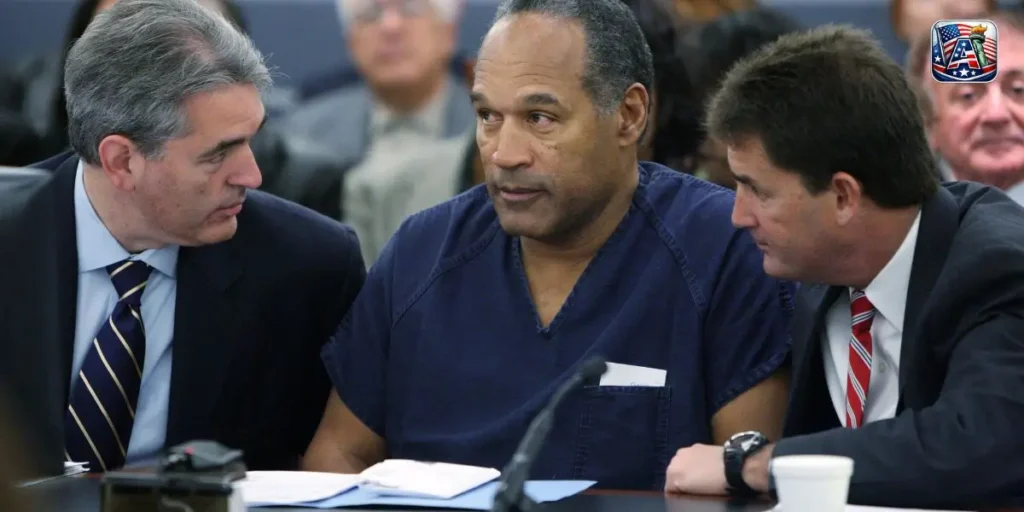
In September 2007, Simpson was involved in a robbery at the Palace Station Hotel in Las Vegas. He and several accomplices were charged with armed robbery and kidnapping related to sports memorabilia. In 2008, he was found guilty and sentenced to up to 33 years in prison, though parole was possible after nine years. This marked a dramatic fall from his earlier celebrity and freedom, and renewed media attention on his legal troubles.
Life in Prison
Simpson served his sentence at the Lovelock Correctional Center in Nevada. He was placed in protective custody due to his fame, and reports indicate that he adhered to prison rules and participated in programs during his time behind bars. His incarceration, while structured, was constantly scrutinized by the media, ensuring that public interest remained high.
Release, Health Issues, and Death
After serving nine years, Simpson was released on parole in October 2017. His later years were marked by health problems, including prostate cancer. Simpson passed away on April 10, 2024, in Las Vegas, Nevada. Following his death, his estate faced ongoing civil claims, including a $58 million judgment tied to earlier wrongful death cases.
Impact on Culture and Media
Simpson’s story influenced countless documentaries, television shows, and discussions on justice, race, and celebrity. Notable productions include O.J.: Made in the USA and O.J. Simpson: American Manhunt (Netflix, 2025). His life and trials continue to serve as a lens for understanding media influence, public perception, and societal reactions to high-profile criminal cases.
Timeline of Major Events
2024: Dies at age 76
1947: Born in San Francisco, California
1968: Wins Heisman Trophy at USC
1969: Drafted first overall by the Buffalo Bills
1994: Nicole Brown Simpson and Ron Goldman murdered
1994: White Bronco chase captivates the nation
1995: Acquitted in criminal trial
1997: Found liable in civil trial; ordered to pay $33.5 million
2007–2008: Las Vegas robbery and trial
2008: Sentenced to prison
2017: Released on parole
The Legacy of Jail OJ Simpson and Media Influence
Even years after his trials and prison time, the legacy of Jail OJ Simpson continues to shape American media and public perception of celebrity justice. Documentaries, miniseries, and news retrospectives revisit his story, showing how fame, race, and the legal system intersected in one of the most publicized cases in history. The media coverage of Simpson’s life—from football stardom to courtroom drama—has influenced how high-profile cases are reported today, highlighting the power of storytelling in shaping public opinion.
This legacy also sparks ongoing debates about accountability, media ethics, and the consequences of celebrity culture. Jail OJ Simpson remains a cautionary tale, illustrating that no amount of fame can shield someone from the repercussions of their actions and the scrutiny of the public eye.
Conclusion
The life and trials of Jail OJ Simpson serve as a compelling story of triumph, scandal, and the consequences of fame. From his NFL glory to the shocking murder trials and later incarceration, Simpson’s journey reflects the complex interplay between celebrity, justice, and media influence. By examining his prison years, civil lawsuits, and ongoing cultural impact, it becomes clear why Simpson’s story continues to fascinate the world. This narrative not only captures historical events but also provides insight into the broader societal conversations about justice, accountability, and the lasting effects of media coverage.
FAQs
How long was O.J. in jail?
Nine years in Nevada, released in October 2017.
Did the gloves really not fit?
The defense argued they were too tight, while the prosecution said they had shrunk.
How much did Simpson owe when he died?
About $58 million, due to civil judgments and accrued interest.
Where did he die?
Las Vegas, Nevada, after health complications.
Did Nicole Simpson’s family get any compensation?
Yes, they won $33.5 million in civil court, partially collected through estate settlements.