
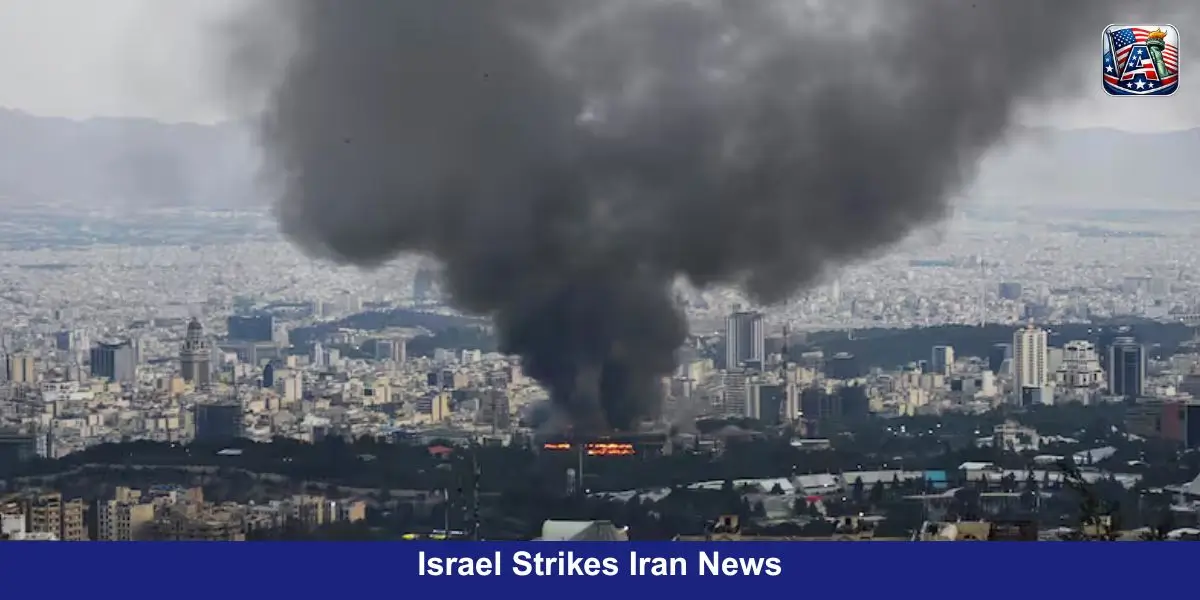
Israel Strikes Iran News
The Middle East entered one of its most volatile periods in recent years after coordinated military strikes by Israel and the United States targeted key Iranian military and nuclear-related infrastructure in late February 2026. The attacks triggered immediate retaliation from Iran and sparked fears of a wider regional conflict involving multiple countries across the Persian Gulf and Eastern Mediterranean.
The crisis unfolded rapidly, combining air strikes, missile barrages, naval engagements, cyber warfare, and intense diplomatic confrontation. Governments around the world closely monitored the situation as oil markets reacted, airlines suspended flights across parts of the Gulf, and international organisations called urgently for de-escalation.According to multiple international reports, the joint military campaign—often described as one of the most significant coordinated operations in recent Middle Eastern history—resulted in hundreds of deaths and widespread infrastructure damage inside Iran, while retaliatory missile and drone attacks struck targets across the region.
Background: Decades of Rising Tensions
Iran, Israel, and the United States
Relations between Iran, Israel, and the United States have been tense for decades. The rivalry intensified after the Iranian Revolution of 1979, when Iran’s leadership adopted a strongly anti-Western and anti-Israeli stance.
Israel has long viewed Iran as one of its most serious strategic threats due to Tehran’s missile programme, its support for armed groups across the region, and concerns regarding its nuclear programme. The United States has also maintained a difficult relationship with Iran, marked by sanctions, diplomatic disputes, and occasional military confrontations.
Over the years, most confrontations occurred indirectly through proxy conflicts in countries such as Syria, Iraq, Lebanon, and Yemen. However, the 2026 crisis represented a rare moment when the confrontation shifted into direct military engagement between Iran and the Israel–United States alliance.
Nuclear Programme Dispute
One of the most persistent sources of tension has been Iran’s nuclear programme. A major international agreement reached in 2015 limited Iran’s nuclear activities in exchange for sanctions relief, but the agreement collapsed after the United States withdrew in 2018.
Since then, Iran has increased uranium enrichment levels and accumulated significant amounts of enriched material, raising concerns among Western governments about the potential for future nuclear weapons development.
These concerns formed part of the strategic context behind the 2026 military strikes.
The Launch of the Military Campaign
Operation Targeting Iranian Infrastructure
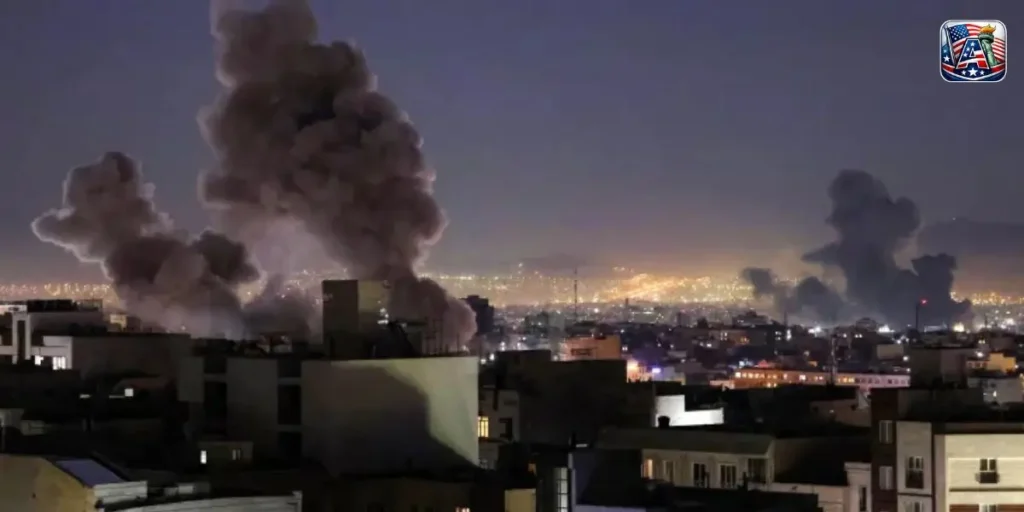
On 28 February 2026, Israel and the United States launched a large-scale military campaign targeting sites across Iran. The strikes reportedly focused on key strategic targets including:
- Nuclear-related facilities
- Missile launch sites
- Military bases and air defence systems
- Command and intelligence centres
According to officials cited in reports, the operation aimed to degrade Iran’s ability to launch missile attacks and limit its capacity to project military power across the region. The strikes involved advanced aircraft, precision-guided munitions, and naval assets positioned in the Persian Gulf and surrounding areas. Military analysts described the operation as one of the most complex joint air campaigns conducted in the region in recent years.
High-Level Casualties and Leadership Losses
Reports emerging from the early days of the conflict indicated that several high-ranking Iranian officials were killed during the strikes. Among those reportedly killed was Iran’s Supreme Leader, Ayatollah Ali Khamenei, although details surrounding leadership changes inside Iran remained unclear during the initial days of the crisis.
The strikes also reportedly killed senior commanders from Iran’s security and intelligence services, further destabilising the country’s leadership structure.
Iranian Retaliation and Regional Escalation
Missile and Drone Attacks
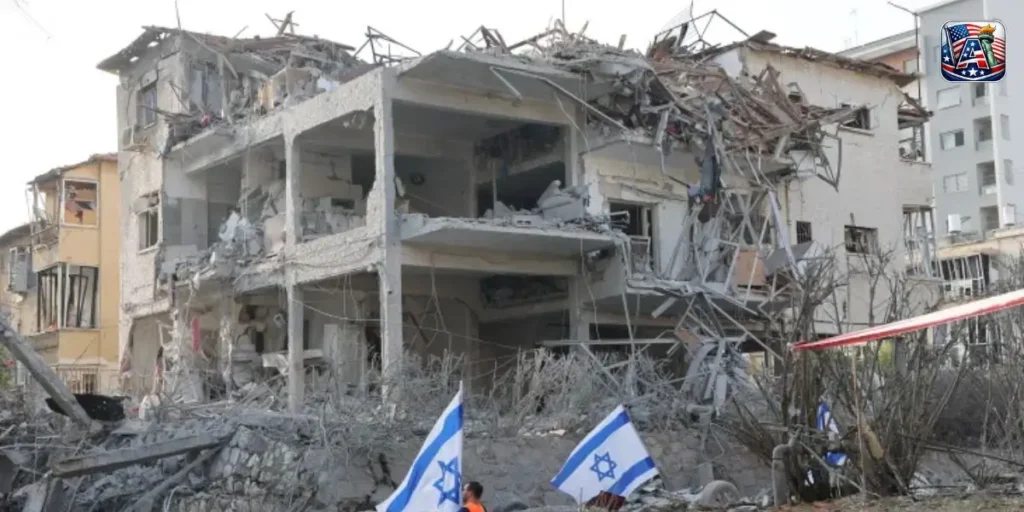
Iran responded swiftly with missile and drone attacks targeting Israel and U.S. military installations across the Middle East. Air defence systems across several countries were activated to intercept incoming projectiles. Some missiles were successfully intercepted before reaching their intended targets, but others caused damage and casualties. Iran also launched attacks toward countries hosting U.S. military bases, expanding the conflict beyond the immediate battlefield.
Attacks on U.S. Military Facilities
One of the most serious incidents occurred when an Iranian drone strike targeted a U.S. military facility in Kuwait. According to defence officials, six American service members were killed in the attack, marking the first confirmed U.S. fatalities in the conflict.
The incident prompted vows of retaliation from American officials and further intensified the military confrontation.
Missile Interception Near NATO Territory
In another dramatic development, NATO air defences reportedly intercepted an Iranian ballistic missile that was travelling toward Turkish airspace. The missile was shot down over the eastern Mediterranean without causing casualties.
The incident raised concerns that the conflict could potentially involve NATO member states if further escalation occurred.
Expansion of the Conflict Across the Middle East
Regional Security Alerts
Following the initial strikes and retaliatory attacks, several countries in the Gulf region raised their military alert levels. Air defence systems were activated and additional security measures were implemented to protect strategic infrastructure.
Missiles and drones launched during the conflict were intercepted in several countries, including Kuwait, the United Arab Emirates, and Qatar.
Maritime and Naval Confrontations
The crisis also spread to maritime routes. U.S. naval forces reportedly sank an Iranian warship during the early phase of the conflict, marking the first such naval engagement involving a U.S. submarine in decades.
The event highlighted the risk that the confrontation could extend beyond air strikes and missile attacks into naval warfare across the Persian Gulf.
Impact on Regional Infrastructure
Strategic energy infrastructure became a major concern during the crisis. Some facilities in the Gulf region were targeted by drones, and governments increased security around oil refineries, gas processing plants, and shipping routes.
The instability prompted Qatar to temporarily shut down gas liquefaction operations due to security concerns linked to the conflict.
Humanitarian Impact
Civilian Casualties
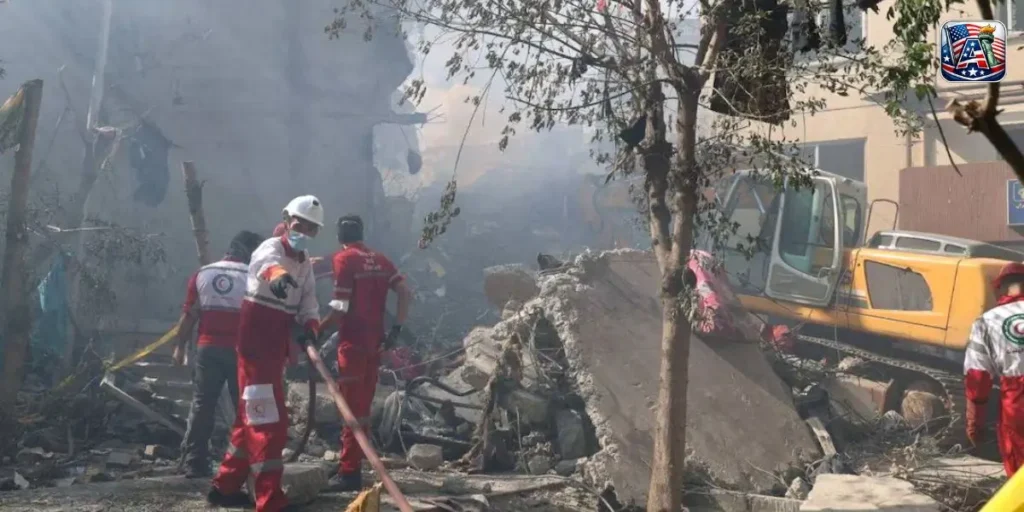
Reports indicated that approximately 800 people were killed during the early stages of the conflict, most of them inside Iran. Many of the victims were civilians caught in air strikes or missile attacks targeting military infrastructure.
Emergency responders in several cities worked to rescue survivors from damaged buildings and provide medical assistance to the injured.
Damage to Infrastructure
The strikes caused widespread damage to infrastructure, including:
- Military facilities
- Government buildings
- Transportation networks
- Industrial installations
In some areas, electricity and communication networks were disrupted due to damage to power infrastructure.
Read more about Israel strikes on Iran and rising tensions
Displacement of Civilians
As the conflict intensified, thousands of civilians fled affected areas. Many residents sought shelter in safer regions or temporary accommodation while humanitarian organisations attempted to deliver aid.
Global Diplomatic Reaction
International Calls for De-Escalation
Governments and international organisations quickly called for restraint and diplomacy.
Senior Vatican officials publicly criticised the strikes, warning that preventive wars risk undermining international law and could push the world toward wider conflict. Diplomatic channels remained active as global leaders attempted to prevent further escalation.
Reactions from Major Powers
China and several other countries expressed concern about the military action and called for a ceasefire and renewed diplomatic engagement. Many governments emphasised that a broader regional war could destabilise global security and disrupt international economic systems.
Economic Impact
Energy Market Shock
The Middle East plays a central role in global energy supply. The outbreak of conflict caused fluctuations in oil and gas prices as markets reacted to the possibility of disrupted exports from the region. The temporary shutdown of major energy facilities further heightened concerns about global supply.
Aviation and Shipping Disruptions
Airlines suspended flights across parts of the Gulf region due to security risks. Shipping companies also reconsidered routes through strategic waterways, including the Strait of Hormuz Insurance costs for ships travelling through high-risk areas increased significantly during the crisis.
Financial Market Volatility
Stock markets around the world experienced volatility as investors responded to the geopolitical uncertainty. Energy companies, shipping firms, and defence manufacturers were among the sectors most affected.
Strategic Implications for the Future
Nuclear Proliferation Concerns
Experts have warned that military strikes targeting Iran’s nuclear programme could potentially encourage Tehran to accelerate efforts toward developing nuclear weapons as a deterrent. The attacks also raised concerns about the fate of Iran’s stockpile of enriched uranium after inspectors from the International Atomic Energy Agency were barred from monitoring facilities.
Risk of Regional War
The involvement of multiple countries and the possibility of further retaliation created fears that the crisis could evolve into a broader regional war. Proxy groups and allied militias across the Middle East remained a significant wildcard in the evolving situation.
Conclusion
The 2026 Israel–United States strikes on Iran represent one of the most dramatic escalations in Middle Eastern geopolitics in recent years. The conflict demonstrated how quickly long-standing tensions can erupt into direct military confrontation involving multiple countries.
The crisis has already had far-reaching consequences: hundreds of deaths, major infrastructure damage, disruption to global energy markets, and heightened fears of regional war.
While the future course of the conflict remains uncertain, the events of 2026 will likely reshape strategic relations across the Middle East and influence international diplomacy for years to come.
Frequently Asked Questions (FAQs)
Why did Israel and the United States strike Iran in 2026?
The strikes were reportedly aimed at weakening Iran’s military and nuclear-related infrastructure. According to international reports, the operation targeted missile bases, air defence systems, and strategic military facilities to reduce Iran’s ability to launch attacks against Israel and U.S. interests in the region.
When did the Israel–U.S. strikes on Iran begin?
The coordinated military strikes reportedly began in late February 2026. The attacks quickly escalated into a regional crisis as Iran launched retaliatory missile and drone strikes across the Middle East.
How did Iran respond to the attacks?
Iran responded by launching ballistic missiles and drones toward Israeli territory and U.S. military bases in the Middle East. Some of these attacks targeted facilities in Gulf countries where American troops are stationed.
Were there casualties in the conflict?
Yes, the conflict resulted in significant casualties. Reports indicated that hundreds of people were killed, including civilians and military personnel. Some U.S. service members were also reported killed in drone attacks targeting American facilities in the region.
Which countries were affected by the conflict?
Although the primary confrontation involved Iran, Israel, and the United States, the crisis affected several countries across the Middle East, including Gulf states such as Kuwait, Qatar, and the United Arab Emirates due to missile threats and regional security concerns.
How did the conflict impact global oil and gas markets?
The Middle East is a major energy-producing region, so the conflict caused volatility in global oil and gas markets. Concerns about potential disruptions to supply routes, especially near the Strait of Hormuz, led to price fluctuations and increased uncertainty in energy markets.
What was the international reaction to the strikes?
Many governments and international organisations called for restraint and diplomatic solutions. Global leaders warned that further escalation could destabilise the Middle East and negatively affect global economic and political stability.
Could the conflict lead to a wider regional war?
Experts have warned that continued retaliation between Iran, Israel, and the United States could escalate into a broader regional conflict. However, diplomatic efforts by international organisations and global powers aim to prevent the situation from expanding further.