
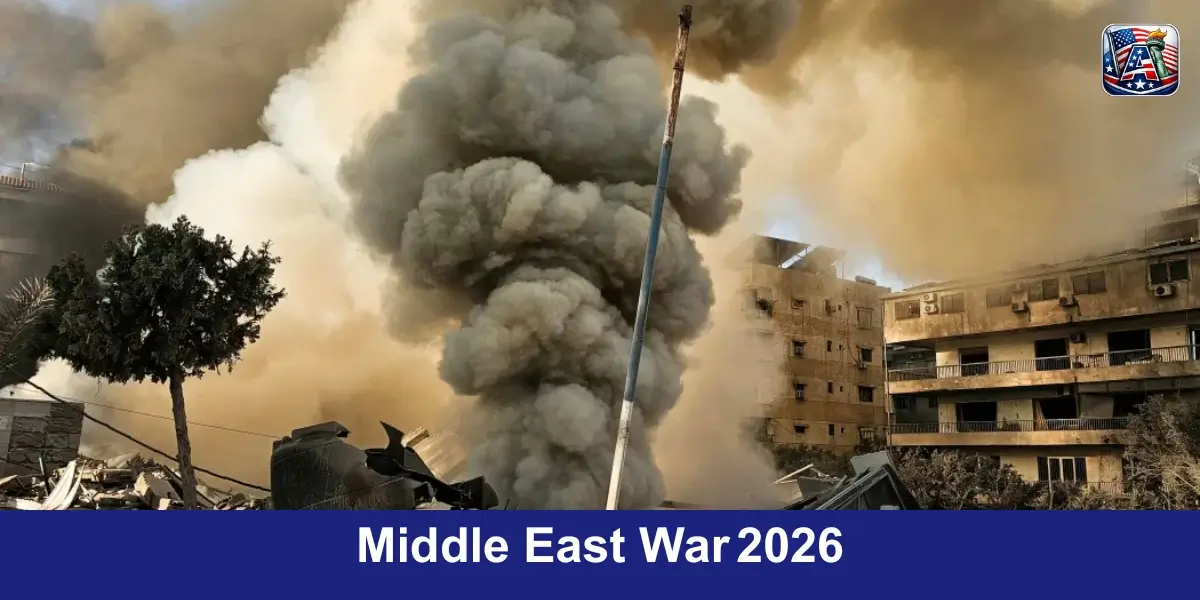
Middle East War 2026
The Middle East War 2026 has emerged as one of the most discussed global security developments of the year, drawing attention from governments, analysts, and international markets. Reports of escalating tensions involving major global and regional powers have created widespread uncertainty about the future stability of the Middle East.
Although the situation remains fluid and evolving, the developments in 2026 reflect a deeper and long-standing geopolitical rivalry that has shaped the region for decades. What makes the current phase particularly significant is the combination of military activity, political messaging, economic pressure, and regional alliances all unfolding at the same time.
This has turned the Middle East War 2026 narrative into more than a regional conflict discussion; it has become a global concern affecting energy markets, international diplomacy, and economic stability across continents.
Background: Long-Term Roots of the Middle East Conflict
The tensions associated with the Middle East War 2026 cannot be understood without examining the historical context of the region. For decades, political disagreements, ideological differences, and strategic competition have defined relationships between key regional and global actors.
The United States and Iran have experienced strained relations since the late 20th century, particularly following the Iranian Revolution in 1979. Over time, issues related to nuclear development, regional influence, sanctions, and military presence have continued to fuel mistrust.
In addition to direct state relations, the region has also been shaped by the presence of allied groups and proxy networks operating across multiple countries. These dynamics have made the Middle East one of the most complex geopolitical landscapes in the world.
By 2026, these long-standing issues have converged into a more intensified and multi-layered situation often referred to as the Middle East War 2026.
Escalation of Tensions in 2026
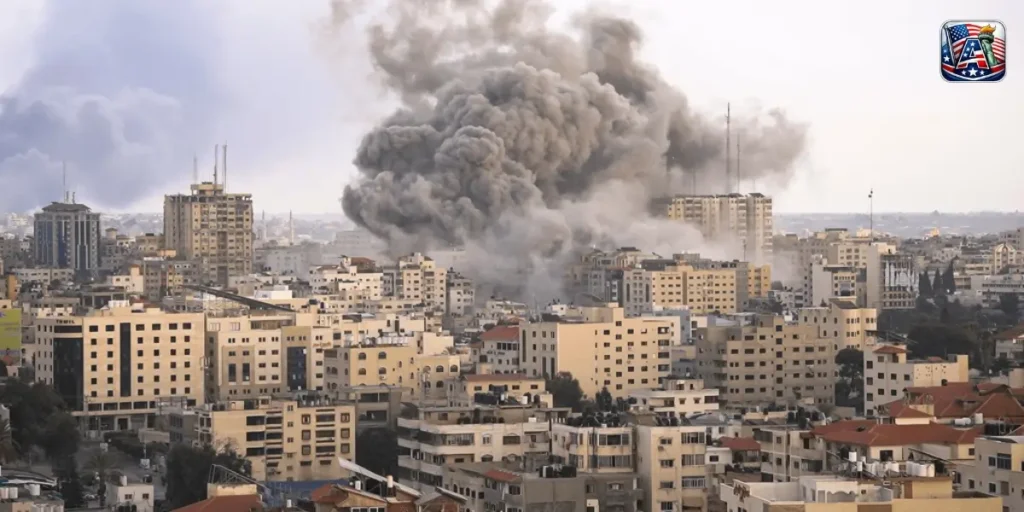
The year 2026 has seen a noticeable increase in military and strategic activity across the Middle East. Reports from multiple international sources indicate heightened operations involving air power, missile systems, and regional defense responses.
The escalation is not limited to one area but spans multiple countries and strategic zones, including critical maritime routes and energy corridors. These developments have raised concerns about the potential for further expansion if diplomatic efforts fail to stabilize the situation.
While official details remain limited in some cases, the overall pattern suggests a shift toward increased confrontation rather than de-escalation.
Strategic Objectives and Political Positioning
The Middle East War 2026 is not only a military development but also a political and strategic struggle involving multiple objectives. Governments involved in the situation have framed their actions around national security concerns, regional stability, and deterrence strategies.
Political leaders have emphasized the importance of preventing further escalation of threats, particularly related to missile capabilities and regional influence networks. At the same time, opposing sides have expressed concerns over sovereignty, foreign intervention, and regional autonomy.
This overlapping set of objectives has created a highly complex diplomatic environment where communication and negotiation remain challenging but essential.
Regional Involvement and Proxy Influence
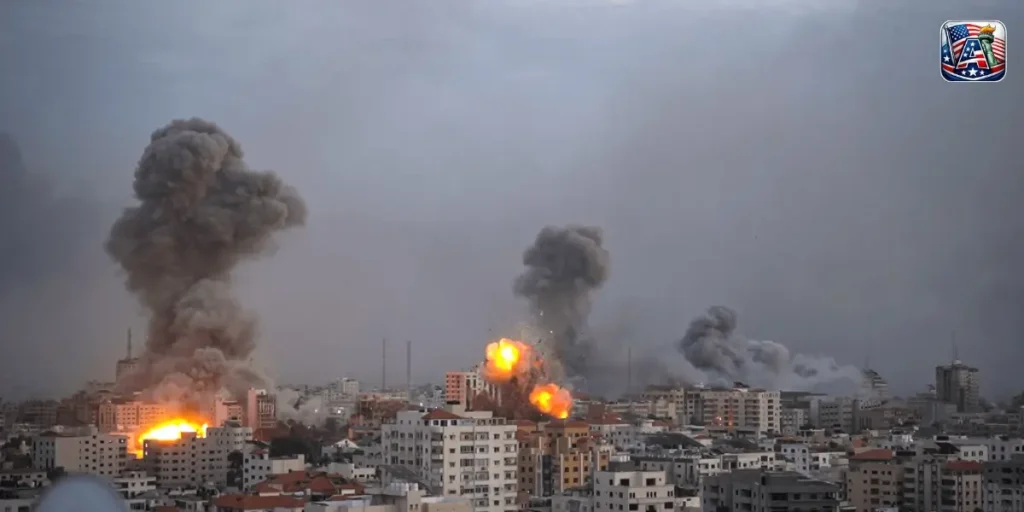
One of the defining features of the Middle East War 2026 is the involvement of regional allied groups operating across multiple countries. These networks contribute to the spread of instability beyond traditional state borders.
As tensions rise, these groups become more active, leading to incidents in different parts of the region. This creates a situation where conflict is no longer limited to direct engagements but expands through indirect channels, increasing unpredictability.
Several neighboring countries have also increased their security measures, reflecting concerns about spillover effects and regional destabilization.
Economic Consequences and Global Market Reactions
The economic impact of the Middle East War 2026 has been immediate and significant. Global energy markets are particularly sensitive to developments in the region due to its importance in oil production and transportation routes.
Even the possibility of disruptions in key shipping lanes has led to volatility in global oil prices. Analysts warn that continued instability could contribute to inflationary pressure in many countries, especially those dependent on energy imports.
International trade routes have also experienced disruptions due to security concerns, forcing shipping and aviation industries to adjust operations. These changes have added cost pressures and logistical challenges to global supply chains.
Humanitarian Concerns and Civilian Impact
Beyond political and economic dimensions, the Middle East War 2026 has raised serious humanitarian concerns. Populations living in affected regions face uncertainty, displacement risks, and disruptions to essential services.
Humanitarian organizations have emphasized the importance of protecting civilian populations and ensuring access to medical aid, food supplies, and safe infrastructure. In prolonged conflicts, the humanitarian impact often extends far beyond the immediate battlefield, affecting long-term development and stability.
Cyber Warfare and Modern Conflict Dynamics
Modern conflicts increasingly extend beyond physical military engagement, and the Middle East War 2026 is no exception. Cyber operations and digital disruptions have become part of the broader strategic environment.
Security analysts have observed increased cyber activity targeting communication systems and critical infrastructure across the region. While not all incidents are publicly confirmed, the growing role of digital warfare highlights how modern conflicts now operate across multiple domains simultaneously.
Possible Future Scenarios for the Region
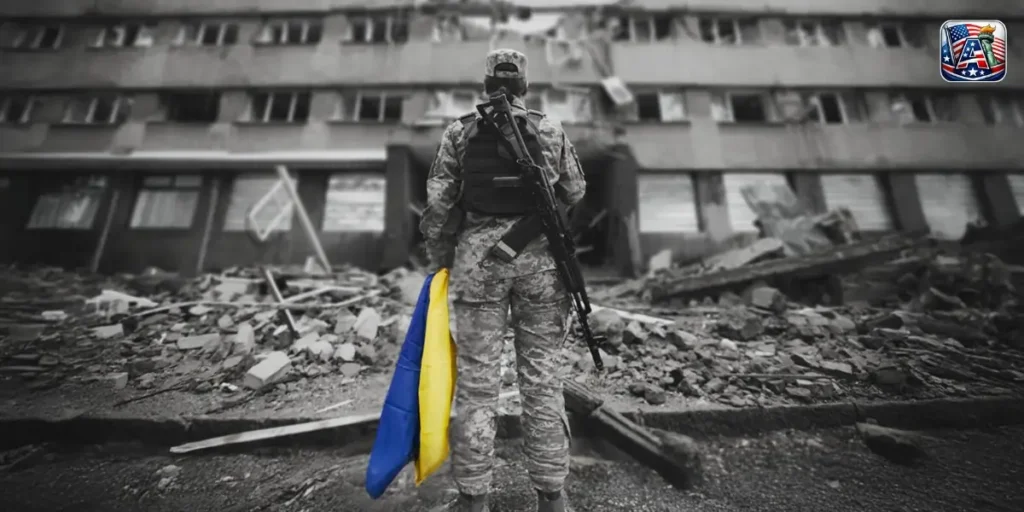
The future of the Middle East War 2026 remains uncertain, with several potential paths being discussed by international observers.
One possible outcome is continued limited conflict, where tensions remain high but controlled through indirect engagement. Another possibility involves diplomatic intervention leading to gradual de-escalation and renewed negotiations between involved parties.
A more severe scenario could involve wider regional escalation if additional actors become directly involved in the conflict. However, there is also the possibility that sustained international pressure and economic consequences may eventually push all sides toward a negotiated settlement.
At this stage, no single outcome can be predicted with certainty, and the situation continues to evolve rapidly.
Conclusion: A Defining Moment in Global Geopolitics
The Middle East War 2026 represents a critical moment in modern international relations. It reflects not only current military and political tensions but also the long-standing structural issues that have shaped the region for decades.
As the situation continues to develop, its impact is being felt far beyond the Middle East, influencing global markets, diplomatic relations, and security strategies worldwide.
The coming months will be crucial in determining whether the situation moves toward stabilization or further escalation, making it one of the most closely watched geopolitical developments of the year.
FAQs – Middle East War 2026
What is the Middle East War 2026?
The Middle East War 2026 refers to rising geopolitical tensions and reported military escalations involving regional and global powers in the Middle East, leading to instability across the region and global concern.
What caused the Middle East War 2026 situation?
The situation is linked to long-standing political conflicts, security disputes, regional power struggles, and disagreements over military and nuclear-related issues involving key Middle Eastern countries and global actors.
Is the Middle East War 2026 officially confirmed as a full-scale war?
No, it is not officially declared as a single full-scale war. Instead, it is described as a series of escalating conflicts, military actions, and regional tensions across multiple areas.
Which countries are most affected by the Middle East War 2026?
Countries in the Middle East such as Iran, Israel, Lebanon, Iraq, and Gulf states are most affected, along with indirect global impacts on the United States, Europe, and Asia through economic and security channels.
How does the Middle East War 2026 affect the global economy?
It affects global oil prices, energy supply chains, shipping routes, and financial markets. Even uncertainty in the region can lead to inflation and increased fuel costs worldwide.
What role do proxy groups play in the conflict?
Various regional allied groups and militias are often involved indirectly in the conflict, which increases instability and spreads tensions across multiple countries in the region.
Could the Middle East War 2026 escalate further?
Yes, analysts suggest that the situation could either escalate into a wider regional conflict or gradually de-escalate depending on diplomatic efforts and political decisions in the coming months.