
U.S. Oil Prices in 2026
In 2026, the whole oil market is quite unstable and shifting a lot. One of the most significant economic indicators is still oil prices. They affect inflation, industrial production, transportation expenses, and commerce between countries. People all around the globe are paying attention to changes in oil prices since the United States is becoming a major producer and exporter of crude oil.
Many people expected that oil prices would be lower than they had been in previous years at the beginning of 2026. The main reason for this prediction is that production is going up in the US and other important oil-producing countries. Geopolitical tensions in the Middle East, especially the growing confrontation with Iran and fears over oil shipping routes, are placing even greater stress on global markets.
There are a variety of elements that affect the price of oil. These include the amount of oil available throughout the world, expanding demand, geopolitical threats, energy legislation, and technical advancement in the energy sector. Businesses, governments, and consumers who depend on stable energy markets need to know about these limits.
A Look at the Oil Market Around the World
A massive network of producers, dealers, refiners, and distributors keeps the oil business going across the world. Pipelines, shipping routes, and storage facilities transfer crude oil from different places so that it may be converted into useful products like gasoline, diesel, aviation fuel, and petrochemicals.
People use benchmark pricing methods in the global oil trade. Brent crude is the most significant standard for oil that is traded on international markets. West Texas Intermediate is the principal standard for oil that is manufactured and sold in the US.
Even though these benchmarks often move in the same direction, pricing may be different because of variances in regional supply, storage space, and shipping costs. Futures markets are highly significant because they enable businesses and dealers buy or sell oil at fixed prices for delivery in the future. Prices may swing up and down fast in these marketplaces, but they may also assist lower risk.
Changes in the oil market before 2026
What happened before 2026 has a huge effect on the oil market now. In 2020, the COVID-19 epidemic forced many economies to shut down. This was one of the worst things that could have occurred to the world’s energy sector. Traveling throughout the world declined a lot, which cut down on the usage of oil and brought prices to their lowest levels ever.
The requirement for oil kept increasing up as economies became better over the next few years. Travel and business throughout the world were almost back to normal by 2022 and 2023. At the same time, disputes between countries started to affect energy markets. The war between Russia and Ukraine messed up supply lines throughout the world, making some countries reassess how they get energy.
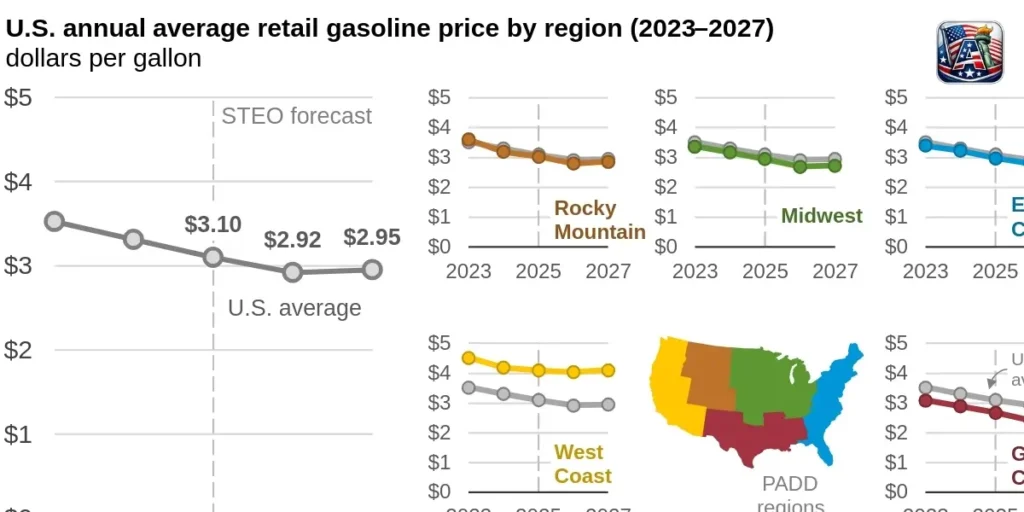
The US’s oil output at home went grown a lot between 2024 and 2025 because to new shale drilling methods. This increase in output helped the country stay one of the world’s top oil producers and exporters. A lot of people thought that oil prices would drop as the world’s supply rose.
But fresh problems throughout the world came in the way of these hopes in 2026.
In 2026, how much oil will cost
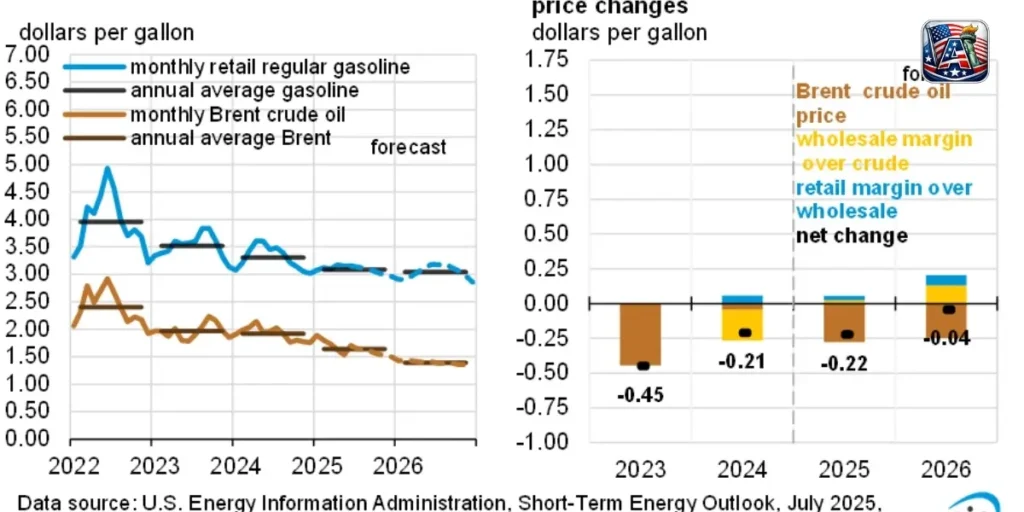
Prices for oil have changed a lot since 2026. At the start of the year, the price of West Texas Intermediate fell down a little bit. Brent crude was selling for $60 to $70 a barrel.
As tensions escalated in the Middle East, especially between Iran and marine security problems, merchants started to worry about possible problems with oil supply routes. Prices went increased a lot because of these worries. The price of WTI crude rose to about $90 per barrel, while the price of Brent crude rose to between $95 and $100 when things got more confusing.
These price increases, even if they were short-lived, showed how geopolitical issues can have a huge impact on energy markets throughout the world. When there is news of conflict, threats to infrastructure, or supply concerns, oil dealers frequently act quickly.
The Middle East’s geopolitics and the oil market’s stability
The Middle East is still one of the best regions in the world to get oil. Saudi Arabia, Iraq, Iran, Kuwait, and the United Arab Emirates are some of the nations in the area that hold some of the biggest known oil reserves in the world.
Political unrest or conflict in this area may immediately damage supply routes throughout the world. When tensions with Iran grew in 2026, many people were worried about the oil infrastructure and ship traffic in the Persian Gulf. Even little concerns or issues with transportation routes might have an impact on the oil market throughout the world.When people debate about oil prices, they commonly use the term “geopolitical risk premium.” This extra expense is because there is uncertainty about possible supply concerns in places where politics are critical.
The Strait of Hormuz is important because
The Strait of Hormuz is one of the most important shipping lanes for oil in the world. This small strait links the Arabian Sea to the Persian Gulf. It is the main method that oil from several Middle Eastern countries leaves the region.This major canal moves over 20% of the world’s oil supplies every day. The canal is a big concern for global energy logistics since it is small and has a lot of traffic. Any complications with transporting tankers can have a huge influence on the supply across the world.
In 2026, problems in the Strait of Hormuz started to have a large influence on oil prices. Markets reacted fast to worries about shipping safety and expected blockades, which sometimes caused prices to go up a lot.This shipping route has to be safe for the world’s energy markets to be stable.
What the government did in response to the Strategic Petroleum Reserve
The Strategic Petroleum Storage is a big emergency oil store that the US government owns. This reserve is kept in subterranean facilities all throughout the Gulf Coast. It is supposed to be used as supplementary supplies in case of crises or significant difficulties.The U.S. decided to sell more than 170 million barrels of crude oil from the reserve because oil prices were going up and the globe was getting less stable.
This action was part of a coordinated effort with other countries through the International Energy Agency.When strategic reserves are released, it helps stabilize the market by increasing short-term supply and calming worries in the financial markets. These items assist for a little while when things are unstable, but they won’t address supply problems for good.
More oil is available across the planet.
The ongoing growth in global production capacity is one of the most important elements that will effect oil market projections for 2026. In the past ten years, several countries have invested a lot of money in new oil resources and ways to make oil.This increase has been led by the United States. American companies can now retrieve oil from rock formations that were too hard to reach before thanks to shale drilling procedures like hydraulic fracturing and horizontal drilling. These technologies have made it much easier to get oil out of the ground.
Other nations have also raised their production. Canada is still working on its oil sands resources, but Brazil has expanded its offshore oil business. In response to global demand, some members of the Organization of the Petroleum Exporting Countries have also raised their production capacity.Many analysts think that oil prices may have to go down if demand doesn’t expand as swiftly as supply throughout the world.
Read more: Discover the latest trends, risks, and forecasts shaping U.S. oil prices in 2026.
Changes in the World’s Need for Oil
There is still a lot of demand for oil throughout the world, but growth has slowed down compared to the last several decades. This tendency has happened because of a variety of changes in structure.Even though automobiles now consume less oil because they are more fuel-efficient, transportation is still one of the main reasons people use oil. At the same time, more and more people in different nations are buying electric cars.
Governments are also pouring money into alternative energy sources like solar and wind power. These expenses are part of a larger initiative to cut down on carbon emissions and switch to greener energy sources.Oil is still vitally crucial to many businesses, even with these changes. Petroleum products are needed for heavy industries, making chemicals from oil, airplanes, and transportation. Because of this, oil will probably be in high demand for a long time.
Oil Prices in 2026
Several major forces are shaping oil price movements in 2026. These factors combine economic, political, and technological influences that affect supply and demand.
- Increasing oil production in the United States and other major producing countries has expanded global supply.
- Geopolitical tensions in the Middle East have created uncertainty regarding shipping routes and energy infrastructure.
- Global economic conditions influence demand for transportation fuel and industrial energy.
Strategic petroleum reserve releases have temporarily increased supply in response to rising prices. - Technological developments in renewable energy and electric vehicles are gradually changing global energy consumption patterns.
These factors interact continuously, making oil price forecasting extremely complex.
What happens to the economy when oil prices go up or down?
Changes in the price of oil have a direct influence on the economies of countries and the world’s stock markets. People and companies have to pay extra to fill up their tanks when oil prices go up. Prices for goods and services might go up because it costs more to run a firm in the industrial, transportation, and aviation sectors.The cost of oil going up might make inflation worse. Central banks may raise or lower interest rates to keep inflation in control if energy costs go up.
On the other side, lower oil costs are usually good for the money of clients. When petrol prices go down, people have more money to spend on other things. This might help the economy get bigger.But places that depend on manufacturing energy may be affected by falling oil prices. People might not want to put money into oil exploration and development if prices go down. There would be fewer jobs and less money for the government in places where oil is manufactured.
How Energy Changes Over Time
The energy market is changing in the long term all around the world, and it’s not only the price adjustments that will happen in 2026. Governments and businesses all around the world are spending a lot of money on renewable energy.Using hydrogen fuel, solar electricity, and wind power to run equipment is become cheaper and more practical. With better battery storage, getting power from renewable sources is becoming more reliable.
One of the most obvious evidence of this transformation in energy is the rise of electric cars. More people are preferring electric automobiles over gas-powered ones as charging stations become more ubiquitous and battery technology gets better.These developments might make the world less dependent on oil in the future, but it will take a long time for it to happen. Oil will still be highly vital for manufacturing chemicals, moving stuff around, and creating things in factories.
What will the price of oil be like in the future?
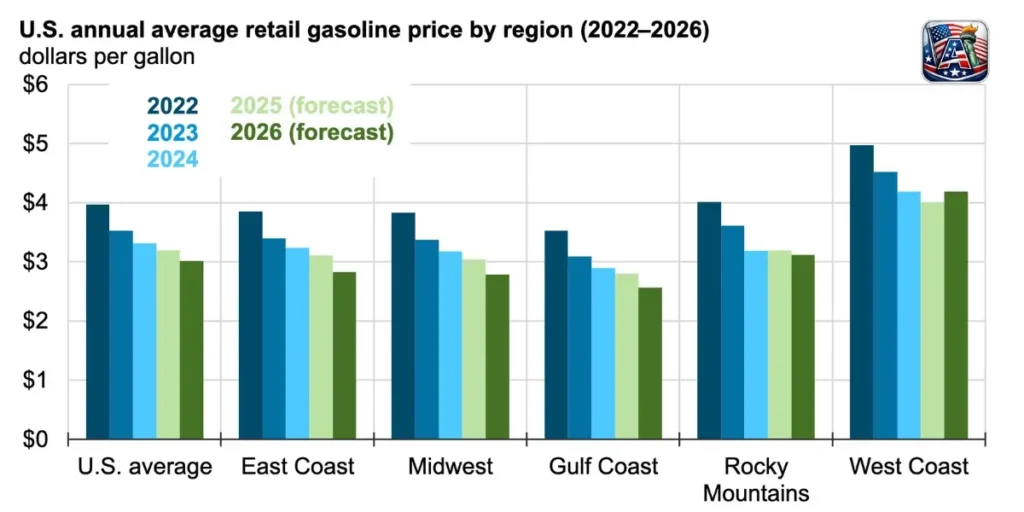
The price of oil will change in the future because of a number of reasons. These include decisions concerning energy policy, events that happen throughout the world, and the state of the economy. If the Middle East settles down and shipping routes are safe, the world’s oil supply might expand, which could cut prices.But geopolitical issues are going to be a large part of the energy markets. Conflicts, sanctions, and challenges with diplomacy might have a huge effect on how goods are delivered and what the market thinks will happen.
Policies that encourage people to transition to new technology and energy sources may gradually change how much energy people consume throughout the world. These improvements might impact how costs fluctuate over time and make it easier to use different kinds of energy.
Conclusion
The oil market in 2026 shows how hard it is to predict how changes in energy legislation, supply increases, and turbulent geopolitics would impact each other. The US has solidified its place as one of the world’s biggest oil producers and helped to boost the global supply. At the same time, worries about shipping routes like the Strait of Hormuz and political instability in the Middle East have made it exceedingly impossible to predict what will happen in the global energy markets.
In the past year, oil prices have shifted a lot. During times when the world was quite uncertain, they even reached close to $100 a barrel. Government actions, notably the upcoming release of oil reserves, have helped the market stabilize in the near term.
Over time, oil prices will be affected by the choices of major oil producers, how fast the globe moves to cleaner energy sources, and how quickly the world economy grows. Supply and demand suggest that oil markets may become more stable and balanced over the next few years, even though they are still unstable in the short term.
FAQs
Will the price of oil drop in 2026?
If the supply of oil keeps expanding faster than the demand for it, oil prices can fall down in 2026. The U.S. Energy Information Administration says that the price of a barrel of Brent crude oil might be between $50 and $59 in 2026. They believe that the world’s supply of oil would be greater than its consumption, which would mean that more oil would need to be stored.
Things that happen in the Middle East or issues in the Strait of Hormuz might make prices go higher in the near term, though.
If oil costs $150 a barrel, how much would gas cost?
If the price of crude oil rises up to $150 per barrel, petrol prices in the US might go up by $5 to $6 per gallon. How much it costs to refine, how much gas is available in the area, and taxes would all have a role. When the price of crude oil goes up, the price of gasoline has gone up in the past. This is because crude oil makes gasoline so expensive.
Who buys Iranian oil?
Most of Iran’s crude oil goes to markets in Asia. It sells oil to a number of important countries, like as
- Syria and the Republic of China
- Venezuela (via oil trade agreements)
- A few smaller shipments to customers in Asia
Even though there are international sanctions against Iran, China has been Iran’s biggest oil buyer in the past few years. It frequently buys less oil than it needs.
Will oil prices most likely drop?
Many experts anticipate that oil prices will eventually go down if supply stays robust. The US, Brazil, and OPEC countries are all working together to make oil supply throughout the world go up faster than demand. People believe that this excess oil will cause prices to go down in the future.
Prices could go up for a little while, though, if there are severe issues with supply or political unrest.
Who has the most oil in the world that no one has found yet?
People think that Venezuela possesses the biggest oil reserves that haven’t been used yet, especially in the Orinoco Belt. Venezuela has the greatest proven oil reserves in the world, but many of them are still not being used because of problems with the economy, infrastructure, and international sanctions.
There are also a lot of oil reserves in the US, Canada, Russia, and Iraq that haven’t been found yet.
Who in Iran consumes the most oil?
China is currently the top customer for Iranian oil. Because of rules in other countries, Chinese refineries may obtain a lot of Iranian oil through trading that isn’t direct. This oil is a useful energy source for China because it is cheaper for them to get.
Does Iran give anything to the US?
The US doesn’t buy oil from Iran right now because Iran’s energy industry isn’t making enough money. These rules make it hard for people to work in banking, energy, and many other fields. They don’t trade with each other very often, and when they do, it’s mostly food and medical supplies for people who need them.
Who let out 400 million barrels of oil?
The International Energy Agency ordered the world to let go of approximately 400 million barrels of oil that were being kept in strategic reserves. This was done to assist stabilize the energy markets during the current crisis, which is making it harder for commodities to go to people all over the world. The U.S. Strategic Petroleum Reserve gave up most of this. This was one of the best emergency oil delivery ever, and it was supposed to keep prices from going up too rapidly on the world market.