
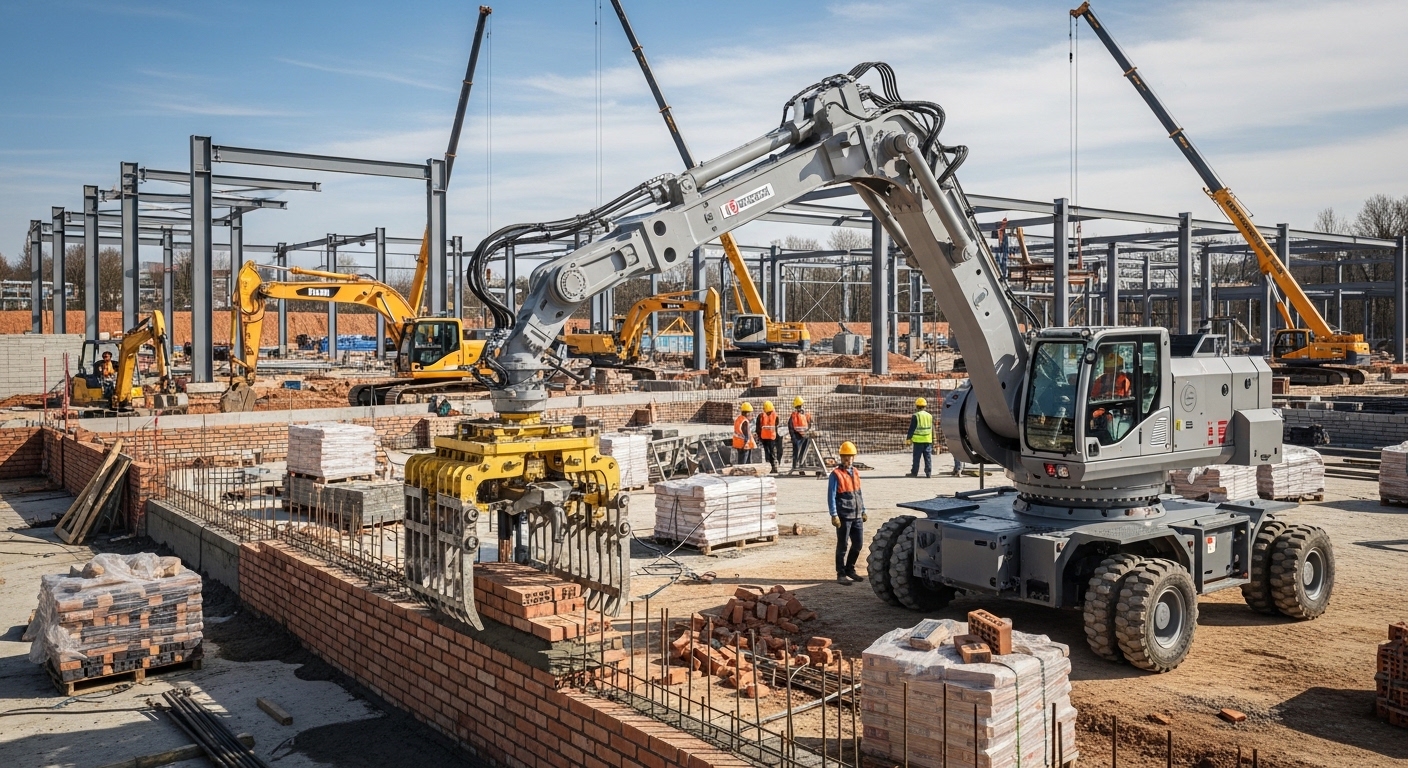
Construction robotics news isn’t just fresh this year — it’s everywhere. From robots laying bricks to autonomous machines moving earth, this is the part of technology that’s finally stepping out of hype and into real job sites. I’ve been in construction for years. I’ve seen tech come and go. Some gadgets vanish in months. But the robots we’re using today? They’re sticking. And they’re solving real problems.
This year, “construction robotics news” isn’t just about promise—it’s about real tools showing value. You can see robots on jobsites in the U.S., Europe, and Asia doing work humans used to do. And it’s not future‑talk anymore. It’s happening now.
Why Construction Robotics Matters in 2026
A few years back, robotics in construction mostly lived in labs and trade shows. Now robots are beginning to do work that matters: layout marking, earthmoving, bricklaying, inspection, and more. They aren’t everywhere yet, but they’re real and repeatable.
I’ll be honest — adoption isn’t perfect. Industry surveys show contractors actually like robotics more now, but fewer of them are using robots on their most active sites than expected. That tells me something important: people see value, but they’re careful about where they put their money. Yes, contractors are optimistic, but they still deploy robots selectively rather than everywhere. That matches what I hear on sites: builders want tech that pays for itself right away.
What’s Working on Jobsites Right Now
A few robots aren’t just experiments—they’re tools people trust:
Robotic Bricklaying and Precision Work
Robots that can lay brickwork faster and more accurately than humans are now real tools. These systems aren’t perfect, but on big builds they save days of labor.
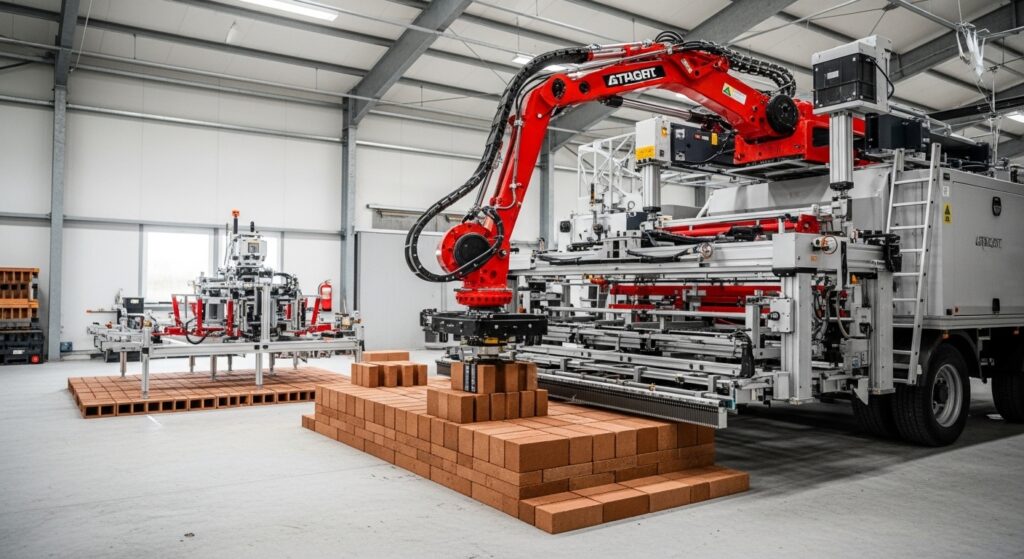
These brick‑laying machines can stack bricks way faster than humans—sometimes hundreds in an hour. That matters on big housing jobs or community builds.
Autonomous Construction Machinery
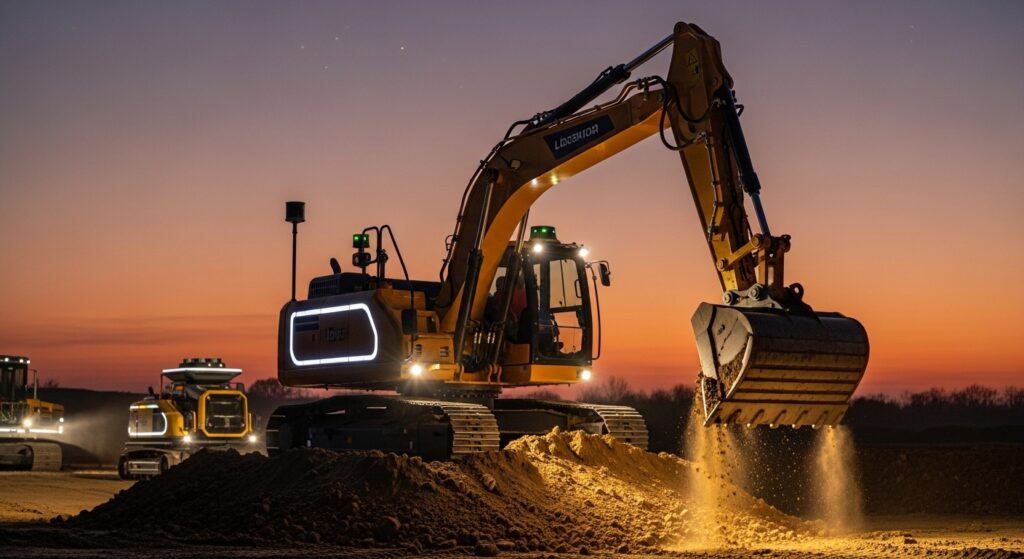
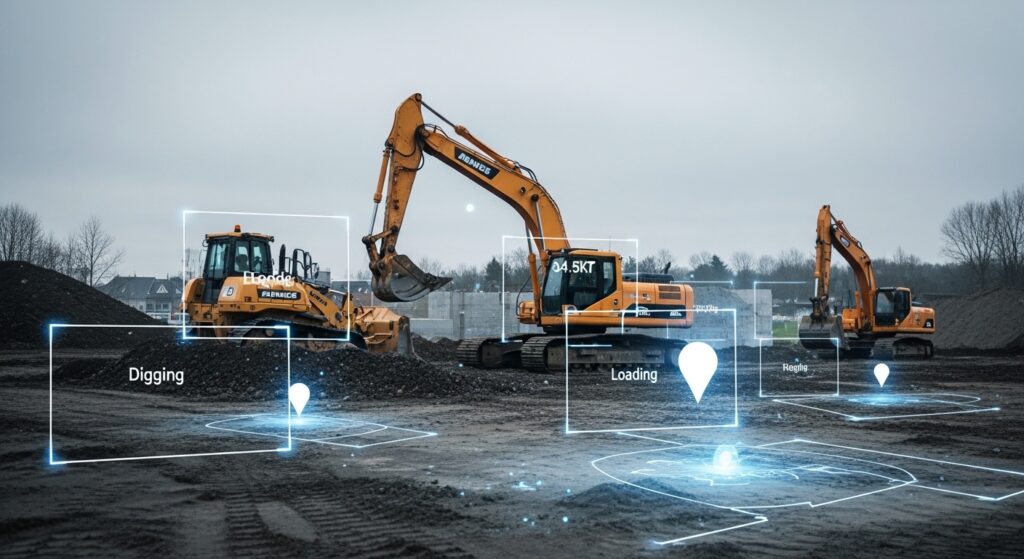
Machines like excavators running themselves with GPS and AI aren’t science fiction. They are clearing land and grading soil on real jobs. These robots can run longer, reduce fuel waste, and keep us humans out of the dustiest, most dangerous work.
Smart Robots That Scan, Map, and Inspect
Not all robots break concrete or lift beams. Some simply scan and track progress. Drones map sites daily. Mobile robots inspect work areas for safety. They don’t look flashy, but they save hours of manual checking. And fewer mistakes mean lower costs.
AI + Robots: Not Just Buzzwords
There was a time everyone talked about AI controlling every part of a site. That never really happened because construction sites are messy, unpredictable, and chaotic compared to a clean factory floor. But now, in 2026, AI is actually helping robots operate on real jobs.
AI isn’t some invisible magic. It’s tools that analyze patterns, help robots avoid mistakes, and predict when machines need service. When AI and robots work together with human teams, jobs get done faster and safer. I’ve seen AI help plan tasks so machines don’t idle waiting for humans, and I’ve seen predictive tools catch problems before the team even notices.
Key Construction Robotics Trends This Year
Here’s what’s actually shaping construction robotics in 2026:
1. Narrow, Repeatable Tasks Win
Robots aren’t doing entire buildings yet. Instead, they do one job very well—layout, tying rebar, drilling, or bricklaying. That’s why adoption is rising — robots work where they make clear sense.
2. Robots + Humans as a Team
You don’t see robots working alone on sites yet. You see them with humans. That’s the new model — machines handling heavy, repetitive work while humans handle judgement and complexity.
3. More Data, Better Decisions
Robots don’t just move stuff—they track stuff. That data feeds quality checks, schedules, and safety plans. Making robots part of the data workflow is a big trend this year.
4. Cobots Grow Up
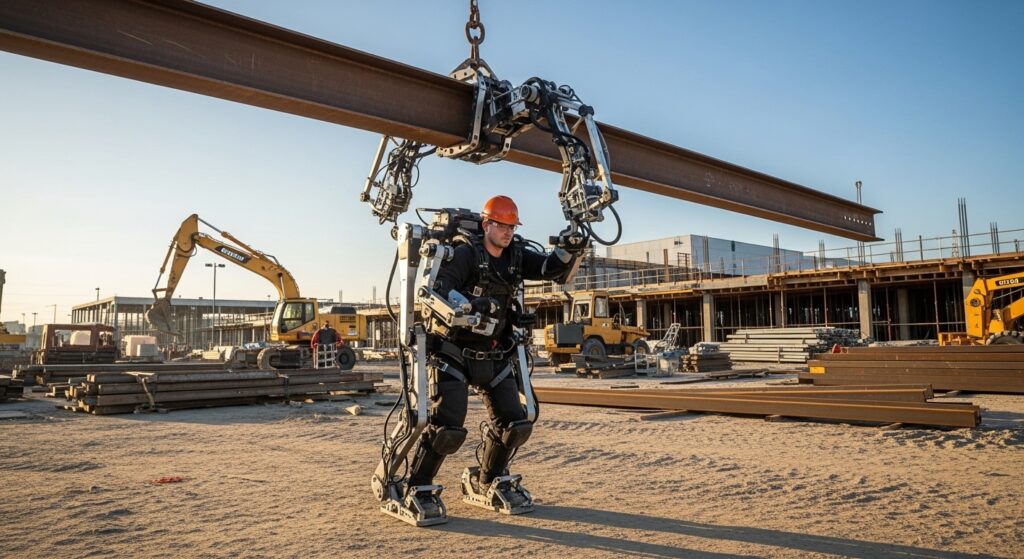
Collaborative robots—”cobots”—work beside crews without getting in the way. These machines save muscles and reduce injuries without needing strict barriers like old industrial robots.
Construction Robotics Companies to Watch
The list of firms building real-site robots isn’t theoretical anymore. Some names making waves:
| Company | What They Do | Why It Matters |
| Canvas | Drywall and finishing robots | Speeds up interior work |
| Built Robotics | Autonomous earthwork | Reduces heavy labor |
| Dusty Robotics | Layout and marking robots | Improves accuracy |
| FBR Hadrian X | Bricklaying at scale | Fast build times |
| ICON | 3D printing robotic systems | Cuts wall costs dramatically |
These companies aren’t just building cool tech—they are providing tools that do real work.
Market Forces Driving Robotics
Several forces are making construction robots practical right now:
- Labor shortages — fewer workers are entering the trade, so automation fills gaps.
- Safety pressures — robots can take dangerous work out of human hands.
- Urban demand — more building means crews need help finishing faster.
- Cost trends — as robots get cheaper and financing improves, more firms are adopting them.
Global construction robotics markets are forecast to grow fast in the next decade as adoption spreads.
Challenges You Still See on Real Sites
Even though robots are gaining ground, there are hurdles:
- Jobsite chaos makes autonomy hard — uneven terrain and constant changes are not robot‑friendly.
- Cost barriers make some tools hard for smaller firms to justify right away.
- Training and maintenance still need real human skill to manage.
So while robots get more capable, they don’t work alone yet. They work best when humans and machines play off each other.
Construction Robotics Trends in the Real World
What feels like hype in marketing becomes real when you see how crews use tech:
- Robots marking up slabs for laying pipes or walls
- Drones mapping progress and feeding that into project plans
- Autonomous excavators prepping sites more consistently than manual crews
What’s interesting is not just what they do, but how crews adapt around them. People figure out better workflows once they trust the tech. And that’s a big shift from a few years ago.
FAQs
What tasks are construction robots best at?
Robots do repetitive, heavy, or dangerous jobs—like bricklaying, concrete prep, drilling, or site layout.
Are robots replacing construction workers?
Not really. They assist crews, take on hard tasks, and let humans focus on decisions and quality.
Are these robots actually in use today?
Yes. Some systems are used regularly on jobsites, not just in labs.
What’s slowing adoption?
Jobsite complexity, cost, and training needs are bigger hurdles than the tech itself.
Will robots be everywhere soon?
Slowly. Adoption will grow as tech gets cheaper, easier to use, and more proven.