
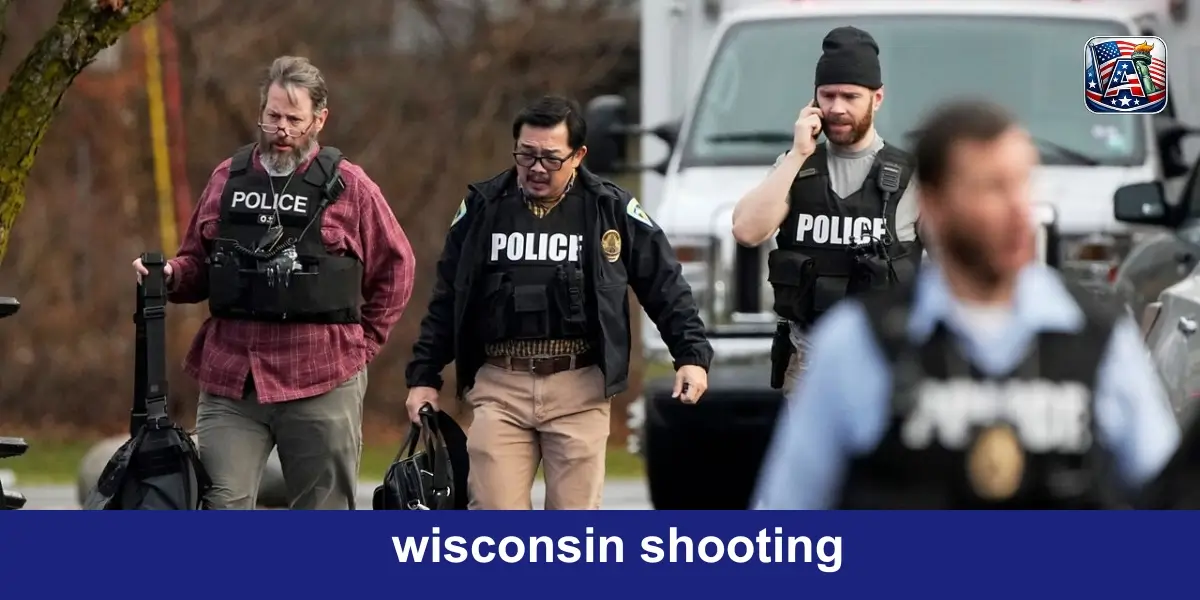
Wisconsin Shooting
February 2026 was a horrible month in Madison, Wisconsin. Two children from the Madison Metropolitan School District were killed in a shooting that horrified the community. The questions, the fear, and the strong feeling that something had gone dreadfully wrong in a place that should have felt secure were just as important as the accident itself.
On February 19, everything occurred. Police hurried to the east side of the city after hearing allegations of a gunshot at East High School. They found a 19-year-old former Capital High School student deceased at the spot, possibly from a gunshot wound to his own body. A 16-year-old kid who was hurt badly died in the hospital. Even though the investigation is still going on, the police think it may be a murder-suicide. Friends, family, and society as a whole have to deal with the impossible.
The effect rippled through the city. Students returned to school with a heavy cloud over them. Teachers tried to carry on, while grappling with their own grief. Families struggled to explain something that felt inexplicable. And across Madison, even people who didn’t know the victims personally felt the weight of loss.
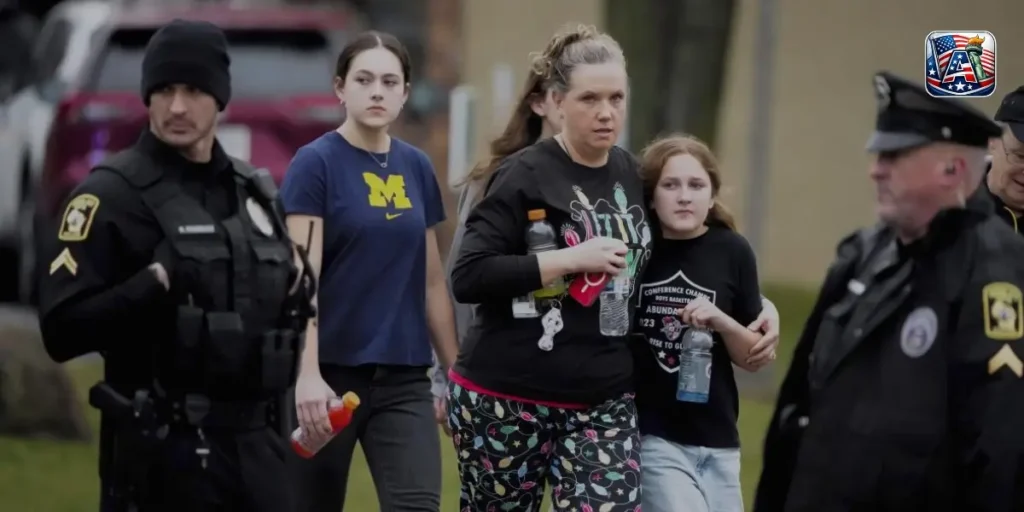
What Happened:
It helps to see how quickly events unfolded:
- February 19, evening: Police respond to gunfire near East High School.
- February 19, on scene: The 19-year-old former Capital High School student is found dead.
- February 19, hospital transport: The 16-year-old student is rushed to hospital.
- February 20: Authorities confirm the 16-year-old has died.
- February 20–21: MMSD sends counsellors, social workers, and psychologists to all schools.
- February 21: Mental health professionals remind the community that hundreds of people can feel the impact, even if they didn’t know the victims.
- February 21 onward: Investigations continue, with police reviewing evidence and speaking with witnesses.
How Schools Responded
The Madison Metropolitan School District acted quickly. Counsellors were available for any student who needed someone to talk to. Teachers were encouraged to keep routines normal — sometimes just getting back to school as usual can give students a little sense of stability.
Adults were told to check in with kids, and not just with a casual “How are you?” but real conversations: “Hey, how are you holding up?” or “Do you want to talk about what happened?” Families were told to watch for small changes — a child who suddenly isolates themselves, stops eating, or seems more irritable than usual.
Support wasn’t just for those directly connected to the victims. MMSD reminded everyone that grief can touch a wide circle and that anyone struggling should feel free to reach out.
The Mental Health Ripple
Experts point out that the fallout from an event like this reaches far beyond the immediate family. Katie Eklund, an educational psychology professor at the University of Wisconsin–Madison, said that every suicide can affect at least 150 people, sometimes more. Friends, classmates, neighbours, and teachers — all of them feel it in one way or another.
Parents were advised to keep talking to their children, over and over if needed, and to create space for them to express feelings — fear, sadness, confusion. Schools opened counselling rooms, hotlines were shared, and mental health professionals encouraged families to be aware of the signs: withdrawal, mood changes, sleep disruptions, and talk of hopelessness.
Wisconsin’s History with Gun Violence
Sadly, this isn’t the first time Wisconsin has faced tragedies like this.
- Oak Creek Sikh Temple, 2012: Six people killed in a hate-driven attack.
- Abundant Life Christian School, 2024: A 15-year-old student killed two classmates and injured six.
- Molson Coors Brewery, 2020: Five employees were killed in a workplace shooting.
- Mayfair Mall, 2020: A public shooting highlighted dangers in crowded spaces.
Each incident left communities grieving and sparked debates on gun access, mental health, and safety measures.
Read more about what happened and how the community is moving forward.
Gun Violence in Wisconsin
Looking at the bigger picture:
- Urban areas like Madison, Milwaukee, and Kenosha have the highest rates.
- Most youth firearm deaths are suicides.
- In 2023, over 760 people died from guns in Wisconsin.
- Firearms are the second leading cause of death for children and teens.
- More than 1,100 people suffered non-fatal firearm injuries in 2025.
It’s not a distant problem; it touches families and neighborhoods every year.
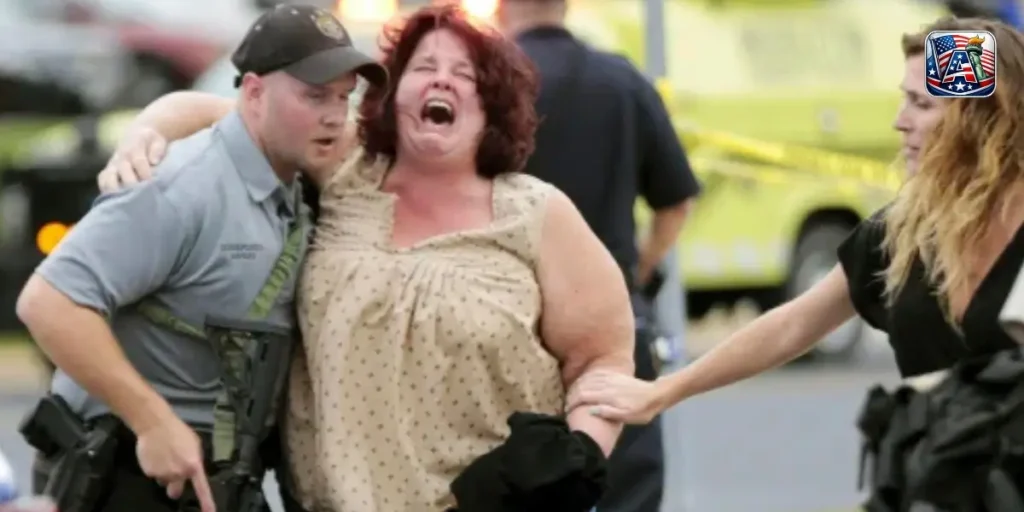
Why These Shootings Happen
There’s rarely a single cause. Usually, it’s a mix:
- Easy access to guns
- Untreated mental health problems
- Family or peer conflict
- Economic stress and social pressure
- Isolation and the influence of social media
Recognising these factors is the first step toward preventing future tragedies.
How the Community Can Prevent Shootings
Wisconsin is trying multiple approaches:
- Expanding counselling and mental health support in schools
- Encouraging safe storage of firearms at home
- Red-flag laws to remove guns from people at risk
- Community programs for mentoring and conflict resolution
- Helping parents have open conversations with kids
- Crisis response training in schools and workplaces
- Public campaigns about warning signs and safety
Wisconsin Shooting Investigation
The Madison Police Department has been clear that the incident is under active investigation, and forensic work, interviews, digital evidence review, and witness testimonies are ongoing. The official classification of a possible murder‑suicide means one victim may have shot the other before taking their own life, but authorities are continuing to verify all details before confirming final conclusions.
Authorities have not publicly released the names of the victims due to privacy protections involving minors and ongoing investigative constraints. Police spokepersons have encouraged any community member with video footage or firsthand accounts to share information to help complete the investigative picture.
Healing and Moving Forward
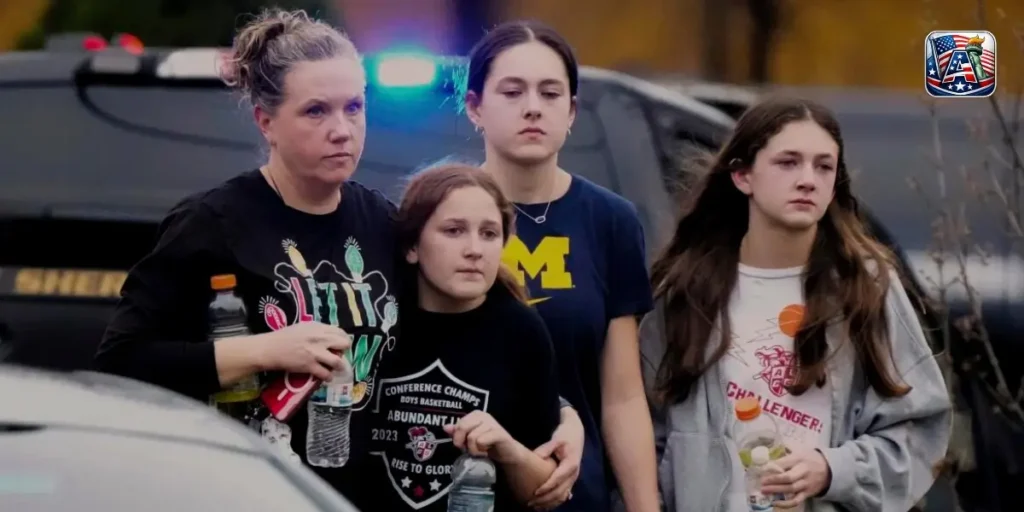
Even as investigations continue, Madison’s community is finding ways to heal. Vigils, memorials, and small gatherings allow people to grieve together. Faith groups, schools, and local organisations are providing counselling and safe spaces.
Media coverage has been careful — avoiding sensationalism while giving facts. Responsible reporting helps communities process events without adding unnecessary fear or trauma.
A City in Reflection
Madison is a city that loves its schools, its community, and its young people. This tragedy has shaken all of that, leaving scars that won’t heal overnight. But the way families, schools, and neighbours have come together shows the resilience of a community determined to protect its youth and support those hurting the most.
Resources like the 988 National Suicide & Crisis Lifeline are available for anyone struggling with grief, anxiety, or other feelings triggered by this event. And while the sadness is real, the city’s response shows that communities can still find strength in each other — even after unimaginable loss.
Conclusion
People in Madison can’t just “move on” from what happened in February 2026. These kinds of things leave marks. They are still with the kids who went to those classes, the teachers who had to find the appropriate words when there weren’t any, and the families who are trying to figure out what happened.There is no one answer to tragedies like these. Gun violence, access to guns, pressure from peers, and mental health problems are all connected. In addition, investigations will ultimately provide light on what happened, but it is harder to deal with the more urgent issues of relief and prevention.
The way the Madison community reacted, though, is interesting. Schools quickly stepped in to help. Parents stepped in to talk about hard things. The neighbors took care of each other. In times like this, that type of kindness is more important than anything else.It takes time to heal, and the pain is genuine. The most important thing to remember is that communities are strongest when they deal with bad things collectively, honestly, and with compassion for the young people who are at the core of it all.
FAQs
What happened in the Madison Wisconsin shooting?
On 19 February 2026, a shooting near East High School in Madison left two teenagers dead. A 19-year-old former Capital High School student died at the scene, apparently from a self-inflicted gunshot, and a 16-year-old current student was critically injured and later died in hospital. Authorities are treating it as a possible murder-suicide.
Who were the victims?
The victims were both connected to Madison Metropolitan School District. One was a former Capital High School student aged 19, and the other was a 16-year-old student currently enrolled at East High School. The identities were confirmed by police and the school district.
How did the community respond?
The community was deeply shaken. Schools brought in counsellors, social workers, and psychologists to support students. Families, teachers, and local organisations held vigils and memorials. Many people checked in on friends and neighbours to make sure everyone had someone to talk to.
What support is available for those affected?
Students, families, and community members could access school-based mental health professionals. Anyone in crisis could reach out to the 988 National Suicide & Crisis Lifeline for free and confidential support, 24/7. Schools encouraged open conversations about feelings and grief.
Why is this incident being called a murder-suicide?
Police are investigating the case as a probable murder-suicide because the 19-year-old former student appears to have taken their own life after fatally shooting the 16-year-old student. Investigations are still ongoing to confirm the sequence of events.
Have shootings like this happened in Wisconsin before?
Yes. Wisconsin has experienced several high-profile shootings in the past, including the Oak Creek Sikh Temple attack in 2012, the Abundant Life Christian School shooting in 2024, and workplace shootings like the Molson Coors incident in 2020. These events have led to ongoing discussions about gun safety and mental health support.
How can parents help their children cope?
Parents are encouraged to talk openly and honestly with their children, watch for changes in mood or behaviour, and provide a safe space to express emotions. Keeping routines consistent and limiting exposure to graphic media can also help children feel more secure during such times.
What is being done to prevent similar tragedies?
Schools and authorities are focusing on mental health programs, counselling, crisis response training, and public awareness campaigns. Community programs for mentorship, conflict resolution, and safe firearm storage are also being promoted. Red-flag laws help remove guns from people at risk, and ongoing community efforts aim to support youth and prevent violence.