
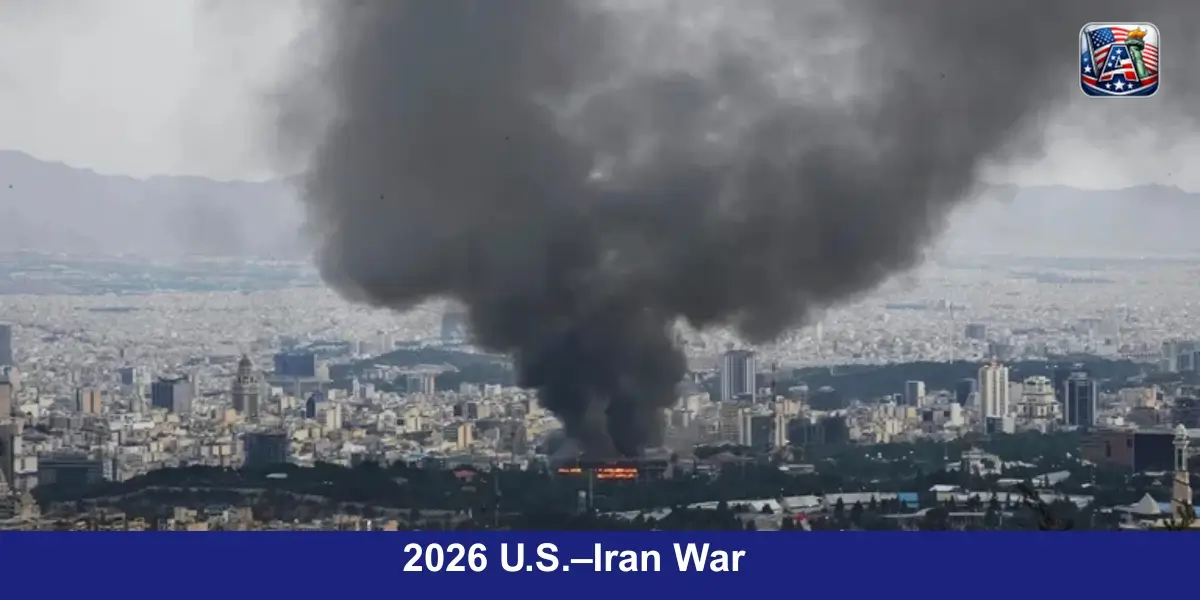
2026 U.S.–Iran War
In late February 2026, a dramatic escalation erupted between the United States, Israel, and the Islamic Republic of Iran, transforming long‑running tensions into open warfare. What began as prolonged diplomatic disputes over Iran’s nuclear and missile programs and regional interference suddenly became a historic and intense military confrontation involving massive coordinated strikes, the assassination of Iran’s Supreme Leader, confirmed U.S. troop casualties, multi‑nation retaliation, seismic disruptions in global energy systems, and mounting humanitarian crises. This blog offers an in‑depth, current, and verified account of how the war unfolded, what it means for the Middle East and the world, and where it might lead.
Historical Background — Rising Tensions and Failed Diplomacy
The U.S.–Iran geopolitical rivalry dates back to the 1979 Iranian Revolution, which severed diplomatic ties and created a legacy of mutual distrust. Over decades, the United States has criticized Iran for its nuclear ambitions, ballistic missile development, and support for armed groups and militias across the Middle East. Iran viewed U.S. military presence and alliances with regional powers as threats to its own security and influence.
Efforts to limit Iran’s nuclear program through the 2015 Joint Comprehensive Plan of Action (JCPOA) temporarily eased tensions but collapsed when the United States withdrew in 2018. In the following years, Iran accelerated uranium enrichment and missile development, drawing renewed sanctions and diplomatic deadlock. By early 2026, negotiations to constrain Iran’s programs had failed, and both sides moved toward far more aggressive postures. The backdrop included Iran’s internal unrest, years of proxy conflicts, and increased U.S. military deployments to the Gulf.
This environment — charged with mistrust and strategic competition — set the stage for the military operations that followed.
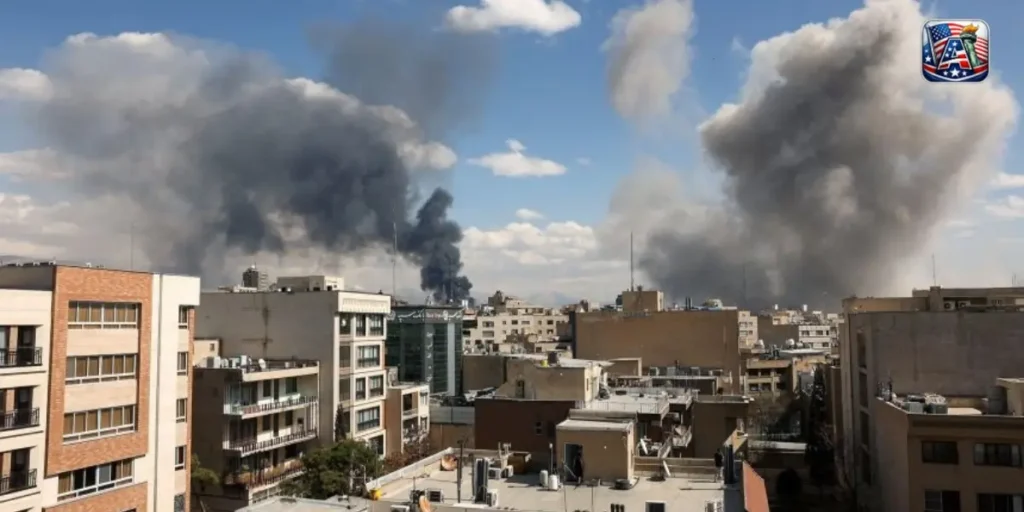
Operation Epic Fury — The Beginning of the War 2026 U.S.–Iran War
On February 28, 2026, the United States and Israel launched a major military offensive against Iran, marking a dramatic escalation that quickly turned diplomatic tensions into armed conflict. The U.S. dubbed its component Operation Epic Fury, while Israel described its contribution as Operation Lion’s Roar. These coordinated strikes targeted hundreds of Iranian military bases, missile launch sites, radar and air defense installations, and command centers across the country.The initial phase involved extensive air and missile bombardments backed by intelligence assets and long‑range precision weapons.
According to reports, dozens of targets were struck across multiple Iranian provinces, including deep inside strategic urban and military areas. Experts described the campaign as one of the most ambitious joint military efforts against Iran since the 1980s.The strikes were intended to degrade Iran’s military capabilities, counter missile threats, and disrupt its ability to project power regionally. U.S. policymakers framed the operation as a necessary but high‑risk approach to neutralize what they perceived as existential threats from Tehran’s missile expansion, proxy warfare, and potential nuclear ambitions.
The Assassination of Supreme Leader Ayatollah Ali Khamenei
One of the most consequential developments in the first hours of the war was the reported assassination of Iran’s Supreme Leader, Ayatollah Ali Khamenei. According to multiple sources, the joint U.S.–Israeli strikes specifically targeted and killed Khamenei along with several other senior figures within the Iranian leadership structure. The death of the Supreme Leader — Iran’s highest authority — sent shockwaves through the Middle East and beyond.Iran’s state media later confirmed the death and announced mourning and transitional governance arrangements, including a temporary leadership council pending the selection of a successor.
The operation also reportedly killed family members of Khamenei, including his daughter and grandchild, adding to the already deep tensions and claims of civilian casualties.The assassination marked a dramatic departure from mere strategic strikes to a deliberate decapitation of Iran’s political command structure. It signaled an intention by the United States and its partners not only to degrade military capabilities but also to fundamentally challenge the Iranian regime’s command hierarchy.
U.S. Military Casualties and Escalating Combat
The conflict quickly turned deadly for American forces. On March 1, 2026, U.S. Central Command confirmed that three U.S. service members were killed and five others were seriously wounded during combat operations connected to the joint offensive against Iran. This marked the first confirmed American combat fatalities in the conflict.The Pentagon reported that these casualties occurred amid Iranian retaliatory operations targeting U.S. bases and personnel. Some of the killed service members were part of logistics and support units deployed in the Gulf, highlighting that even non‑frontline units faced significant danger as Iranian forces struck back aggressively. Additional U.S. personnel sustained minor shrapnel injuries and concussions.
President Donald Trump publicly acknowledged the loss of life, honoring the fallen on social media and warning that further American casualties were “likely” before the conflict’s end. He framed the campaign as necessary for the U.S.’s national security and the protection of its allies, underscoring the strategic stakes involved.Despite Tehran’s claims of inflated U.S. casualties — such as statements from the Revolutionary Guard that 560 U.S. soldiers were killed or wounded — U.S. officials rejected these figures and emphasized verified reporting.
Iran’s Retaliation and Regional Spread of Conflict
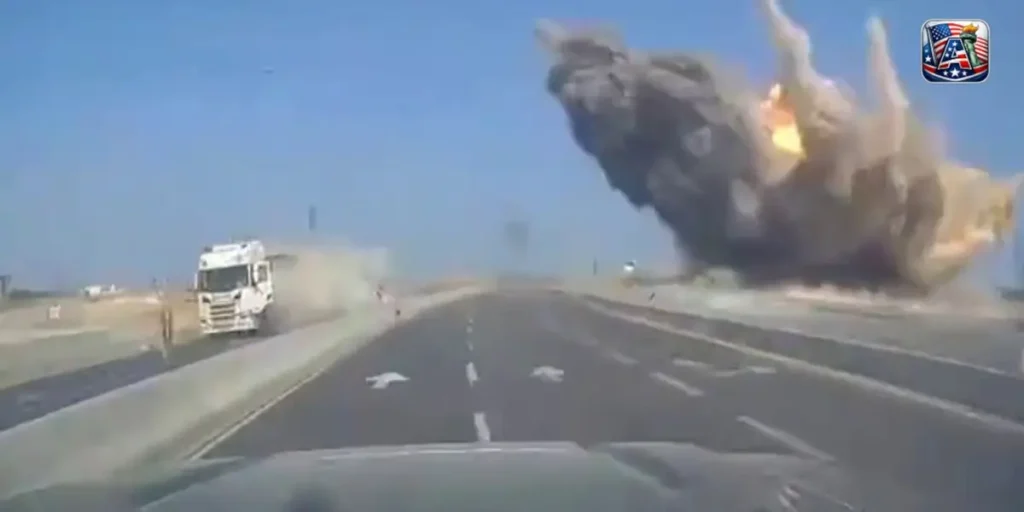
Following the initial strikes, Iran responded with a barrage of ballistic missiles, armed drones, and other weapon systems aimed at military bases hosting U.S. and allied forces. Tehran’s military forces, including the Islamic Revolutionary Guard Corps (IRGC), launched attacks on U.S. installations throughout the Gulf region, reflecting an escalation beyond the Iranian mainland.
Iran also targeted Gulf states hosting U.S. forces. In the United Arab Emirates, ballistic missile and drone strikes killed at least three foreign workers — Pakistani, Nepali, and Bangladeshi nationals — and injured dozens of others as debris and explosions struck residential areas and cities near major airports.
Iran’s retaliation extended beyond direct confrontation with U.S. forces, as pro‑Iran proxy groups and allied militias became more active. Hezbollah in Lebanon, for example, engaged in rocket fire toward Israel, opening additional fronts and heightening the potential for a multi‑directional conflict. Experts noted that the war had rippled across the region, involving a broad network of state and non‑state actors.
Beyond military operations, Tehran also issued warnings regarding global trade routes. The IRGC effectively closed the Strait of Hormuz, a critical maritime chokepoint through which a significant portion of the world’s oil exports pass. This closure severely disrupted shipping, triggered spikes in energy prices, and raised fears of prolonged supply chain instability.
Major Military Operations and Strategic Targets
The U.S.–Israeli offensive targeted a wide array of facilities inside Iran:
- Missile launch sites and ballistic missile infrastructure across multiple provinces
- Radar and air defense installations designed to protect Iranian airspace
- Command and control centers linked to the Revolutionary Guard and Iranian military
- Logistical hubs and surface vessels in the Persian Gulf
Reports indicate that more than 1,000 individual targets were struck within the operation’s first days. Independent tracking and military analysts noted strikes against installations in Tehran, Kermanshah, Shiraz, Mashhad, and other major locations, as well as engagements with Iranian aerial assets.
In addition to land‑based targets, U.S. forces reportedly sank several Iranian naval vessels, further undermining Tehran’s capacity to control its territorial waters and influence maritime routes. President Trump claimed that nine Iranian warships were destroyed and that the Iranian naval headquarters had been heavily damaged.These operations combined airpower, missile strikes, and naval engagements to apply multifaceted pressure on Iran’s military and strategic capabilities.
Read more about the 2026 U.S.–Iran conflict and its global impact here.
Civilian Casualties and Humanitarian Consequences
The human cost of the conflict has been profound. Verified reports suggest hundreds of Iranian civilians and military personnel have been killed or wounded in the strikes and subsequent combat operations. Civilian infrastructure has suffered damage, from homes and schools to essential service facilities. In particular, the attack on a girls’ school in Minab reportedly resulted in massive casualties, with significant numbers of children among the dead. Although exact figures vary according to different sources, the sheer scale of violence has raised urgent humanitarian concerns.
Hospitals and medical centers throughout Iran have been overwhelmed, struggling to provide care amid shortages of supplies and disrupted logistics. Displaced families are moving away from combat zones, creating internal displacement pressures. International humanitarian organizations have urgently appealed for protected corridors and relief access to assist civilians affected by the fighting.
Beyond Iran, civilian casualties have occurred in neighboring countries due to Iranian strikes targeting regional infrastructure. In the UAE, Iran’s missile debris and drone fragments struck urban areas, causing deaths and injuries among foreign workers — underscoring how civilian populations not directly involved in the conflict have suffered losses.The humanitarian crisis is exacerbated by closures of airspace and disruptions to transport routes, leaving many ordinary travelers and residents in volatile conditions with limited access to essential goods.
Political Reactions in the United States
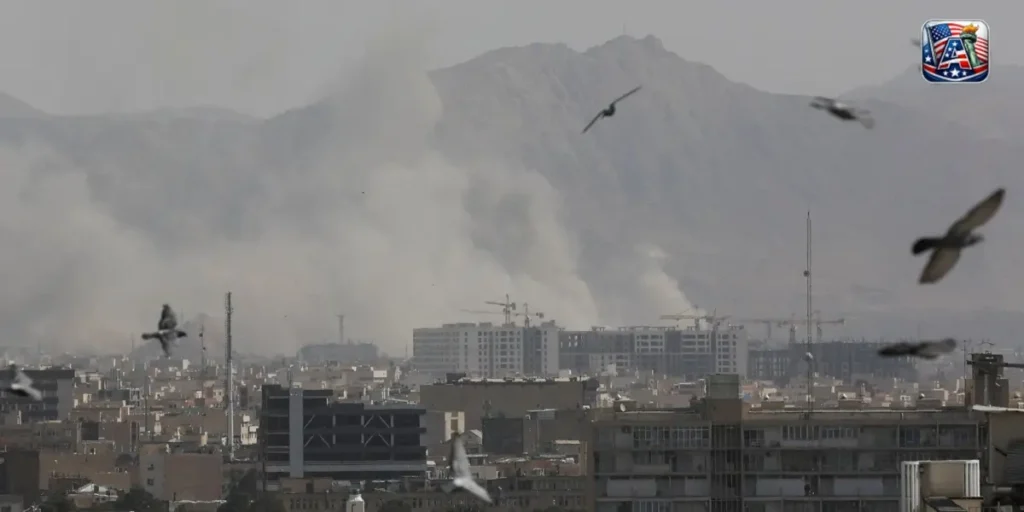
The conflict has provoked intense political discussions in Washington and across the United States. Domestic opinion appears deeply divided, with Reuters/Ipsos polling indicating that only approximately 27 percent of Americans support the strikes on Iran. Many citizens expressed concern about prolonged engagement, uncertain objectives, and the risk of expanding military commitments.
Lawmakers in both parties have expressed frustration with the lack of a clear “day after” strategy. Critics argue that while military objectives may be defined, there is limited articulation from the administration about long‑term goals once the immediate combat phase concludes. Members of Congress also emphasized the importance of supporting U.S. service members and ensuring adequate care and protection.
President Trump, on the other hand, defended the operations, framing them as crucial to U.S. national security and regional stability. He reiterated that casualties, while regrettable, were an expected part of war and pledged that U.S. forces would continue their mission until objectives were achieved.
International Responses and Diplomatic Concerns
The global reaction has been varied but largely cautious. The United Nations Security Council convened emergency sessions as the crisis deepened, with many countries urging restraint and humanitarian protection. European nations stressed the need for diplomatic solutions and warned against further escalation.Russia and China offered strong criticism of the U.S.–Israeli strikes, describing them as violations of international law and urging an immediate halt to hostilities. Regional organizations and countries pushed for de‑escalation, while others reaffirmed their defense postures in light of rising tensions.
Gulf Cooperation Council states, hosting U.S. bases and military infrastructure, have supported defensive efforts while simultaneously expressing concern over the conflict’s spillover effects, including threats to security, trade, and civilian life.
Economic Implications and Global Trade Disruptions
The closure of the Strait of Hormuz significantly disrupted global energy supplies and raised oil prices. As one of the world’s most crucial trade chokepoints, its blockage forced tankers to reroute around Africa, increasing shipping times and costs. Market reactions included heightened volatility, especially in energy futures and international financial markets.Air travel was also affected as countries in and around the Middle East closed airspace due to missile threats and military activity.
Commercial airlines canceled flights, leaving thousands of passengers stranded or rerouted.Shipping insurance premiums surged as risks increased for vessels operating near conflict zones. The economic effects extended far beyond the Middle East, impacting global trade, manufacturing supply chains, and energy markets amid broader inflationary pressures.
Future Scenarios: Escalation, Ceasefire, or Stalemate
Military and geopolitical analysts outline several potential trajectories for the conflict:
A continued escalation scenario involves intensified air operations, further Iranian retaliation, and regional expansion involving militia groups and allied forces. This path poses significant risks of broader war with unpredictable outcomes.A diplomatic resolution scenario would require sustained pressure from global powers and international mediators to broker a ceasefire, possibly under United Nations or multinational auspices. This could involve phased disengagement, negotiated limits, and humanitarian commitments.A protracted stalemate scenario envisions ongoing tension with reduced active combat but persistent hostility, intermittent skirmishes, and a long‑term security crisis that affects regional politics and diplomacy for years.
Conclusion — A Conflict That Will Reshape History
The 2026 U.S.–Iran war has already marked one of the most serious conflicts in modern Middle Eastern history. The assassination of Iran’s Supreme Leader, confirmed U.S. military casualties, widespread civilian suffering, and global economic impact underscore the scale and gravity of this confrontation. Retaliatory strikes, regional escalation, and international diplomatic responses have made the crisis a central global concern.
As the fighting continues, the world watches not just the unfolding military operations but also the political decisions that will determine regional stability, the survival of civilian life, and the future of international security in this volatile era.
FAQs About the 2026 U.S.–Iran War
What caused the 2026 U.S.–Iran War?
The 2026 U.S.–Iran War was triggered by the collapse of diplomatic talks over Iran’s nuclear program, its missile development, and long-standing regional tensions. Coordinated military strikes by the U.S. and Israel escalated the conflict into open warfare.
When did the 2026 U.S.–Iran War begin?
The conflict began on February 28, 2026, when the United States and Israel launched a series of coordinated airstrikes and missile attacks targeting Iranian military infrastructure and strategic command centers.
Who are the main parties involved in the 2026 U.S.–Iran War?
The main parties are the United States and Israel on one side, and Iran, including its Revolutionary Guard Corps and allied militia groups, on the other. Several regional countries have been affected indirectly by missile and drone attacks.
What are the confirmed casualties in the 2026 U.S.–Iran War?
As of March 2026, the United States has confirmed three military personnel killed and five seriously wounded. Iranian casualties, including civilians and military personnel, are estimated to be in the hundreds, with major incidents like the Minab school attack causing significant civilian deaths.
How has the 2026 U.S.–Iran War impacted the Middle East?
The war has caused regional escalation, missile attacks on Gulf states, heightened proxy conflicts, and increased tensions along Israel’s borders. Key shipping routes like the Strait of Hormuz have been disrupted, affecting global trade and energy markets.
What humanitarian consequences have resulted from the 2026 U.S.–Iran War?
The conflict has caused hundreds of civilian deaths, injuries, displacement, and destruction of infrastructure. Hospitals in Iran are overwhelmed, and international organizations are calling for safe humanitarian corridors to assist affected populations.
How has the international community responded to the 2026 U.S.–Iran War?
The United Nations and several European nations have called for restraint and humanitarian protection. Russia and China criticized the strikes, while regional allies of the U.S. have reinforced defensive measures.
What could happen next in the 2026 U.S.–Iran War?
Experts predict three potential scenarios: continued escalation with expanded military operations, diplomatic mediation leading to a ceasefire, or a protracted stalemate with ongoing tensions and intermittent clashes across the region.