
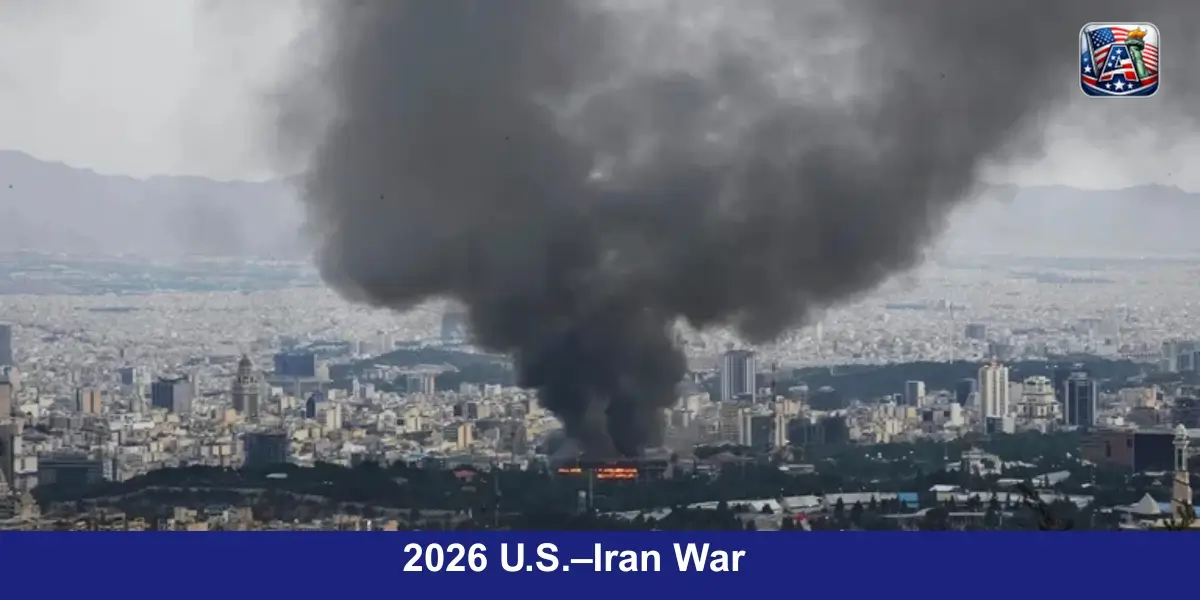
2026 U.S.–Iran War
The 2026 U.S.–Iran War has emerged as one of the most significant geopolitical crises in recent years, involving escalating maritime tensions in the Strait of Hormuz, intensified US naval enforcement operations, and growing internal political realignment within Iran’s leadership structure. According to regional intelligence assessments and diplomatic reporting, the situation reflects a multi-layered conflict involving military pressure, economic disruption, and internal decision-making shifts inside Iran’s political and security establishment. While some developments remain unverified or based on conflicting reports, analysts suggest that the trajectory of the conflict is reshaping regional security dynamics and global energy stability.
Strategic Importance of the Strait of Hormuz
The Strait of Hormuz continues to serve as a critical chokepoint for global energy transportation, with a significant portion of international oil shipments passing through this narrow maritime corridor.
Recent developments indicate that Iranian authorities have reportedly reinforced their operational control mechanisms in the region. According to regional sources, discussions within Iran’s security establishment include new frameworks for regulating maritime traffic and asserting greater oversight over vessels transiting the strait.
Key strategic concerns include:
- Potential restrictions on commercial shipping movement
- Increased maritime inspections and regulatory enforcement
- Rising naval presence from multiple international actors
- Risk of accidental confrontation between military forces
Energy analysts warn that even partial disruption of this route could significantly impact global oil pricing and supply chains.
US Maritime Enforcement and Naval Operations
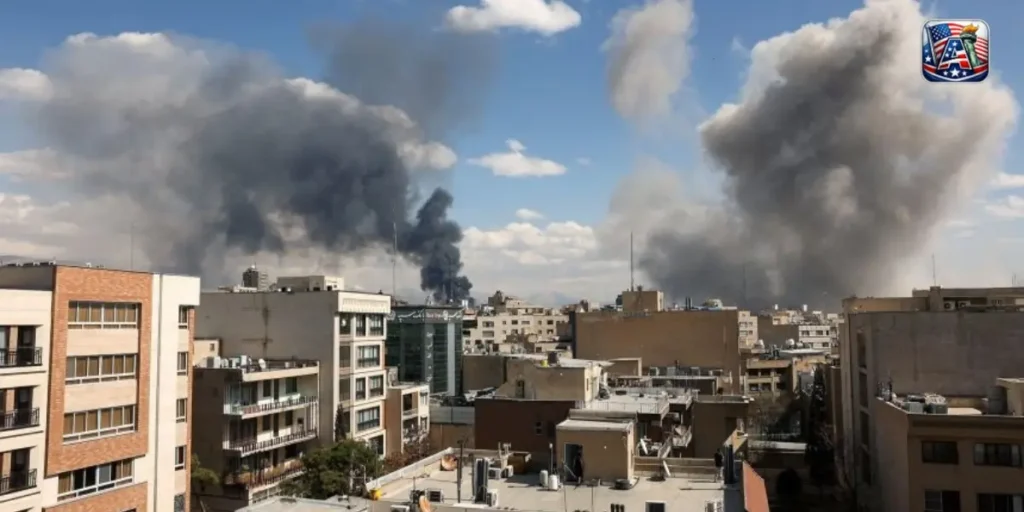
US Central Command (CENTCOM) has reportedly expanded maritime enforcement operations in response to increased tensions in the Gulf region.
According to operational updates and defense-linked reporting, US naval forces have intensified monitoring of vessels suspected of involvement in sanctioned oil transport activities.
Reported actions include:
- Diversion and inspection of commercial vessels
- Enforcement of maritime restrictions on Iranian-linked shipping routes
- Increased naval patrols in the Persian Gulf
- Coordination with allied regional defense forces
Officials familiar with the operations suggest that these measures are intended to restrict revenue flows linked to Iranian oil exports while maintaining freedom of navigation for legitimate commercial trade.
Internal Political Realignment Inside Iran
Alongside external military pressure, Iran is reportedly experiencing internal political and institutional realignment within its leadership structure.
Consolidation of Hardline Influence
According to multiple regional assessments, hardline factions within Iran’s political and military system have increased their influence over strategic decision-making. This includes control over:
- Nuclear policy direction
- Missile development strategy
- Regional security posture
- Maritime enforcement decisions
Analysts suggest this shift has reduced the influence of more pragmatic diplomatic factions.
Coordination Among Key Officials
Reports indicate closer coordination between Iran’s Foreign Ministry and senior security institutions. Foreign Minister Abbas Araghchi is reportedly operating in alignment with senior IRGC-linked strategic decision channels.
Some sources claim that diplomatic engagement has become more centralized, with security institutions playing a stronger role in shaping foreign policy decisions.
Internal Government Tensions
Despite outward unity, internal disagreements reportedly persist between political institutions and security leadership structures.
Parliamentary and executive-level figures, including Mohammad Bagher Ghalibaf and President Masoud Pezeshkian, are said to have expressed concern over increasing concentration of decision-making authority, according to informed regional sources.
However, these concerns remain largely internal and have not been publicly escalated.
Military Escalation and Regional Security Risks
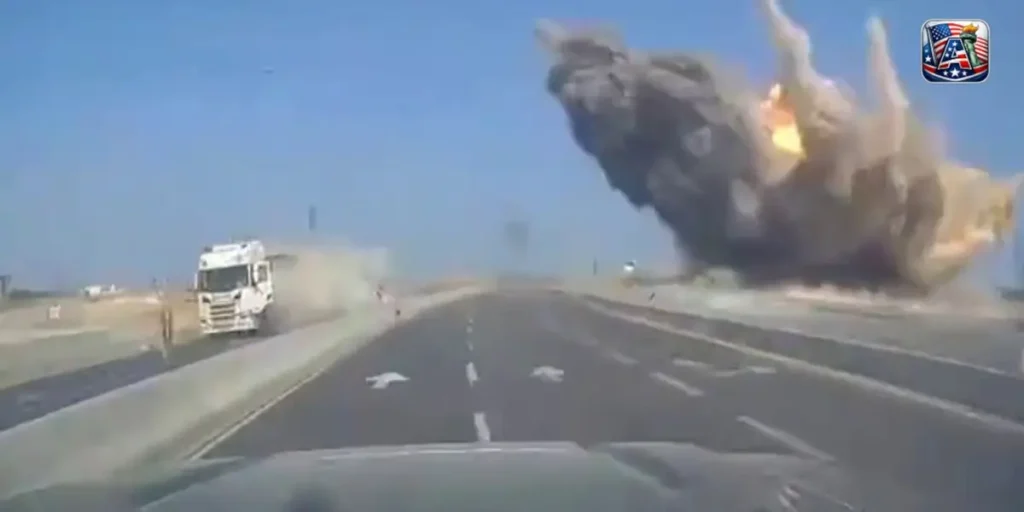
The 2026 U.S.–Iran War has contributed to heightened military alertness across the Middle East region. Security analysts report increased readiness levels among multiple regional defense forces due to the possibility of indirect escalation.
Key concerns include:
- Drone and missile-related incidents in sensitive zones
- Maritime security threats in Gulf shipping lanes
- Proxy group activity across regional conflict zones
- Risk of miscalculation between military forces
Several Gulf states hosting foreign military installations have reportedly increased defensive measures in response to rising uncertainty.
Impact on Global Energy Markets
One of the most immediate consequences of the conflict is its impact on global energy markets. The Strait of Hormuz remains a critical route for oil transportation, making it highly sensitive to geopolitical instability.
Potential global effects include:
- Increased volatility in oil prices
- Rising shipping and maritime insurance costs
- Disruptions in global supply chains
- Inflationary pressure in energy-importing economies
Energy market analysts warn that even temporary disruptions could trigger rapid global price fluctuations due to limited alternative shipping routes.
Maritime Security and Economic Pressure Strategy
US enforcement actions in maritime zones have reportedly placed significant pressure on shipping networks linked to Iranian oil exports.
According to regional assessments, enforcement measures have led to:
- Reduced accessibility for certain maritime trade routes
- Increased inspections of cargo vessels
- Heightened compliance monitoring of shipping activity
At the same time, Iranian leadership continues to assert its strategic role in regional maritime governance, contributing to ongoing operational tension.
Diplomatic Developments and International Response
The international community continues to closely monitor the evolving situation. Several global actors have expressed concern regarding escalation risks and broader implications for international trade.
Key diplomatic trends include:
- Calls for de-escalation from international organizations
- Ongoing mediation efforts through regional intermediaries
- Divergent positions among global powers on military actions
- Emphasis on maritime stability and trade security
Despite diplomatic engagement, no comprehensive resolution framework has yet been achieved.
Timeline of Recent Developments (Summary)
Recent reported developments in the 2026 U.S.–Iran War include:
- Increased maritime enforcement operations in the Gulf region
- Heightened Iranian regulatory posture in the Strait of Hormuz
- Internal coordination shifts within Iran’s leadership structure
- Rising concerns over global oil supply stability
- Expansion of naval surveillance and inspection activity
While some reports remain unverified, analysts suggest that the overall trajectory indicates continued strategic tension.
Possible Future Scenarios
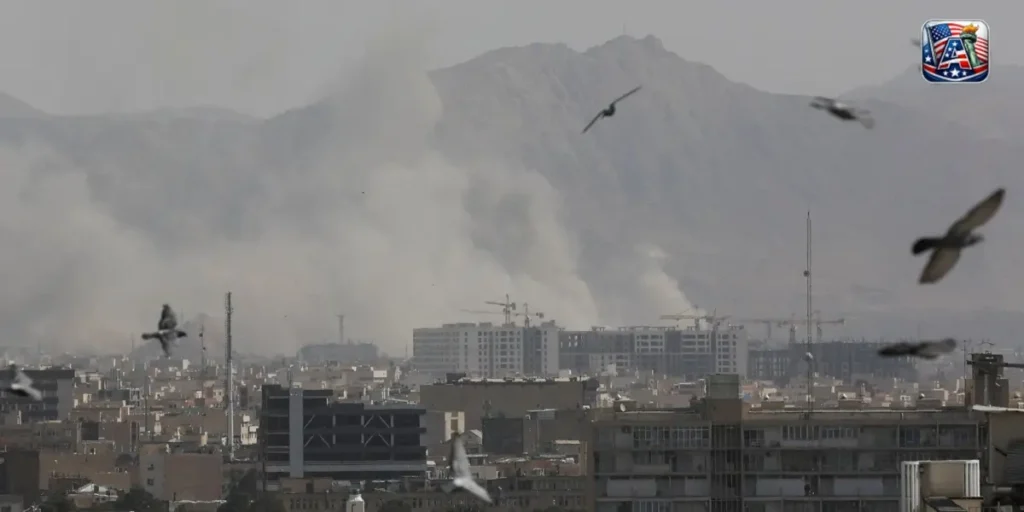
Experts generally outline three primary scenarios for the evolution of the conflict:
1. Escalation Scenario
Military and political tensions expand further, potentially affecting broader regional stability.
2. Controlled Stalemate Scenario
Both sides maintain strategic pressure without entering full-scale conflict, resulting in prolonged instability.
3. Diplomatic De-escalation Scenario
International mediation leads to reduced tensions and partial restoration of negotiation frameworks.
Each scenario carries significant implications for global energy markets and geopolitical stability.
Conclusion
The 2026 U.S.–Iran War represents a complex and evolving geopolitical crisis involving maritime security tensions, internal political restructuring within Iran, and expanded US enforcement operations in strategic shipping routes.
The Strait of Hormuz remains the central focal point of the conflict, while internal leadership dynamics in Iran continue to influence broader regional policy decisions. As developments continue to unfold, the balance between escalation and diplomatic containment will determine both regional stability and global economic outcomes.
FAQs About the 2026 U.S.–Iran War
What caused the 2026 U.S.–Iran War?
The 2026 U.S.–Iran War was reportedly triggered by escalating tensions over Iran’s nuclear program, missile development, and regional influence. Failed diplomatic negotiations and increasing military actions in the Gulf region further contributed to the conflict.
When did the 2026 U.S.–Iran War begin?
According to multiple reports, the conflict escalated into open confrontation in early 2026, following a series of military operations and rising tensions in the Strait of Hormuz.
Why is the Strait of Hormuz important in this war?
The Strait of Hormuz is a critical global oil shipping route. Any disruption in this area can affect global energy supply, increase oil prices, and impact international trade, making it a central focus in the conflict.
How is the United States involved in the conflict?
The United States is involved through naval operations, maritime enforcement actions, and strategic military positioning in the Gulf region, aimed at maintaining security and restricting certain Iranian activities.
What role does Iran’s leadership play in the war?
Iran’s leadership, including political and military institutions, is shaping the country’s response to external pressure. Reports suggest increasing influence of hardline factions in strategic decision-making.
What impact does the war have on global oil prices?
The conflict has created uncertainty in global energy markets. Any disruption in oil transportation through the Strait of Hormuz can lead to increased oil prices and economic instability worldwide.
Could the 2026 U.S.–Iran War expand into a larger conflict?
Analysts suggest that there is a risk of escalation involving regional actors and allied groups. However, diplomatic efforts are ongoing to prevent a wider conflict.
What are the possible outcomes of the 2026 U.S.–Iran War?
Experts outline three possible outcomes: escalation into a broader conflict, a prolonged stalemate with ongoing tensions, or diplomatic resolution through international mediation.