
Last Updated: April 2026
Ron DeSantis News 2026
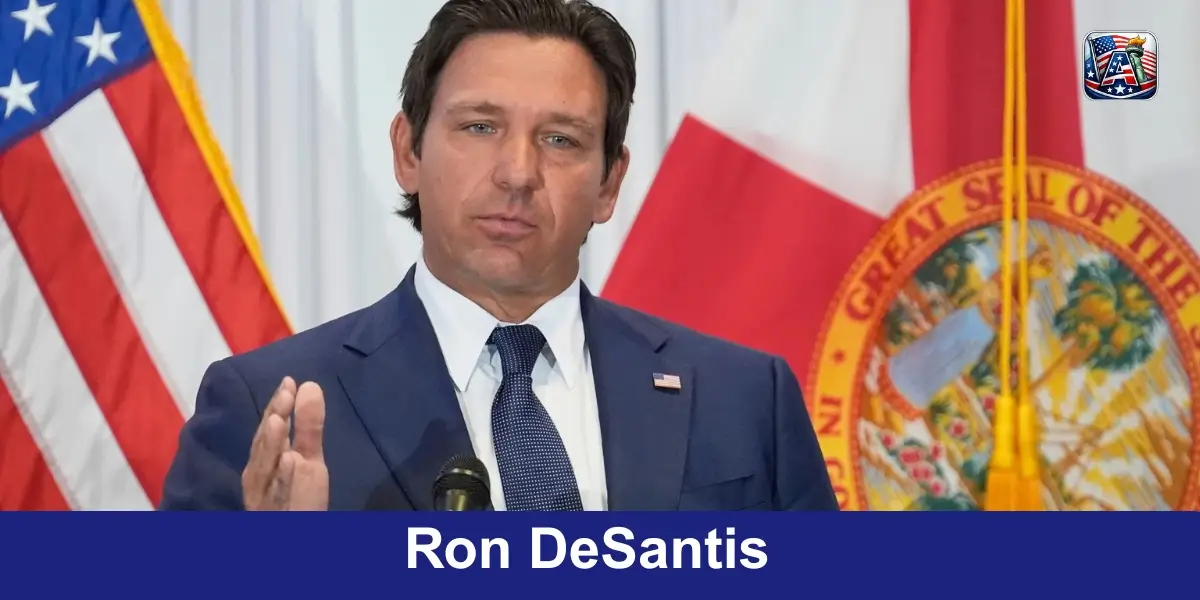
Florida Governor Ron DeSantis has once again emerged as one of the most talked-about political figures in the United States in 2026. His recent policy decisions have triggered widespread national debate, especially around issues related to diversity programs, voting regulations, and congressional redistricting.
Over the past few weeks, Florida has introduced a series of controversial legislative changes that have placed the state at the center of American political discussions. These developments are not isolated policy updates; instead, they represent a broader political strategy that could influence upcoming elections, legal frameworks, and national party dynamics.
From DEI restrictions to voting law reforms and redistricting battles, the decisions made under DeSantis’s leadership are shaping how both supporters and critics view the future of governance in Florida.
Florida DEI Law Becomes a National Controversy
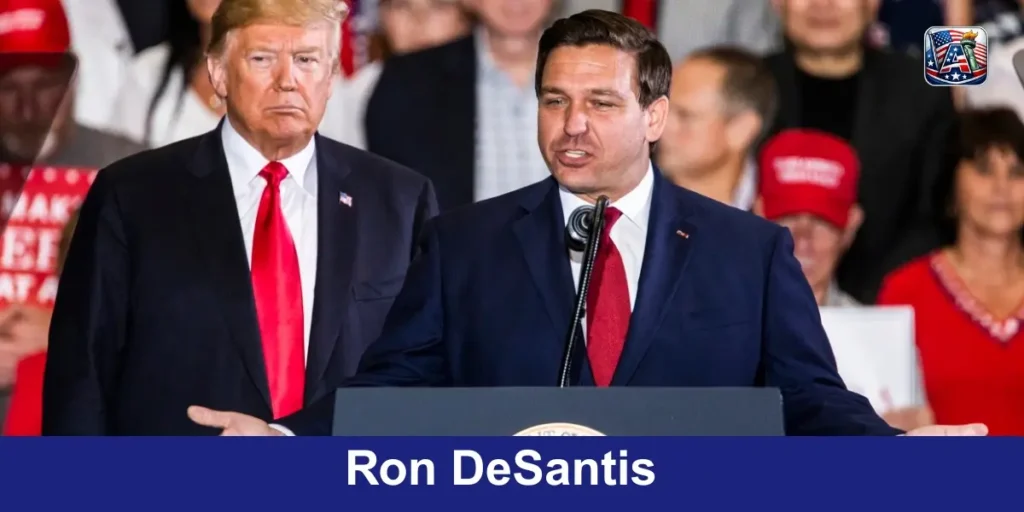
One of the most significant developments in April 2026 is the signing of a new law by Governor Ron DeSantis that restricts local governments from funding or promoting diversity, equity, and inclusion (DEI) programs.
The law represents one of the strongest state-level actions against DEI initiatives in the United States so far. It allows the state government to take legal action against local officials who are found to be using public funds for such programs, and in some cases, those officials may even face removal from office.
Supporters’ Perspective
Supporters of the law argue that it is designed to ensure fairness in government operations. According to them, taxpayer money should be used for essential services rather than ideological programs. They also claim that the law helps eliminate bias in public institutions and promotes neutrality in governance.
From their perspective, DEI programs have become politically charged, and restricting them is a way to restore balance in state administration.
Critics’ Perspective
However, critics strongly disagree. Many civil rights organizations, educators, and political opponents argue that the law could reduce efforts aimed at promoting inclusion in workplaces and public institutions.
They believe that DEI programs help address historical inequalities and improve representation for minority communities. Critics also warn that the law could discourage diversity-focused initiatives in education, government hiring, and public services.
This disagreement has turned the DEI law into one of the most divisive political issues in Florida in 2026.
Stricter Voting Laws and Citizenship Requirements
Another major policy change introduced in Florida involves stricter voter registration rules, particularly requiring proof of U.S. citizenship for new voters.
State officials say the purpose of this law is to protect election integrity and ensure that only eligible citizens participate in voting. They argue that this step will strengthen public trust in the electoral system and reduce the possibility of fraud.
Concerns from Voting Rights Groups
Despite these claims, voting rights organizations have raised serious concerns. They argue that the new requirements may create unnecessary barriers for eligible voters, especially those who may not have easy access to citizenship documentation.
Groups representing minority communities, elderly voters, and first-time voters have expressed concern that the law could disproportionately affect certain populations.
A legal challenge has already been filed, and the case is expected to move through the court system in the coming months. The outcome of this case could have significant implications not only for Florida but also for other states considering similar laws.
Florida Redistricting Plan Sparks Political Tension
One of the most politically sensitive developments in 2026 is Florida’s decision to redraw its congressional district boundaries ahead of the upcoming elections.
Governor DeSantis has called for a special legislative session to revise district maps. This process, known as redistricting, typically occurs every ten years based on census data. However, the timing and political context of this move have made it highly controversial.
Supporters’ View
Supporters argue that redistricting is a necessary step to ensure fair representation. They claim that population shifts require updated district boundaries so that each vote carries equal weight. They also argue that the process is legally justified and follows constitutional requirements.
Opposition Concerns
Opponents, however, believe that the redistricting plan is politically motivated. They argue that it may be designed to strengthen Republican control in key districts, potentially influencing election outcomes in favor of one party.
Legal experts suggest that if challenged in court, the plan could face scrutiny over fairness, representation, and potential gerrymandering concerns.
Increasing Political Polarization in the United States
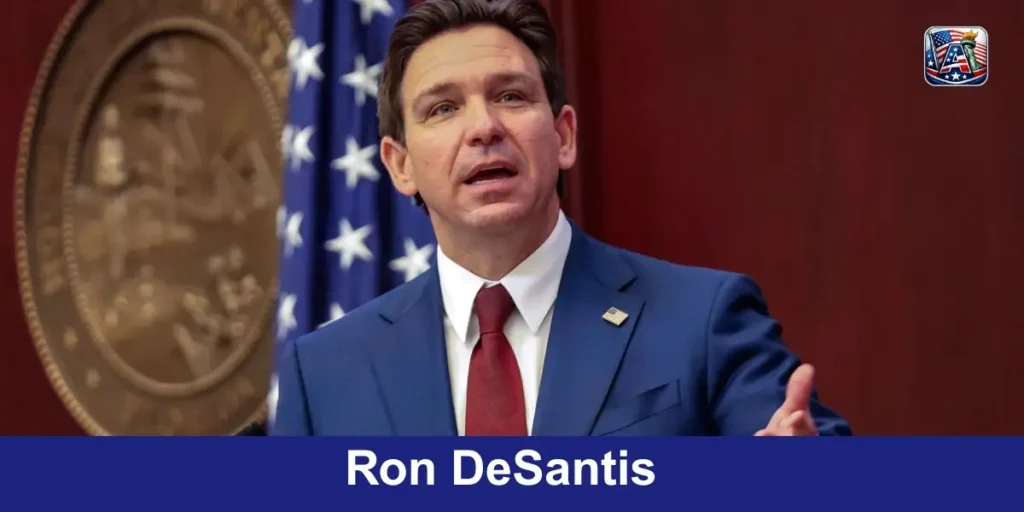
The combination of DEI restrictions, voting law changes, and redistricting efforts has significantly increased political polarization in Florida and across the United States. Republican leaders have praised Governor DeSantis for taking strong action on issues they consider essential for governance, including election integrity and government accountability.
On the other hand, Democratic leaders argue that these policies could shift political power, reduce inclusivity, and create legal barriers for voters. This growing divide reflects a broader national trend in American politics, where policy decisions are increasingly viewed through a partisan lens.
As the 2026 election cycle approaches, Florida is expected to remain one of the most closely watched political battleground states.
Impact on Citizens and Communities
These policy changes are not limited to political debates; they may also have real-world consequences for everyday citizens.
Voters
Voters in Florida may experience changes in how they register, vote, and are represented due to new laws and redistricting changes.
Students and Educational Institutions
Educational institutions may need to adjust policies related to diversity programs, hiring practices, and student support systems.
Local Governments
Local governments may face new restrictions on funding and program development, especially in areas related to DEI initiatives.
Communities
Communities across Florida may experience changes in representation depending on how new district boundaries are drawn.
Legal Challenges and Future Uncertainty
Several of the recent policy changes introduced in Florida are currently facing or are expected to face legal challenges. The voting law requiring proof of citizenship has already been challenged in court, and similar opposition is likely for redistricting efforts if concerns over fairness arise.
Legal experts suggest that these cases could take months or even years to resolve, meaning the final implementation of these policies may remain uncertain for some time.
Depending on court rulings, parts of the legislation could be modified, delayed, or blocked entirely.
What Could Happen Next
Looking ahead, several possible outcomes could shape the political landscape in Florida:
- Courts may uphold or block certain voting and redistricting laws
- Additional policy reforms could be introduced before the 2026 elections
- Political tensions between parties are likely to increase further
- Florida may continue to play a key role in national election outcomes
As the situation develops, both supporters and critics of Governor DeSantis are closely watching how these changes will influence voter behavior and political balance.
Final Thoughts
Ron DeSantis continues to be one of the most influential and controversial political figures in the United States. His recent policy decisions in 2026 have once again placed Florida at the center of national political debate. While supporters view these changes as necessary reforms to improve governance and election integrity, critics argue that they may reshape political power and limit inclusivity.
The coming months will be crucial in determining how these policies are implemented and how they affect the broader political environment leading into the 2026 elections. For now, Florida remains a key battleground in American politics, and all eyes are on the legal, political, and electoral developments unfolding in the state.
FAQs
Why is Ron DeSantis in the news in 2026?
Because of major policy changes including DEI restrictions, voting laws, and redistricting plans in Florida.
What is the DEI law controversy?
It refers to a law banning local governments from funding or promoting diversity, equity, and inclusion programs.
Why is redistricting important?
It determines congressional boundaries and can influence election outcomes.
Will these changes affect the 2026 elections?
Yes, experts believe they could significantly impact voter participation and political representation.