
Kenosha Shooting
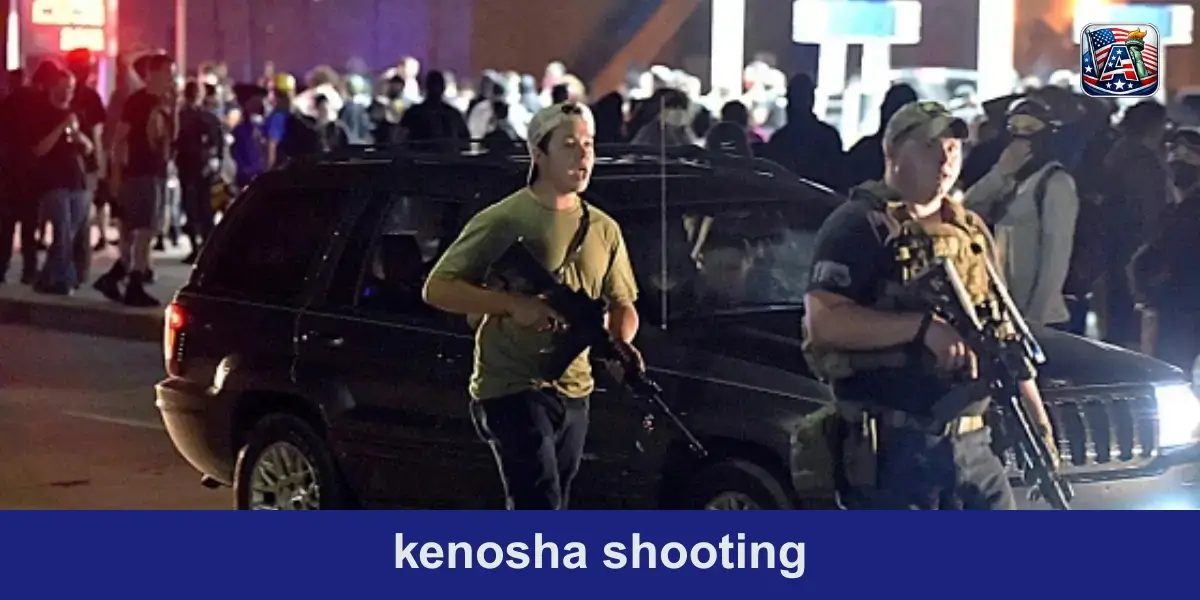
The Kenosha Shooting on August 25, 2020, remains one of the most discussed and controversial events in recent American history. It followed the police shooting of Jacob Blake, a Black man left paralyzed, which sparked widespread protests under the Black Lives Matter movement. During the unrest, Kyle Rittenhouse, a 17-year-old from Illinois, shot three individuals, killing two and injuring one, bringing national attention to issues of self-defense, vigilantism, and gun rights.
Background: Jacob Blake Shooting
On August 23, 2020, Jacob Blake was shot seven times in the back by a Kenosha police officer during an attempted arrest related to a domestic dispute. The shooting left Blake paralyzed from the waist down and ignited protests in Kenosha.
The event became a focal point in the ongoing Black Lives Matter movement, attracting national and international media coverage. Communities across the country debated police conduct, racial injustice, and the limits of lawful protest.
Key Individuals Involved
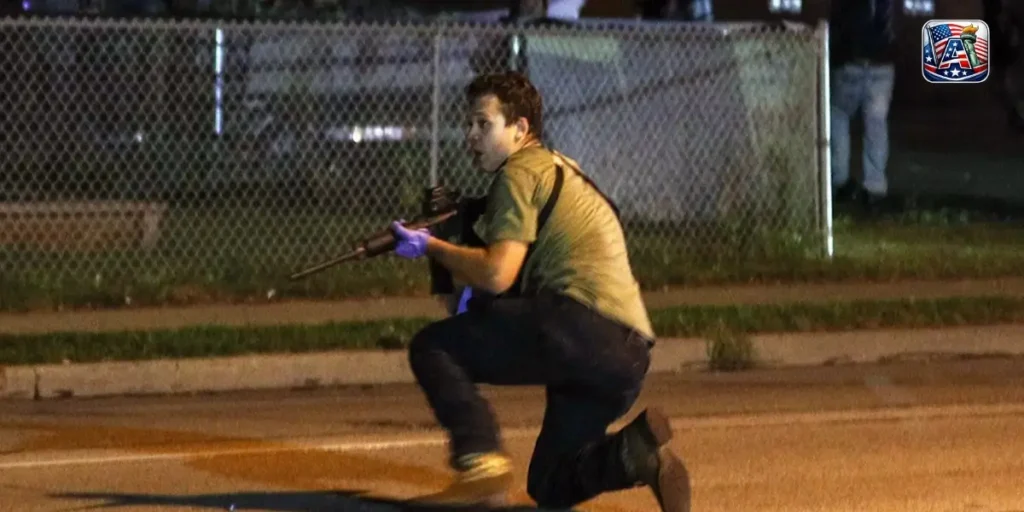
- Kyle Rittenhouse: A 17-year-old from Illinois who participated as an armed volunteer during the protests.
- Joseph Rosenbaum: Unarmed protester, 36 years old, killed during the confrontation.
- Anthony Huber: Attempted to disarm Rittenhouse, 26 years old, killed.
- Gaige Grosskreutz: Armed protester, 26 years old, injured.
- Dominick Black: Provided Rittenhouse with the AR-15-style rifle.
Timeline of Events (Bullet Points)
- August 23, 2020: Jacob Blake shot by police; protests begin.
- August 24, 2020: Protests escalate; property damage and arson reported; National Guard deployed.
- August 25, 2020:
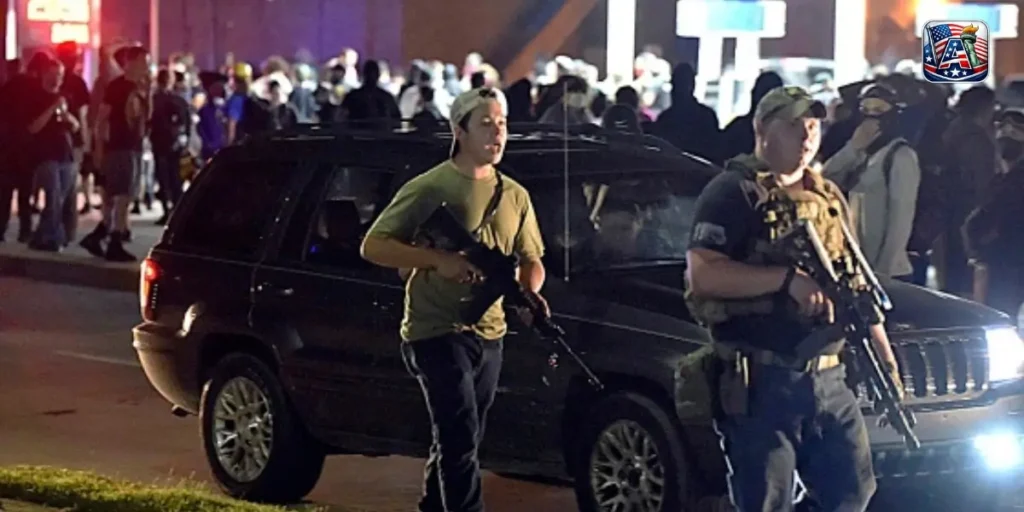
- Rittenhouse patrols streets with armed civilians.
- Joseph Rosenbaum approaches Rittenhouse → fatally shot.
- Anthony Huber attacks Rittenhouse with a skateboard → fatally shot.
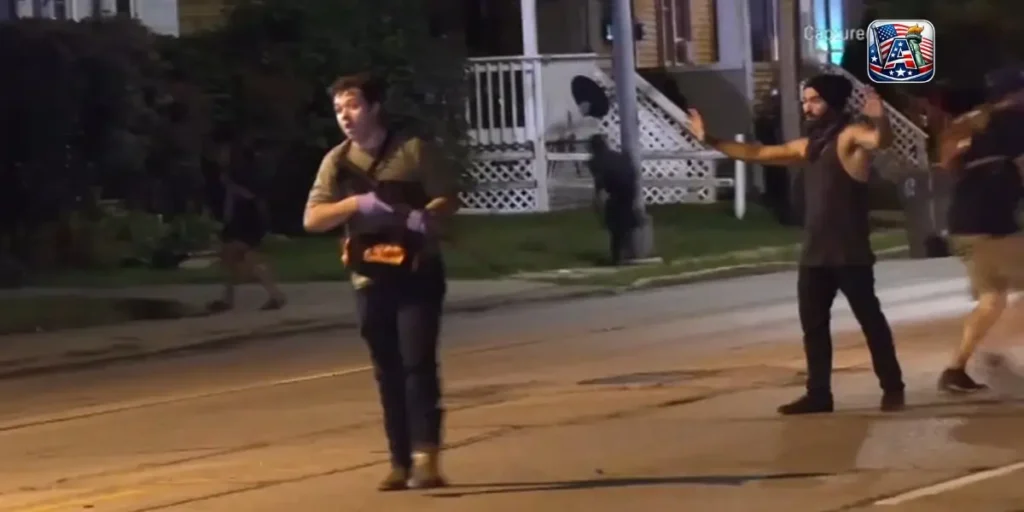
- Gaige Grosskreutz points handgun at Rittenhouse → wounded in arm.
- Rittenhouse walks toward police with hands raised and is later arrested.
Police Investigation
The Kenosha Police Department conducted a detailed investigation into the shooting. Investigators reviewed video footage from multiple sources, analyzed the bullet trajectories, and conducted interviews with eyewitnesses, protesters, and local residents.
Forensic analysis confirmed that the bullets matched the AR-15-style rifle used by Rittenhouse. Charges were filed including homicide, attempted homicide, unlawful possession of a firearm by a minor, and violation of curfew.
Arrests and Legal Proceedings
Rittenhouse returned to Illinois and was arrested voluntarily. Dominick Black, who supplied the rifle, faced legal scrutiny but later cooperated as a witness. The court approved the destruction of the rifle to prevent it from becoming a political symbol.
Rittenhouse faced multiple charges, including first-degree reckless homicide for Rosenbaum, first-degree intentional homicide for Huber, attempted first-degree intentional homicide for Grosskreutz, unlawful firearm possession, and curfew violations.
Court Case Overview
Pre-Trial
Rittenhouse pleaded not guilty. Pre-trial hearings excluded evidence of affiliations with groups such as the Proud Boys and determined what testimony and videos would be admissible.
Trial Proceedings
The trial took place from November 1–19, 2021, in Kenosha County Circuit Court. Over 30 witnesses testified, including police officers, military veterans, and civilians. Video evidence was extensively reviewed. The defense argued self-defense, while the prosecution argued that Rittenhouse acted recklessly and provoked violence.
Verdict
After deliberating for more than 25 hours, the jury acquitted Rittenhouse of all major charges. Charges related to firearm possession and curfew violations were dismissed by the judge.
National Reaction and Social Impact
The verdict polarized public opinion along political lines. Conservative leaders hailed the acquittal as a victory for self-defense, while liberal voices criticized the outcome as vigilante justice. Media coverage intensified national debates about gun rights, racial tensions, and the role of armed civilians during protests. The case has become a reference point for discussions about policing, civil unrest, and legal interpretations of self-defense in the United States.
Evidence and Rifle Details
Rittenhouse used a Smith & Wesson M&P 15 (AR-15-style) rifle, which was destroyed under court order to prevent it from becoming a political symbol. Forensic evidence and video recordings played a critical role in confirming the events of the night and in the court’s decision-making process.
Analysis and Lessons Learned
The Kenosha Shooting highlights several key lessons:
- Legal Implications: The case underscored the importance of understanding self-defense laws and firearm possession rules in the US.
- Community Safety: The escalation of civil unrest demonstrates the challenges communities face during protests.
- Media Influence: Social media and news coverage played a pivotal role in shaping public perception.
- Political Polarization: High-profile cases can deepen political divides and influence national conversations on safety and justice.
Conclusion
The Kenosha Shooting remains a pivotal moment in recent American history, illustrating the intersection of civil unrest, armed civilian involvement, and legal interpretation of self-defense laws. The case of Kyle Rittenhouse sparked nationwide debates on race, policing, gun rights, and the role of media in shaping public opinion. Through a detailed examination of the events, police investigation, arrests, trial proceedings, and societal impact, it is evident that such incidents leave lasting effects on both local communities and national discourse.
Understanding the Kenosha Shooting provides key lessons for legal systems, community safety, and media responsibility. By analyzing the full timeline, evidence, and verdict, this case serves as a reference point for future discussions on protest management, lawful self-defense, and social accountability. While opinions remain divided, the Kenosha Shooting underscores the importance of informed dialogue and careful examination of facts when evaluating complex and highly charged events.
FAQs
Who was Kyle Rittenhouse?
Kyle Rittenhouse was a 17-year-old from Antioch, Illinois, who traveled to Kenosha during the 2020 protests to provide first aid and assist in protecting local businesses. He became central to the shootings that occurred during the civil unrest.
What triggered the Kenosha protests?
The protests began after Jacob Blake, a Black man, was shot seven times in the back by a police officer on August 23, 2020. This incident sparked outrage and led to demonstrations, some of which turned violent.
Who were the victims in the Kenosha Shooting?
The victims were Joseph Rosenbaum (36) and Anthony Huber (26), who were killed, and Gaige Grosskreutz (26), who was injured but survived the incident.
What firearm did Kyle Rittenhouse use?
Rittenhouse used a Smith & Wesson M&P 15 (AR-15-style) rifle. After the trial, the rifle was destroyed by court order to prevent it from becoming a political symbol.
What charges did Kyle Rittenhouse face?
He faced multiple charges including first-degree reckless homicide, first-degree intentional homicide, attempted first-degree intentional homicide, unlawful possession of a firearm by a minor, and violation of curfew.
Why was the trial controversial?
The trial drew national attention because it involved debates over self-defense, gun rights, vigilantism, and racial tensions. Opinions were sharply divided along political lines.
What was the outcome of the trial?
Kyle Rittenhouse was acquitted of all major charges. Charges related to firearm possession by a minor and curfew violations were dismissed prior to the jury verdict.
What impact did the Kenosha Shooting have on society?
The shootings and trial intensified discussions on protests, armed civilians, police accountability, racial justice, and gun legislation in the United States. It highlighted challenges in public safety, legal interpretation, and media influence during civil unrest.