

Jeffrey Rupnow
The legal case surrounding the 2024 Abundant Life Christian School shooting in Madison, Wisconsin has entered a major new phase as Jeffrey Rupnow, the father of the teenage shooter, has been ordered to stand trial on charges related to allegedly providing access to firearms used in the deadly attack.
The case has gained national attention not only because of the tragedy itself, but also because it raises complex legal questions about parental responsibility, firearm access, and the extent to which a parent can be held criminally liable for a child’s violent actions. As pre-trial motions continue into 2025 and early 2026, the case is becoming a landmark example in ongoing U.S. debates over gun laws and accountability.
The Abundant Life Christian School Shooting
On December 16, 2024, a mass shooting occurred at Abundant Life Christian School in Madison, Wisconsin, a private K–12 institution serving approximately 390 students. According to investigators, 15-year-old Natalie Rupnow opened fire inside a classroom during school hours.
The attack resulted in the deaths of two individuals: teacher Erin Michelle West and student Rubi Vergara, aged 14. Six additional students were injured before the shooter died from a self-inflicted gunshot wound. Law enforcement responded within minutes of the emergency call, securing the building and beginning an extensive investigation.

Weapons and Evidence Recovered
Authorities recovered multiple firearms and ammunition from the scene, including:
- A 9 mm Glock handgun
- A .22-caliber Sig Sauer pistol
- Loaded magazines for both weapons
- Additional ammunition found in the shooter’s backpack
Investigators confirmed that both firearms were legally purchased and registered to Jeffrey Rupnow.
The presence of multiple weapons and preloaded magazines indicated prior preparation, prompting investigators to examine how the shooter gained access.
Investigation and Key Findings
The investigation conducted by Madison police and state authorities focused heavily on the shooter’s home environment, digital activity, and access to firearms.
Key findings included:
- The presence of a gun safe at the Rupnow residence
- Evidence suggesting the shooter knew or accessed the safe combination
- One firearm allegedly removed from the safe the day before the attack
- Digital devices showing research and writings about school shootings
- A six-page document titled “War Against Humanity”
The document reportedly contained statements expressing anger toward society and admiration for previous school shooters, raising concerns about motive and intent.
Charges Against Jeffrey Rupnow
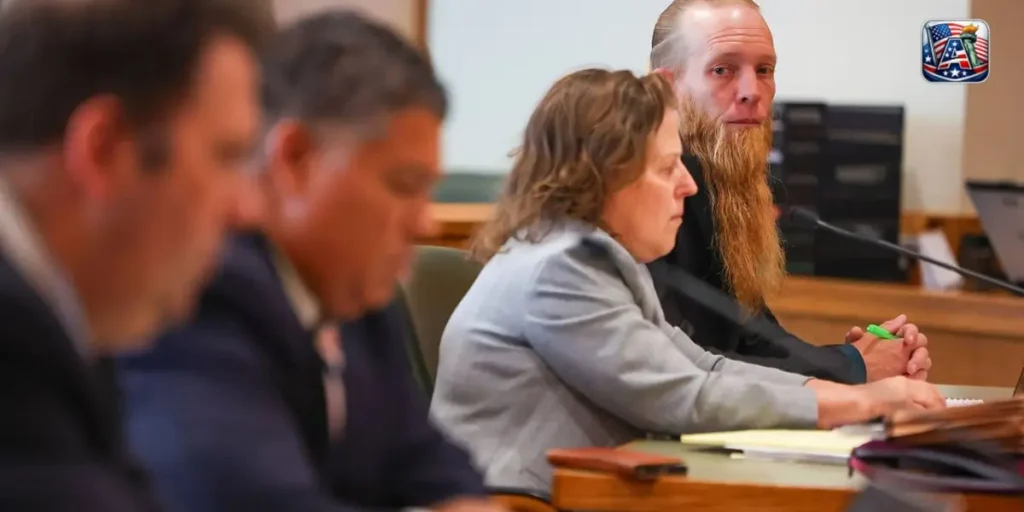
In May 2025, Jeffrey Rupnow was formally arrested and charged in Dane County Circuit Court.
He faces the following charges:
- Two counts of intentionally giving a dangerous weapon to a minor
- One count of contributing to the delinquency of a minor
If convicted, he could face up to 18 years in prison.
Prosecutors argue that Rupnow’s actions directly enabled access to firearms, while the defense maintains that he did not knowingly contribute to the attack.
Prosecution Argument
The prosecution’s case centers on the claim that Jeffrey Rupnow failed to secure firearms properly and allowed access that made the attack possible.
Key arguments include:
- The gun safe combination may have been accessible to the shooter
- A firearm was allegedly removed shortly before the attack
- Warning signs in the shooter’s behavior were overlooked
- Written evidence suggests the shooter obtained weapons through manipulation and access within the home
Prosecutors argue that these factors collectively demonstrate criminal negligence.
Defense Argument
The defense maintains that Jeffrey Rupnow acted as a responsible parent and had no knowledge that his daughter posed a danger to others.
Key defense points include:
- The shooter had no confirmed violent history before the incident
- She had participated in firearm safety education
- Guns were kept in a locked safe
- Rupnow was not present during the attack
- The situation was not foreseeable based on available information
Defense attorneys also argue that the prosecution is attempting to extend criminal liability beyond reasonable legal boundaries for parents.
Court Ruling and Trial Decision
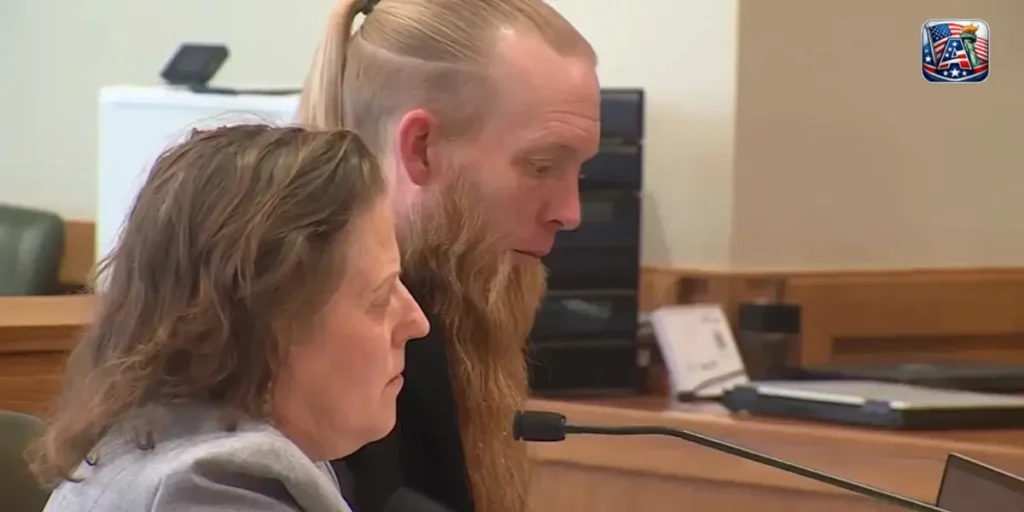
In July 2025, Court Commissioner John Rome ruled that there was sufficient evidence for the case to proceed to trial.
The ruling focused on whether:
- Providing access to firearms constitutes criminal negligence
- The safe code and firearm handling created foreseeable risk
- The father’s actions materially contributed to the crime
The defense has since filed motions seeking dismissal, arguing that the charges are legally insufficient and lack evidence of intent.
However, legal experts suggest that dismissal is unlikely without appellate review.
Latest Legal Developments and Pre-Trial Motions
As of early 2026, the case remains in the pre-trial phase, with both sides preparing for extended legal arguments.
Recent developments include:
- A motion to dismiss filed by the defense, arguing defective criminal complaint
- Ongoing disputes over admissibility of evidence related to family statements
- Consideration of hearsay rules following a key witness’s death
- Potential appeals depending on pre-trial rulings
Legal analysts note that procedural motions could significantly delay the trial.
The Impact of the Mother’s Death
A major complication in the case arose following the death of the shooter’s mother, Mellissa Rupnow, in 2025.
Her statements to law enforcement appear multiple times in the criminal complaint and include observations about family dynamics and the shooter’s mental health.
However, because she is no longer available to testify, her statements may be classified as hearsay and could be excluded from evidence unless the court allows exceptions. This development may significantly impact both the prosecution and defense strategies.
Mental Health and Behavioral Evidence
Court documents indicate that the shooter had a documented history of mental health concerns, including emotional distress and prior self-harm indicators between 2021 and 2024.
Investigators also reviewed writings and online activity that suggested:
- Social isolation
- Fascination with prior mass shootings
- Emotional instability
- Increasing aggression and resentment
However, there was no confirmed public record of violent threats prior to the attack.
Broader Legal and National Implications
The case is part of a growing trend in the United States involving the prosecution of parents in school shooting cases.
Similar cases in states such as Michigan and Georgia have resulted in charges against parents for:
- Improper firearm storage
- Negligent access to weapons
- Failure to prevent foreseeable harm
Legal experts believe this case could help define:
- The legal threshold for parental liability
- The meaning of “reasonable foreseeability” in gun access cases
- Standards for firearm storage in households with minors
School Safety and Gun Access Debate
The shooting has reignited national discussions about:
- Gun storage laws in private homes
- Mental health monitoring for minors
- School security measures in private institutions
- Parental responsibility in preventing access to weapons
Experts emphasize that the case may influence future legislation regarding firearm access and domestic safety requirements.
What Happens Next
The case will proceed through further pre-trial hearings, with trial proceedings expected to address:
- Whether access to firearms was knowingly provided
- Whether the attack was reasonably foreseeable
- Whether parental negligence meets criminal thresholds
Both prosecution and defense are expected to present extensive evidence, including forensic, digital, and testimonial records.
The final outcome could establish an important legal precedent in the United States.
Conclusion
The Jeffrey Rupnow case represents one of the most complex legal cases emerging from a school shooting incident in recent years. It extends beyond the tragedy itself and raises significant questions about parental responsibility, firearm access, and criminal liability.
As the case moves toward trial, it continues to attract national attention due to its potential to reshape how courts interpret negligence in cases involving minors and firearms.
FAQs
What is the Abundant Life Christian School shooting case about?
The case involves a deadly school shooting in Madison, Wisconsin in December 2024, where a 15-year-old opened fire at Abundant Life Christian School, killing two people and injuring several others before dying by suicide. The legal case now focuses on her father’s alleged role in providing access to firearms.
Who is Jeffrey Rupnow?
Jeffrey Rupnow is the father of the shooter. He is currently facing criminal charges for allegedly allowing his daughter access to firearms that were used in the school shooting. Prosecutors argue that his actions contributed to the tragedy.
What charges is Jeffrey Rupnow facing?
He is charged with:
- Two counts of intentionally giving a dangerous weapon to a minor
- One count of contributing to the delinquency of a minor
If convicted, he could face up to 18 years in prison.
How did the shooter access the weapons?
Investigators allege that the shooter accessed firearms stored at home, including knowledge or access to a gun safe combination. One firearm was also reportedly taken out shortly before the attack for cleaning purposes.
What evidence is being used in the case?
Key evidence includes:
- Firearms recovered at the scene
- Ammunition and magazines found in the shooter’s belongings
- Digital devices and writings from the shooter
- Statements from family members and police interviews
- Gun safe access information
What is the defense argument in this case?
The defense argues that Jeffrey Rupnow did not knowingly allow access to weapons for criminal use, had no reason to believe his daughter was dangerous, and followed normal firearm safety practices including use of a gun safe.
Why is the mother’s death important in this case?
The shooter’s mother, Mellissa Rupnow, died by apparent suicide in 2025. Her statements to police may be considered hearsay and could be excluded from evidence, potentially affecting both sides’ arguments in court.
What impact could this case have in the United States?
Legal experts say the case could set an important precedent for parental responsibility in school shootings, especially regarding firearm storage laws, negligence standards, and how courts handle cases involving minors using legally owned guns.