
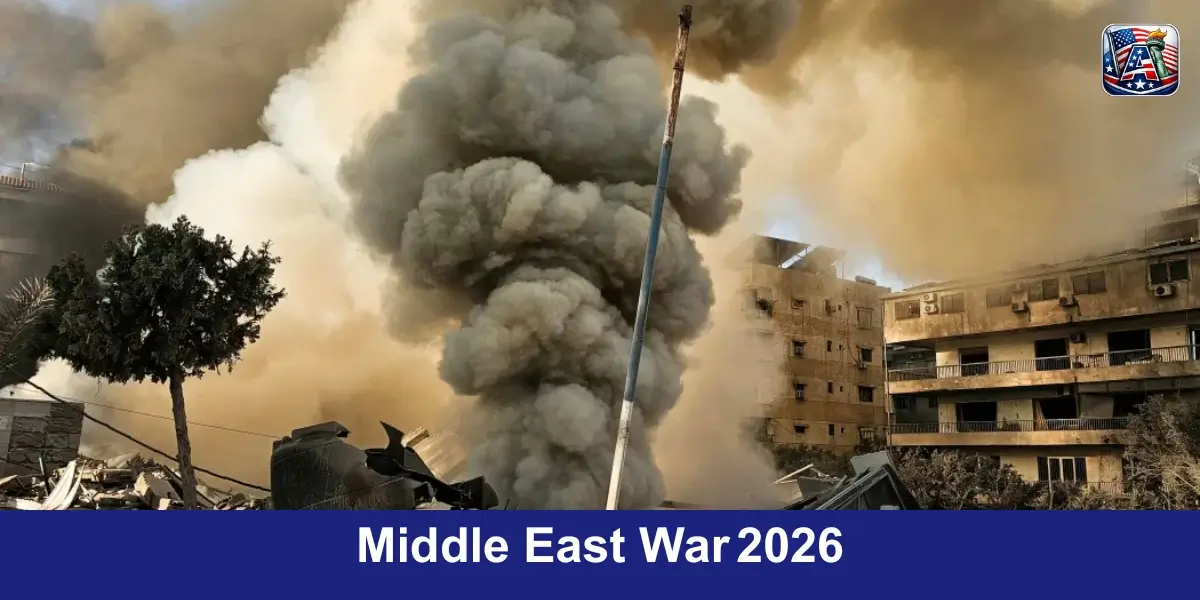
Middle East War 2026
March 2026 — Washington / Tehran / Jerusalem / Gulf States — The Middle East has entered one of the most intense military crises in decades as the United States and Israel have launched coordinated strikes against Iran, prompting widespread retaliation, political divisions at home, and global concern over stability in the region. The conflict, now in its fourth day, has drawn in multiple countries, disrupted energy markets, stirred domestic protests in the U.S., and reshaped diplomatic fault lines worldwide.
President Donald Trump has repeatedly defended the campaign as necessary to dismantle Iran’s missile capabilities and constrain its nuclear ambitions, even as casualties rise and the possibility of U.S. ground involvement remains on the table. Allies and adversaries alike are grappling with the response, as the potential for further escalation looms large.
Operation Epic Fury: U.S. and Israel Strike Iran
At the heart of the crisis is what has been described by U.S. officials as a major military operation against Iranian military and strategic assets. The offensive — involving air and missile strikes — began with attacks on ballistic missile sites, naval facilities and other infrastructure in Iran. President Trump has said the operation is expected to continue for “four to five weeks” but could extend “far longer,” emphasizing that the goal is to neutralize threats rather than engage in an extended occupation or regime change.
Trump has stated publicly that U.S. and allied forces are targeting Iran’s missile capacity, navy and other strategic capabilities. While describing the campaign’s duration in terms of weeks, he also acknowledged that operations could extend depending on developments on the ground.
Trump’s Strategic Messaging and Goals
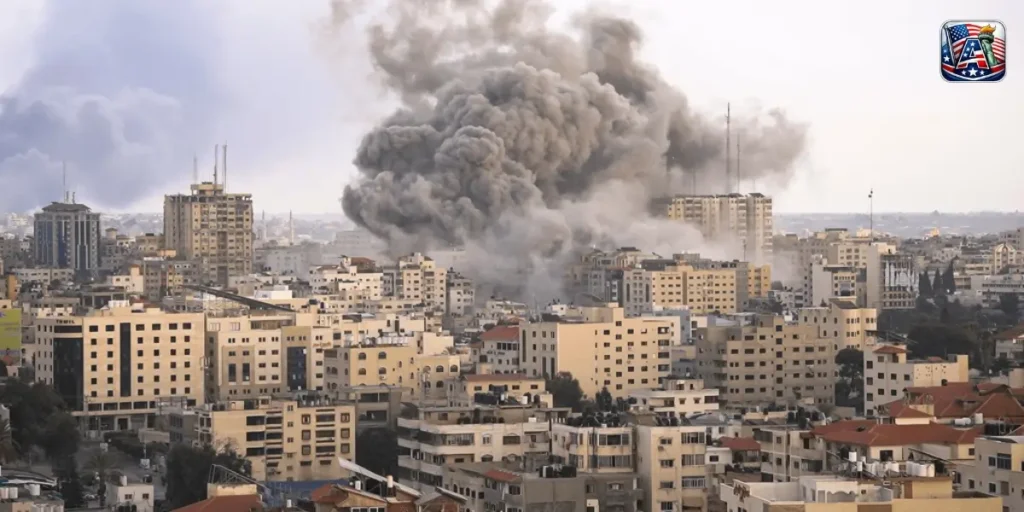
President Trump, in public remarks, has outlined several objectives for the military campaign. These include dismantling Iran’s ability to produce long‑range missiles, degrading its naval presence in the Gulf, halting advances toward potential nuclear weapons capability, and reducing Tehran’s support for militant groups across the region.
Trump told the press that the conflict would take time given Iran’s size and capabilities, framing it as a carefully calibrated effort that aims for decisive results without open‑ended occupation.In addition to outlining objectives, Trump issued a stark warning to Tehran before retaliatory strikes escalated, threatening a response “with a force that has never been seen before” should Iran retaliate against U.S. actions.
In multiple interviews, he has refused to rule out the future deployment of U.S. ground troops if the situation deteriorates or if American forces face sustained threats.
Military Operations and Capabilities
Although the details of specific platforms and strike packages remain classified, reports indicate that the U.S. has utilized a combination of aerial assets — including precision bombers, fighter jets, and cruise missiles — in coordination with Israeli forces to strike key Iranian targets. Experts on conflict dynamics cite an extensive U.S. military buildup in the region earlier in 2026, centered on enhanced air, naval, and missile defense assets positioned to support such a campaign.
This buildup, described as one of the largest U.S. deployments to the Middle East in recent years, was initially justified by Washington as deterrence against rising threats tied to Iran’s missile program and regional actions.
Iran’s Response and Regional Retaliation
Missile, Drone and Proxy Actions
In the wake of U.S. and Israeli strikes, Iran has responded with ballistic missiles, drones and attacks through allied militia groups across the region. Countries across the Gulf — including Bahrain, Kuwait, Qatar, the United Arab Emirates and others — have reported intercepting missiles or drones attributed to Iranian forces. Shelling and rocket fire tied to Iranian proxies have also been reported in areas such as the Kurdistan Region in Iraq, where U.S. bases operate.
Iranian attacks and retaliatory measures have widened the conflict’s footprint beyond Iran’s borders, directly affecting allied states that host U.S. forces or strategic infrastructure.
Ship Traffic and the Strait of Hormuz
Another critical element of Iran’s retaliation has been its warnings and restrictions on maritime traffic through the Strait of Hormuz, a chokepoint for global energy supplies. In the current crisis, shipping through the strait has nearly halted due to security concerns, leading to disruptions in tanker movements and sparking a separate logistical and economic crisis referred to as the 2026 Strait of Hormuz crisis.
Domestic Impact in the United States
Casualties and Military Risk
As the conflict has unfolded, rising casualties among American service members have underscored the human cost of the campaign. U.S. officials have acknowledged that service members have been killed and wounded in operations connected to the broader conflict, a development that has intensified debate within Washington over the risk of expanded U.S. involvement.
Defense Secretary Pete Hegseth has stated outright that the conflict will not become “another endless war,” even as he warned that additional casualties are likely as operations continue. The Pentagon has described its aims as surgical and focused on disabling specific capabilities rather than pursuing expansive ground engagements.
Political Debate and Public Opinion
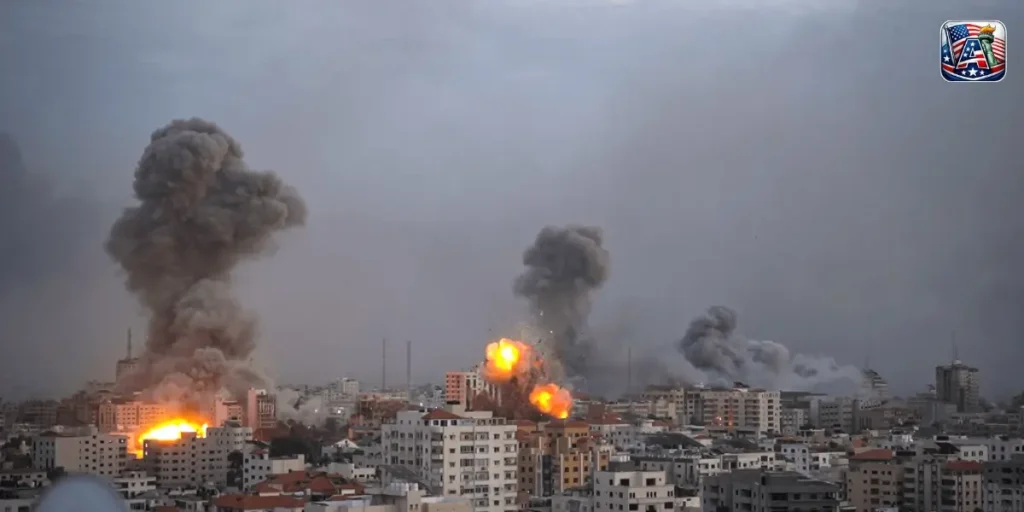
President Trump’s decision to authorize strikes on Iran has ignited political debate across the United States. On Capitol Hill, lawmakers are grappling with questions about executive authority, Congressional oversight and war powers. Many Democrats argue that the administration should have secured formal authorization from Congress before ordering strikes, especially given the risk of broader conflict.
Conversely, many Republicans have supported Trump’s assertive posture, framing it as necessary to check Iran’s long‑standing threats to U.S. allies and interests.Public opinion, as revealed in recent polling, shows a divided American populace. A Reuters/Ipsos poll found that only about one in four Americans currently approve of U.S. strikes on Iran, while many others express concern over the scope and direction of the conflict.
Read more: Full coverage of the Middle East War 2026 and its global impact.
Regional and Global Responses
Gulf States and NATO Partners
Across the Gulf, U.S. partners have navigated a delicate balance between supporting shared security interests and coping with direct fallout from Iranian retaliation. Missile and drone threats have challenged civil defense systems in states such as Bahrain, Qatar, Kuwait and the UAE, prompting heightened alert levels and evacuations in some areas.
European nations have also voiced their concern over the escalation. Leaders in the European Union have expressed alarm at the expansion of hostilities, urging de‑escalation and calling for immediate diplomatic engagement to prevent broader regional destabilization.
China, a major global power, issued a strong condemnation of U.S. strikes on Iran, accusing Washington of “brazen aggression” and urging dialogue and negotiation instead of further military escalation. China’s statement reflects deep unease among several nations about the prospect of a prolonged conflict.
Lebanon, Hezbollah and Proxy Influence
In Lebanon, the Iran‑aligned militant group Hezbollah has stepped up rocket attacks against Israeli positions, contributing to a widening geographical scope of hostilities. Israel has retaliated with strikes aimed at suppressing these proxy operations. Analysts warn that expanding proxy engagements increase the complexity of the battlefield and raise the risk of a wider regional war.
Humanitarian Consequences and Civilian Impact
The human cost of this conflict is visible across several fronts. Civilian populations in Iran have faced upheaval from strikes targeting military installations, infrastructure and government facilities. In countries affected by missile and drone fire, civilian casualties and disruptions to daily life have been reported, including injuries and damage to residential areas.
Displacement and evacuation of citizens from high‑risk zones have added to the humanitarian burden. Humanitarian organizations continue to warn that if hostilities persist, the need for emergency medical aid, shelter and mental health resources will escalate significantly.
Economic Shockwaves: Energy Markets and Global Trade
Oil Prices and Market Volatility
One of the earliest and most pronounced global effects of the conflict has been on energy markets. With traffic effectively halted through the Strait of Hormuz and the risk of supply disruption looming large, crude oil benchmarks like Brent and West Texas Intermediate have surged sharply. Analysts warn that prolonged instability could propel prices into triple digits, fueling inflationary pressures worldwide.
Air Travel and Transportation Disruptions
Commercial airlines have canceled flights across the region as airspace closures persist and risk assessments deteriorate. Airports in key hubs have suspended operations, affecting thousands of travelers and leading to a cascading impact on global travel.
Shipping companies have rerouted tanker routes around the Cape of Good Hope to avoid the Gulf’s security risks, adding cost and time to deliveries and straining supply chains.
Cyber Dimensions and Information Warfare
Beyond conventional military actions, cyber operations have become a prominent front in the conflict. Security monitoring groups have reported increased scanning activity, attempts to disrupt communications and potential targeting of critical systems. While no confirmed large‑scale cyberattack on essential infrastructure has been publicly disclosed, analysts emphasize that cyber operations could play a decisive role in shaping battlefield communications and resilience.
Potential Future Scenarios
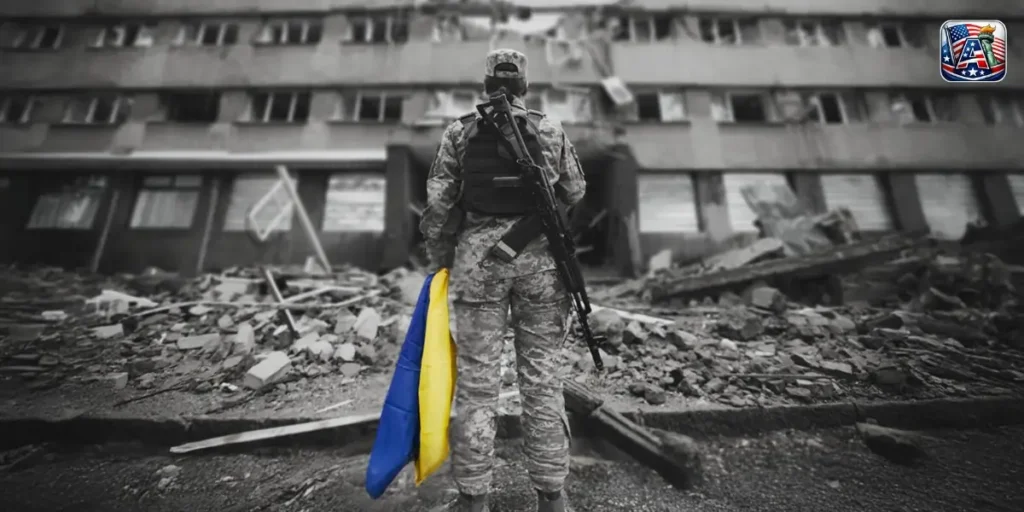
As of early March 2026, military and diplomatic leaders are weighing several possible paths forward:
Scenario 1: Sustained High‑Intensity Tension
Hostilities continue in a pattern of airstrikes, missile exchanges and proxy engagements without decisive resolution, keeping the region at high alert for weeks or months.
Scenario 2: Localized De‑escalation
Intensified diplomacy, backed by regional mediators and international pressure, leads to temporary cease‑fires and limited disengagement, mitigating the risk of broader war.
Scenario 3: Wider Regional War
A miscalculation or escalation by regional allies or proxies could draw more states into direct conflict, potentially involving Saudi Arabia, Turkey or other key actors.
Scenario 4: Diplomatic Resolution
Under intense economic and humanitarian pressure, parties could be driven toward negotiations, potentially involving phased arms control or agreements limiting missile development and proxy activities.
Whichever path unfolds, the trajectory of this conflict will have lasting implications for Middle East security, U.S. foreign policy and global economic stability.
Conclusion: A Defining Moment for Global Security
The Middle East War 2026 stands as a pivotal moment in modern geopolitics. What began with targeted strikes has transformed into a multi‑theater confrontation involving regional powers, global actors and shifting alliances. As President Trump continues to define the U.S. role and as Iran counters with its own strategies, the world watches a crisis with both immediate human costs and far‑reaching strategic consequences.
While the conflict’s ultimate direction remains uncertain, one reality is clear: its influence will be felt not just in the Middle East, but in capitals, markets and communities around the globe.
FAQs
Why is there conflict between the US and Iran?
The conflict between the United States and Iran stems from decades of geopolitical tension over Iran’s nuclear ambitions, ballistic missile development, support for armed proxy groups across the Middle East, and opposing regional interests. Relations have been strained since the 1979 Iranian Revolution, and disagreements over the 2015 nuclear deal, U.S. withdrawal from that deal, and subsequent sanctions have fueled mistrust. In early 2026, tensions escalated sharply when the U.S. and Israel launched military strikes against Iranian military targets, triggering a broader conflict across the region.
Have any US soldiers been killed in the Iran conflict?
Yes. Multiple reports indicate that U.S. service members have been killed during military operations related to the Iran conflict. According to U.S. military announcements, at least six U.S. soldiers were killed as of early March 2026 amid retaliatory attacks by Iranian forces and related hostilities in the region. The Defense Department has acknowledged additional wounded service members as operations continue.
Is Iran’s military stronger than the US military?
No. On paper and in capability, the U.S. military is significantly stronger than Iran’s. The United States consistently ranks as the world’s most powerful military, with superior technology, global power projection (including aircraft carriers and advanced air forces), and vastly larger defense spending and personnel. Iran has a substantial regional military and missile arsenal, but it is far smaller and less technologically advanced compared to the U.S. military.
Who started the Iran war in 2026?
The 2026 conflict intensified when Israel and the United States launched coordinated military strikes on Iranian military and strategic targets in late February 2026, in an operation referred to by some reports as part of a joint effort against Iran’s missile, naval and nuclear infrastructure. Iran responded with its own missile and drone strikes across the region, drawing the two sides into broader hostilities.
Who is the No. 1 most powerful army in the world?
Based on global military rankings — including manpower, technology, logistical systems, strategic reach, and defense budget — the United States military is widely considered the most powerful in the world. This assessment reflects capabilities across land, air, naval, space and cyber domains.
Who has a better military, Israel or Iran?
In a direct comparison, Israel’s military is generally regarded as technologically superior, especially in air power, missile defense, electronic warfare and precision weaponry. Iran has a larger overall military force and a substantial missile and drone arsenal, but its equipment is generally older or less advanced than Israel’s Western‑supplied systems. Israel also benefits from strong U.S. military support and integration.
Who are Iran’s allies?
Iran’s key allies include militant or proxy groups such as Hezbollah in Lebanon, various Shiite militias in Iraq and Syria, and the Houthi movement in Yemen. Tehran also maintains strategic ties with Russia and China, particularly diplomatically and in certain economic sectors. These alliances provide Iran with influence across the region and some support in international forums.
Does Iran have nuclear weapons?
No. Iran does not currently possess nuclear weapons. It has pursued nuclear technology for decades, which has led to international disputes and accusations that its program could be diverted toward weaponization. Iran insists its nuclear activities are for peaceful energy purposes. Nuclear negotiations have occurred over the years, and the 2015 Joint Comprehensive Plan of Action (JCPOA) — from which the U.S. withdrew in 2018 — aimed to limit Iran’s nuclear capabilities in exchange for sanctions relief.