
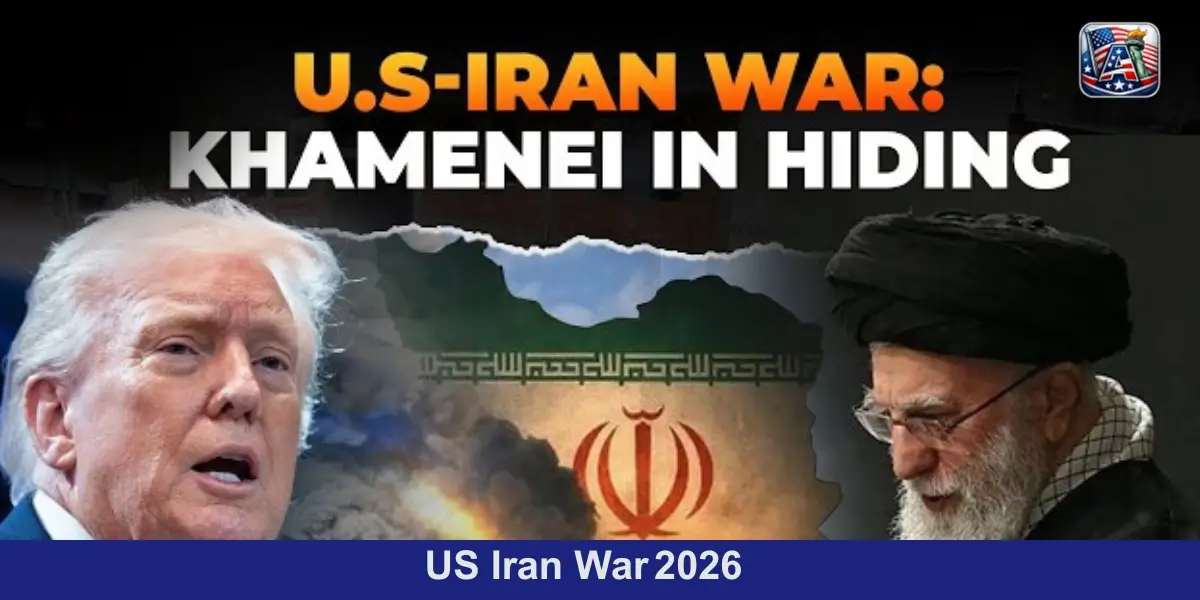
US Iran War 2026
The US Iran War 2026 has become one of the most closely watched geopolitical crises of recent years. What began as military escalation in early 2026 has now shifted into a fragile and uncertain phase dominated by ceasefire discussions, economic pressure, and global political tension. Although direct large-scale fighting has reduced, the situation remains unstable, and analysts warn that the conflict is far from resolved.
This ongoing crisis is not only shaping the Middle East but is also affecting global energy markets, international diplomacy, and everyday life for millions of people worldwide. Understanding the current status of the conflict requires looking at its origins, developments, and broader consequences.
How the US Iran War 2026 Began
The roots of the US Iran War 2026 lie in long-standing tensions between the United States and Iran over nuclear development, regional influence, and military presence in the Middle East. These tensions escalated sharply in early 2026 when coordinated military operations targeted key Iranian infrastructure and strategic sites.
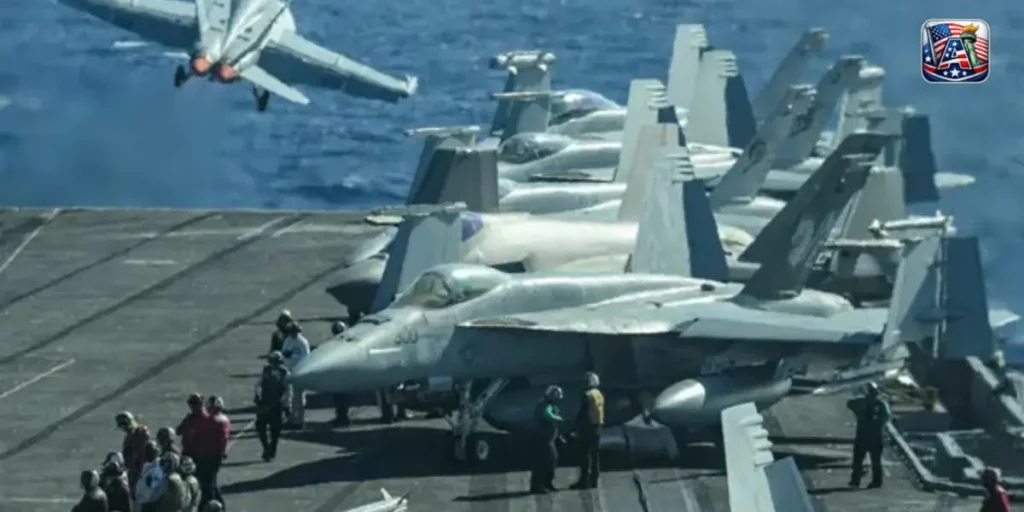
In response, Iran launched missile and drone attacks on military positions associated with US and allied forces across the region. This rapid escalation created a chain reaction that pulled multiple countries into heightened alert status and increased fears of a wider regional war. Although the conflict did not immediately expand into a full-scale global war, it significantly destabilized the region and disrupted political and economic stability.
Current Situation: Ceasefire and Ongoing Tensions
A ceasefire was introduced in April 2026 after weeks of intense diplomatic pressure from international mediators. This agreement temporarily reduced direct military confrontation between the United States and Iran. However, it did not resolve the underlying issues that caused the conflict.
At present, the situation can best be described as a controlled standoff rather than a true peace agreement. Both sides remain cautious, and military readiness continues despite diplomatic engagement.
The main challenges preventing long-term peace include unresolved disputes over nuclear policy, regional influence, and security guarantees. These issues continue to slow progress in negotiations and maintain a high level of uncertainty.
Peace Talks and Diplomatic Efforts
Diplomatic discussions are ongoing, with international mediators attempting to bridge the gap between the two sides. Iran has been working on revised proposals, while the United States continues to evaluate conditions for any potential agreement.
However, negotiations remain complex and slow. Both countries are under internal and external pressure, making compromise difficult.
Key factors influencing the peace process include nuclear restrictions, sanctions relief, military withdrawal conditions, and verification mechanisms for compliance. Until these issues are addressed, a long-term agreement remains uncertain.
Gas Prices and Global Energy Impact
One of the most immediate and visible effects of the US Iran War 2026 has been the sharp rise in global oil and gas prices. Energy markets reacted quickly to disruptions in supply chains and fears of instability in key shipping routes.
In the United States, fuel prices have increased significantly compared to pre-conflict levels. This rise has contributed to higher transportation costs, increased consumer prices, and broader inflationary pressure across multiple sectors.
Globally, oil markets remain volatile due to uncertainty surrounding the Strait of Hormuz, one of the world’s most important oil transit routes. Any disruption in this region has a direct impact on international energy supply and pricing.
Economic and Global Market Effects
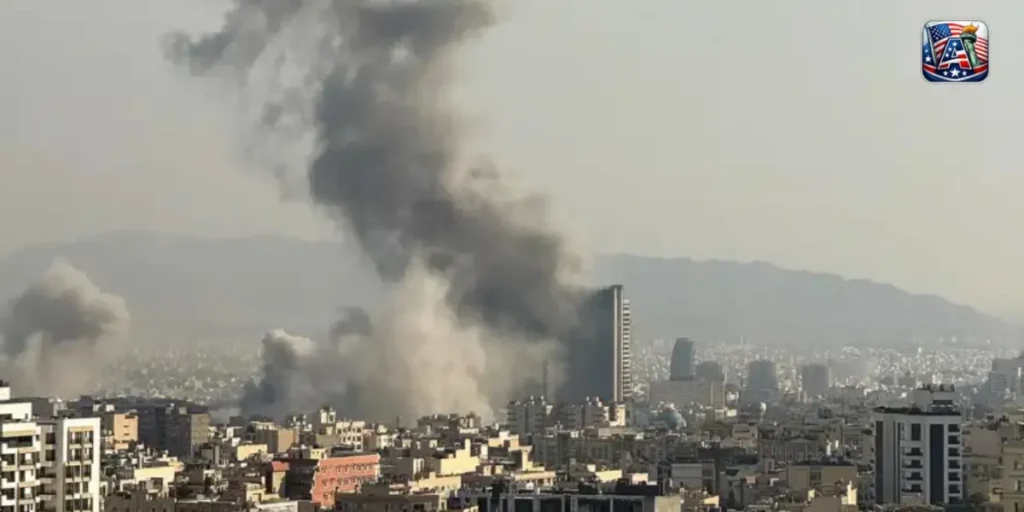
The conflict has extended its influence beyond energy markets into the broader global economy. Financial markets have experienced fluctuations due to uncertainty, while businesses face increased costs related to shipping and logistics.
Trade routes passing through the Middle East have become more expensive due to higher insurance costs and security concerns. This has added pressure to global supply chains already affected by previous economic disruptions.
Inflation concerns are also rising in multiple countries, as energy prices play a key role in determining the cost of goods and services worldwide.
Regional Impact in the Middle East
The Middle East remains the most directly affected region in the US Iran War 2026. While large-scale battles have decreased under the ceasefire, localized tensions continue in several areas.
Countries such as Lebanon, Iraq, and nearby Gulf states remain on high alert due to potential spillover effects. Military presence in the region has increased, and diplomatic efforts are ongoing to prevent further escalation.
The humanitarian situation also remains a concern, as instability has affected civilian life, trade, and regional mobility.
Political Situation in the United States
Inside the United States, the conflict has sparked political debate over military authority and foreign policy direction. Lawmakers have questioned the legal framework surrounding military actions, particularly regarding the need for congressional approval in prolonged conflicts.
The government maintains that the ceasefire changes the legal classification of ongoing operations, but this position continues to be debated. This internal disagreement highlights the complexity of managing international conflict alongside domestic political processes.
Key Developments in the Conflict
The following developments summarize the current state of the US Iran War 2026:
The ceasefire remains active but fragile, with no permanent peace agreement in place.
Economic pressure continues due to rising energy costs and disrupted trade routes.
Diplomatic negotiations are ongoing but have not yet produced a final resolution.
What Experts Expect Next
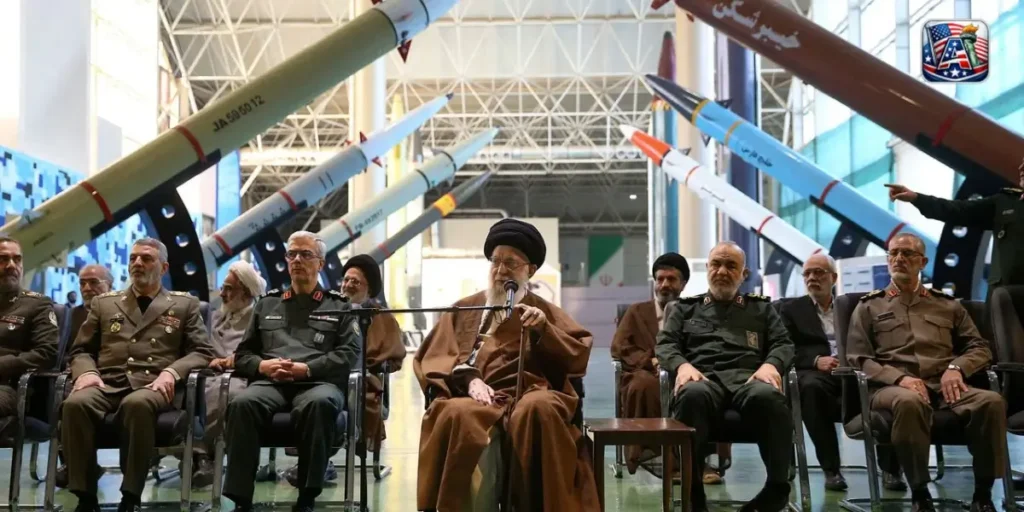
Experts analyzing the situation suggest three possible outcomes for the future of the conflict. The first is a successful peace agreement that stabilizes the region and restores economic confidence. The second is a prolonged period of tension without full resolution, where the ceasefire continues but underlying issues remain unresolved. The third and most concerning possibility is a breakdown in negotiations leading to renewed military escalation. At present, the second scenario appears to be the most likely, as neither side has fully committed to long-term compromise.
Impact on Ordinary People
The US Iran War 2026 is not only a political and military issue but also a humanitarian and economic concern affecting ordinary people across the world. In the United States, rising fuel prices and inflation are impacting household budgets. In the Middle East, instability continues to affect safety and economic activity. Globally, supply chain disruptions and market volatility are influencing prices and financial stability.
Although the conflict is geographically concentrated, its effects are widespread due to the interconnected nature of the modern global economy.
Future Outlook
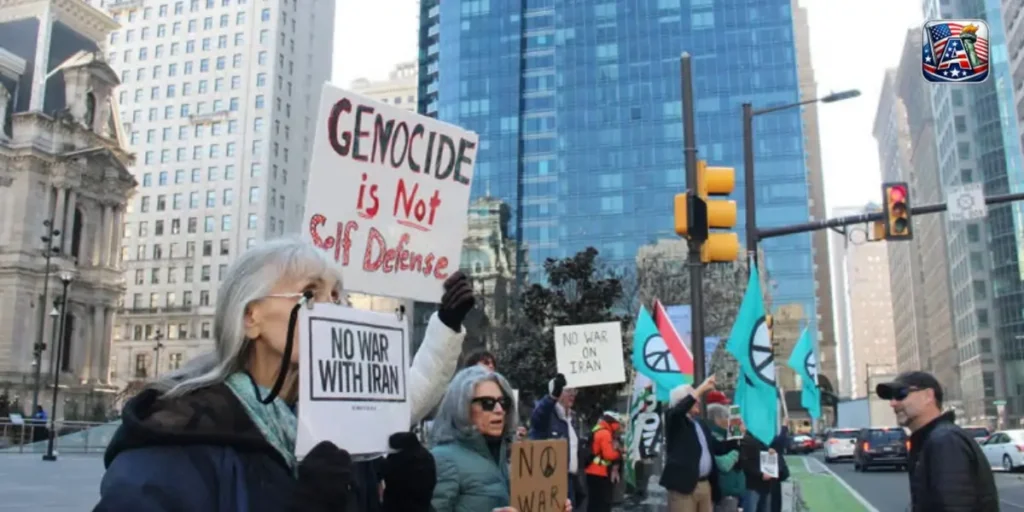
The future of the US Iran War 2026 depends largely on the success or failure of ongoing diplomatic negotiations. If both sides reach a compromise, there is potential for long-term stability in the region. However, if talks collapse, the risk of renewed conflict remains significant.
The coming weeks and months are expected to be critical in determining whether the situation moves toward peace or further escalation. International attention remains focused on diplomatic efforts as the world hopes to avoid another phase of open conflict.
Conclusion
The US Iran War 2026 represents a complex and evolving crisis with far-reaching consequences. While a ceasefire has temporarily reduced direct conflict, underlying tensions remain unresolved. The war has already impacted global energy markets, political stability, and economic conditions worldwide.
As negotiations continue, the world remains in a state of cautious observation. The outcome of this conflict will not only shape the future of US-Iran relations but also influence global stability for years to come.
FAQs on US Iran War 2026
What is the US Iran War 2026 about?
The US Iran War 2026 refers to the ongoing geopolitical conflict between the United States and Iran that escalated in early 2026. It involves military tensions, regional instability in the Middle East, and diplomatic efforts aimed at preventing a full-scale war.
Is the US Iran War 2026 still ongoing?
As of now, active large-scale fighting has decreased due to a temporary ceasefire. However, the situation is still unstable, and peace has not been officially finalized, meaning tensions remain high between both countries.
What caused the US Iran War 2026?
The conflict was triggered by long-standing tensions over Iran’s nuclear program, regional influence, and security concerns in the Middle East. These issues escalated into military action in early 2026, leading to a wider confrontation.
How is the US Iran War 2026 affecting global oil prices?
The war has significantly impacted global energy markets. Concerns over supply disruptions, especially around key shipping routes like the Strait of Hormuz, have led to rising oil and gas prices worldwide.
Are peace talks between the US and Iran happening?
Yes, diplomatic negotiations are ongoing with international mediators involved. However, progress is slow due to disagreements on key issues such as nuclear policies, sanctions, and regional security conditions.
What is the impact of the war on ordinary people?
People are facing rising fuel prices, higher living costs, and economic uncertainty. In affected regions, there are also security concerns and disruptions to daily life due to ongoing instability.
Could the US Iran War 2026 turn into a full-scale war?
Experts believe there is still a risk of escalation if peace talks fail. However, ongoing diplomatic efforts and the current ceasefire reduce the immediate likelihood of a full-scale global war.
When is the US Iran War 2026 expected to end?
There is currently no confirmed end date. The outcome depends entirely on peace negotiations between the two countries and whether they can reach a long-term agreement in the coming months.