
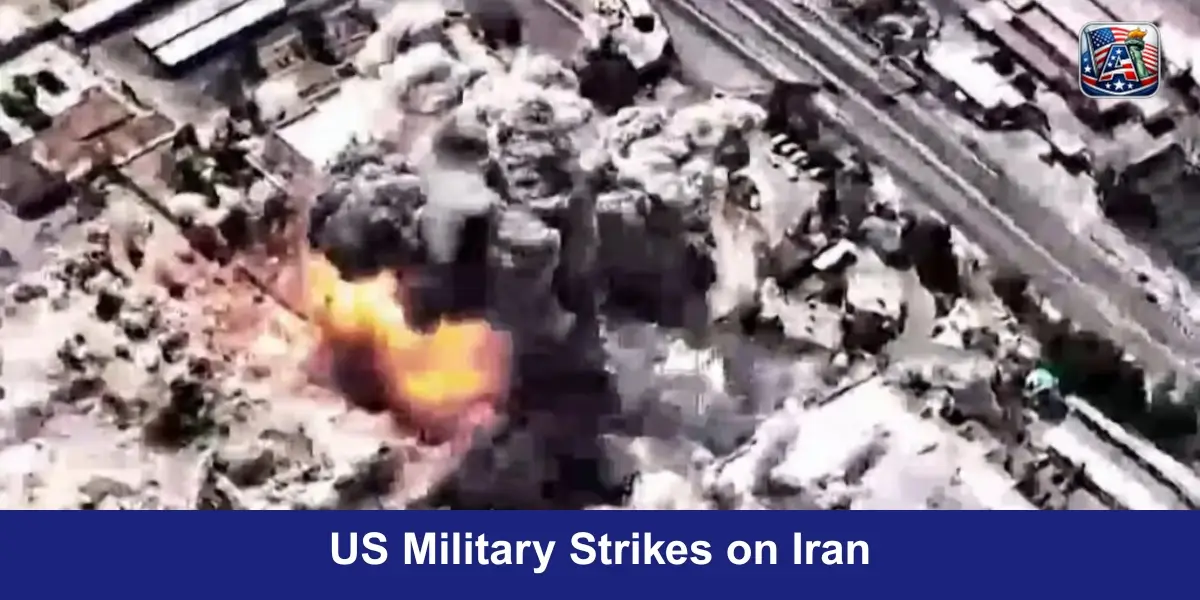
US Military Strikes on Iran
The US–Iran confrontation of 2025–2026 marked one of the most significant escalations in modern geopolitical history. The crisis began as a targeted military operation but quickly expanded into a multi-domain conflict involving nuclear facilities, cyber warfare, proxy militias, and global economic disruption.
Under the leadership of Donald Trump, the United States launched a direct strike campaign against Iran’s nuclear infrastructure. The operation, later known as Operation Midnight Hammer, was officially framed as a preventive action aimed at stopping Iran from achieving nuclear weapons capability. However, the aftermath triggered global debate over legality, effectiveness, and long-term consequences.
Operation Midnight Hammer: Full Strike Timeline and Execution Strategy
The core military operation took place on June 22, 2025, when US forces executed a coordinated strike on Iran’s most fortified nuclear facilities. The mission involved stealth bombers, naval missile systems, and advanced fighter escorts in one of the most complex air operations ever conducted. The strike targeted three primary nuclear sites: the Fordow Uranium Enrichment Plant, the Natanz Nuclear Facility, and the Isfahan Nuclear Technology Center.
The operation was executed using stealth penetration tactics designed to avoid early detection. US forces reportedly deployed diversionary aircraft movements in other regions to mislead Iranian defense systems. Once airspace clearance was achieved, stealth bombers entered Iranian territory and delivered bunker-busting payloads on deeply buried nuclear infrastructure.
The entire strike window lasted only minutes, but preparation and coordination spanned months of intelligence gathering, simulation modeling, and joint US-Israeli military planning.
Weapons Technology and Tactical Execution
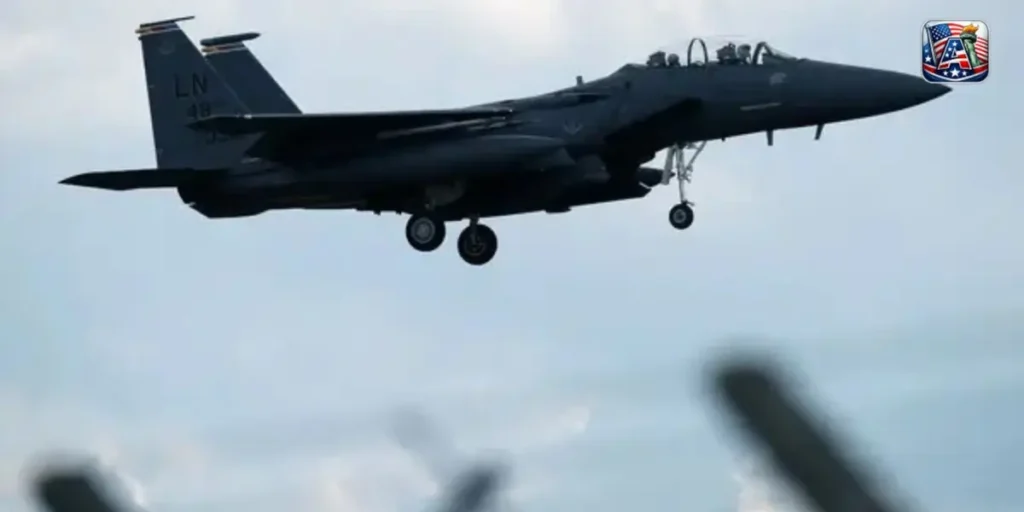
The operation relied on some of the most advanced military technology in existence. The primary strike platform was the B-2 Spirit, capable of penetrating heavily defended airspace undetected.
These bombers deployed GBU-57 Massive Ordnance Penetrators designed specifically for deeply buried targets. These weapons were chosen due to the extreme depth of facilities like Fordow, which sits beneath mountainous terrain reinforced with concrete layers.
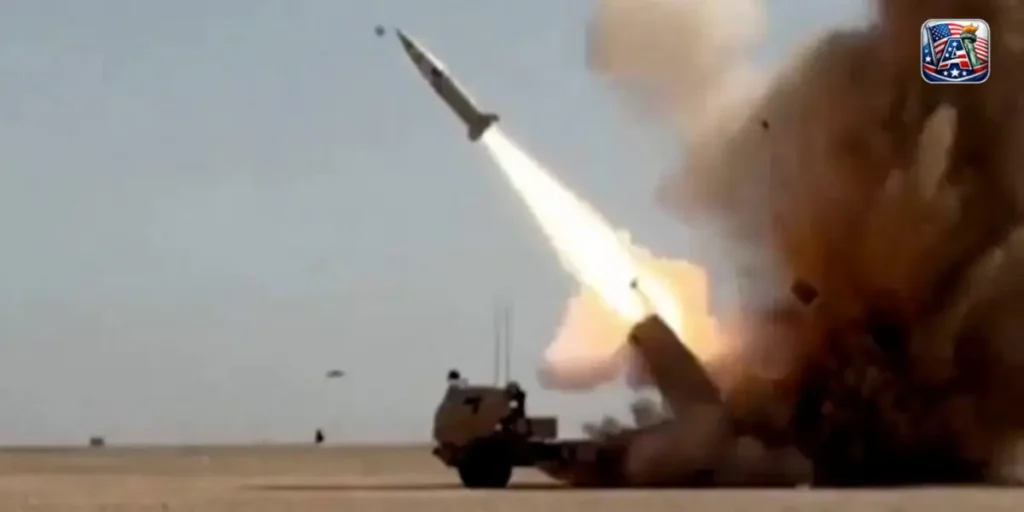
Supporting the operation were advanced fighter jets, including the F-22 Raptor and F-35 Lightning II, which reportedly entered Iranian airspace to suppress potential air defense responses. In parallel, submarine-launched Tomahawk cruise missiles struck additional nuclear infrastructure. Military analysts noted that the operation represented a rare integration of air, naval, and stealth warfare technologies in a single coordinated mission.
Intelligence Disputes: CIA, DIA, and Pentagon Conflicting Assessments
One of the most controversial aspects of the operation has been conflicting intelligence assessments regarding the actual damage inflicted on Iran’s nuclear program.
Initial statements from the White House under Donald Trump claimed complete destruction of Iran’s enrichment capability. However, subsequent leaked assessments from the Defense Intelligence Agency suggested a more limited impact, indicating that while surface structures were heavily damaged, underground centrifuge systems may have survived.
The Central Intelligence Agency later reported that Iran’s nuclear program was likely set back significantly but not eliminated. Independent analysts from the International Atomic Energy Agency confirmed severe damage but emphasized uncertainty regarding underground infrastructure and uranium stockpiles. This divergence created a major credibility gap between political messaging and intelligence analysis, raising questions about transparency and war-time reporting accuracy.
Iran’s Retaliation and Regional Escalation
Iran’s response to the strikes was swift and multi-layered. Instead of relying solely on conventional military retaliation, Iran activated a hybrid warfare strategy combining missile strikes, drone attacks, cyber operations, and proxy militia coordination.
Iranian forces targeted US military installations across the Gulf region, including missile strikes on bases in Qatar and Iraq. These attacks demonstrated Iran’s ability to project power beyond its borders despite conventional military disadvantages.
At the same time, Iran applied pressure on global shipping through the Strait of Hormuz, a critical maritime chokepoint responsible for a significant share of global oil exports. Temporary disruptions in shipping routes led to heightened global energy insecurity. Iran-aligned groups in Lebanon, Iraq, and Yemen also increased activit into a broader regional proxy war.
US Political and Legal Crisis: War Powers and Constitutional Debate
The strikes triggered immediate political controversy within the United States. Critics argued that the operation bypassed congressional authority, raising constitutional concerns under the War Powers framework.
Members of Congress from both parties questioned whether the president had the legal authority to initiate direct military action without formal approval. Several lawmakers described the strikes as a potential violation of constitutional limits on executive power.
Public opinion was deeply divided. Polling conducted in the aftermath showed that a significant portion of American citizens opposed further escalation, while others supported decisive action to prevent nuclear proliferation.
The debate highlighted long-standing tensions in US governance over the balance between executive military authority and legislative oversight.
Global Reaction: Division Among Major Powers
The international response to the strikes was highly fragmented. European governments called for immediate de-escalation and warned against a prolonged regional war. China condemned the strikes, describing them as destabilizing actions that violated international norms. Russia issued warnings about the risk of broader conflict and criticized US military escalation.
In contrast, Israel strongly supported the operation, viewing it as a necessary step to prevent Iran from acquiring nuclear weapons capability. Gulf states expressed mixed reactions, balancing security cooperation with concerns over regional instability. This divergence underscored a growing fragmentation in global geopolitical alignment.
Economic Shock: Oil Markets, Trade Routes, and Global Inflation Risk
The conflict had immediate and significant economic consequences. Oil markets reacted sharply due to fears of disruption in the Strait of Hormuz, which serves as a major artery for global energy transport.
Brent crude prices experienced volatility, while shipping companies temporarily rerouted vessels to avoid high-risk zones. Air travel in the region was also disrupted due to airspace restrictions and security concerns. Global supply chains faced delays, and economists warned of potential inflationary pressure if the conflict expanded further or prolonged.
Damage Assessment: Did the Strikes Destroy Iran’s Nuclear Program?
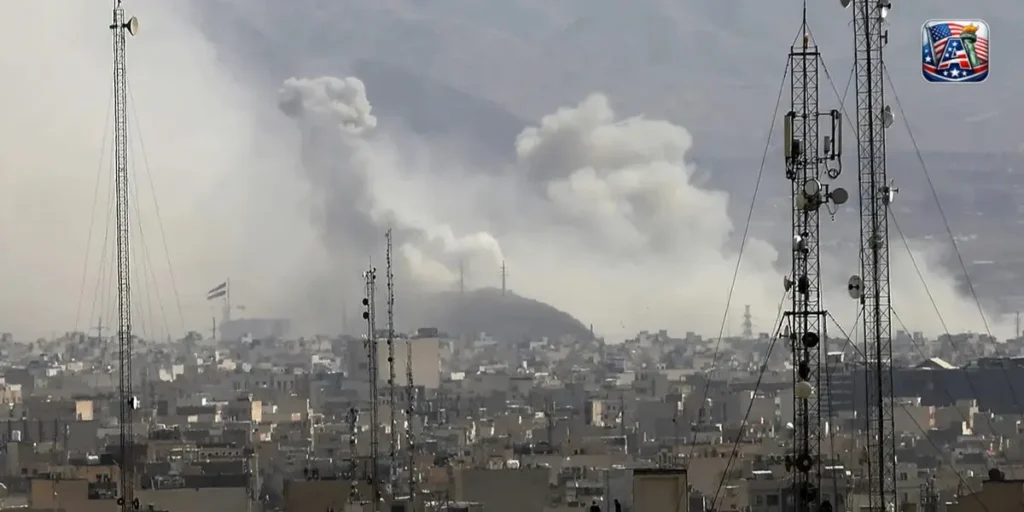
One of the most debated questions following Operation Midnight Hammer is whether Iran’s nuclear capabilities were truly destroyed. Political statements from the US administration claimed total elimination of nuclear infrastructure. However, intelligence reports suggested a more complex reality. While surface-level destruction was extensive, underground enrichment facilities may have survived in part.
The consensus among international observers, including the International Atomic Energy Agency, is that Iran’s program suffered a major setback but was not fully dismantled. This uncertainty has significant implications for future policy decisions and military planning.
Historical Context: How Decades of Tension Led to War
The roots of this conflict extend back decades. The modern US–Iran relationship was shaped significantly by the 1953 Iranian political upheaval and subsequent Cold War alliances.
Iran’s nuclear program evolved through multiple phases, including cooperation under civilian nuclear initiatives and later international restrictions. The 2015 nuclear agreement temporarily limited enrichment activities, but its collapse in 2018 led to renewed escalation. By the mid-2020s, tensions over uranium enrichment levels, regional proxy conflicts, and political distrust created a direct pathway to military confrontation.
Humanitarian and Civilian Impact
Beyond military and political consequences, the conflict has had serious humanitarian implications. Populations near targeted facilities experienced displacement risks, infrastructure disruption, and heightened security concerns.
Medical systems in affected regions faced increased pressure due to emergency preparedness requirements and potential contamination risks. International aid organizations warned that prolonged instability could create refugee flows across multiple borders.
Future Scenarios: What Comes Next
The trajectory of the conflict remains uncertain, but analysts generally identify several possible outcomes. These include prolonged low-intensity warfare through proxy groups, renewed diplomatic negotiations under international pressure, regional escalation involving additional state actors, or a strategic reset leading to new nuclear agreements.
Each scenario carries significant implications for global security, energy markets, and international diplomacy.
Conclusion: A Defining Moment in Modern Geopolitics
The US strikes on Iran represent more than a military operation—they mark a turning point in 21st-century international relations. While the operation demonstrated advanced military capability and strategic coordination, it also exposed deep divisions in intelligence interpretation, legal authority, and global diplomacy.
The long-term outcome remains uncertain, but the consequences are already reshaping global politics, energy stability, and security doctrine. Whether the operation ultimately prevents nuclear escalation or accelerates regional instability will define its historical legacy.
FAQs
What was Operation Midnight Hammer?
Operation Midnight Hammer was a US-led military operation in 2025–2026 targeting Iran’s nuclear facilities, including Fordow, Natanz, and Isfahan, using stealth bombers, bunker-buster bombs, and cruise missiles.
Why did the US carry out strikes on Iran?
The United States stated that the strikes were intended to prevent Iran from developing nuclear weapons and to reduce what it described as a growing regional security threat.
Which Iranian nuclear sites were targeted?
The main targets were the Fordow Uranium Enrichment Plant, Natanz Nuclear Facility, and Isfahan Nuclear Technology Center, which are key parts of Iran’s nuclear infrastructure.
Did the US completely destroy Iran’s nuclear program?
Reports are conflicting. US officials claimed severe or complete damage, while intelligence assessments suggested the program was only set back and not fully destroyed.
How did Iran respond to the US strikes?
Iran responded with missile and drone attacks on US military bases in the Middle East and increased pressure in the Strait of Hormuz, along with cyber and proxy operations.
Did the strikes cause a wider war?
The strikes significantly escalated tensions and triggered regional instability, but they did not immediately result in a full-scale global war. However, the risk of escalation remained high.
What was the international reaction to the strikes?
Global reactions were divided. Some allies supported the US action, while others, including China and Russia, criticized it and called for de-escalation and diplomacy.
Is there still a risk of further conflict between the US and Iran?
Yes, analysts believe tensions remain high due to unresolved nuclear concerns, regional proxy conflicts, and ongoing political mistrust between both countries.